Is the air in your home thick and sticky? Do you constantly battle musty odors, condensation on windows, or even the unwelcome sight of mold? These are tell-tale signs of excessive indoor humidity, a problem that affects comfort, health, and even the structural integrity of your home. While portable units offer temporary relief in small areas, a whole home dehumidifier provides a comprehensive, permanent solution, working seamlessly with your existing HVAC system to maintain optimal humidity levels throughout your entire living space. This guide, informed by over a decade of hands-on experience in home dehumidification, will equip you with everything you need to know to choose, install, and maintain the perfect whole home dehumidifier for your family’s needs.
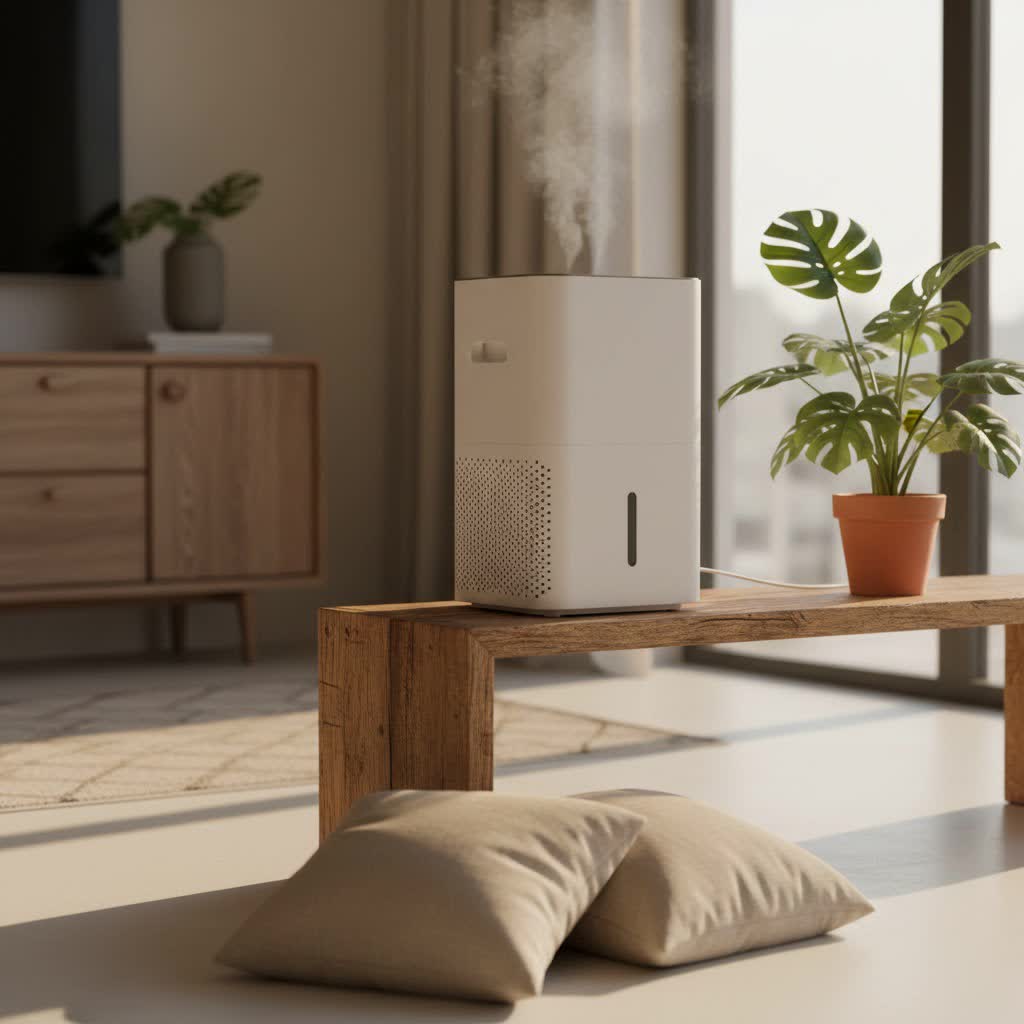
Understanding Whole Home Dehumidifiers: A Complete Solution for Dry Living Spaces
A whole home dehumidifier is a powerful appliance designed to remove excess moisture from the air circulating throughout your entire house. Unlike portable units that address humidity in a single room, these systems integrate directly with your home’s ductwork and HVAC system, treating all conditioned air before it’s distributed. This ensures consistent humidity control in every corner of your home, from the basement to the upstairs bedrooms.
The primary goal of a whole home dehumidifier is to keep indoor relative humidity (RH) within the ideal range of 30% to 50%. Maintaining these levels offers a multitude of benefits, including enhanced comfort, improved indoor air quality by inhibiting mold and dust mite growth, protection for your home’s structure and furnishings, and even potential energy savings by allowing your air conditioner to run more efficiently.
Types of Whole Home Dehumidifiers
When considering a whole home dehumidifier, the primary operating principles generally fall into two categories, though the application for whole-home systems heavily favors one:
Condensing Dehumidifiers (Refrigerant-Based)
- Principle of Operation: These are the most common type for residential whole-home applications. They work by drawing humid air over a set of cold refrigerant coils. As the air cools, moisture condenses out of it, much like water droplets form on a cold glass. The collected water is then drained away, and the now-drier, slightly warmed air is circulated back into your home.
- Pros: Highly effective for a wide range of temperatures and humidity levels, energy-efficient (especially ENERGY STAR certified models), and generally robust for continuous operation. They are well-suited for integration with existing HVAC systems.
- Cons: Less effective in very low-temperature environments (though residential units are typically installed in conditioned spaces), and the refrigerant components can be heavier and bulkier.
|
Our Picks for the Best Home Dehumidifier in 2026
As an Amazon Associate I earn from qualifying purchases.
|
||
| Num | Product | Action |
|---|---|---|
| 1 | Dehumidifier,TABYIK 35 OZ Small Dehumidifiers for Room for Home, Quiet with Auto Shut Off, Dehumidifiers for Bedroom (280 sq. ft), Bathroom, RV, Closet |

|
| 2 | 2500 Sq.Ft Dehumidifiers for Home with Drain Hose Max 34 Pints, VEAGASO Dehumidifier for Basement, Large Room, Bathroom, Bedroom, Three Modes, Intelligent Humidity Control, Dry Clothes, 24HR Timer |
|
| 3 | 5000 Sq. Ft Dehumidifiers for Home and Basement, Max 95 Pint/Day Dehumidifier with Drain Hose, Compressor Dehumidifier with Humidity Control, 24H Timer & Child Lock, for Bedroom, Large Rooms |
|
| 4 | hOmeLabs Dehumidifier for Home, Office, Basements with Powerful Moisture Removal, Humidity Control, Auto Shut-off, Quiet Operation - 7,000 Sq Ft Wi-Fi (50 Pint MAX 120 Pint at 95°F, 90% RH) |
|
| 5 | Dehumidifier,95OZ Dehumidifier for Home 1000 Sq.Ft - Quiet with Auto Shut Off & Relaxing 7 Color Ambient Light,Ideal for Livingroom, Bedroom, Basement(Black) |
|
| 6 | 4500 Sq.Ft Most Efficient Energy Star 2025 Dehumidifier,AEOCKY Max 80 Pint/Day Smart Compressor Dehumidifier with Drain Hose, Intelligent Humidistat,for Basement,Bedroom,Home,Bathroom |
|
| 7 | Waykar 2000 Sq. Ft. 2025 Energy Star Dehumidifier for Home and Basements, with Auto or Manual Drainage, 0.66 Gallon Water Tank Capacity |
|
| 8 | NineSky Dehumidifiers for Home, 95 OZ Water Tank, (1000 sq.ft) Dehumidifiers for Bathroom Bedroom Basement with Auto Shut Off,7 Colors LED Light(White) |
|
| 9 | Dehumidifier, 98OZ Dehumidifiers for Home(1000sq.ft), Humidity Display Dehumidifier for Basement Bathroom Bedroom, Auto Shut Off, Washable Filter, Drain Hose, Timer, 7 Ambient Lights, White |
|
| 10 | Waykar 80 Pints 2025 Energy Star Dehumidifier for Spaces up to 5,000 Sq. Ft for Basement and Home, Large Room with Drain Hose and 1.14 Gallons Water Tank |
|
Desiccant Dehumidifiers
- Principle of Operation: Desiccant dehumidifiers utilize a material (the desiccant, often silica gel or a similar absorbent compound) to chemically absorb moisture from the air. The desiccant material is typically housed in a rotating wheel, which continuously absorbs moisture from one airflow and then releases it into a smaller, regenerated airflow that is exhausted outside.
- Pros: Extremely effective in very low-temperature conditions and can achieve very low humidity levels, making them suitable for specialized applications or extremely cold climates where condensing units might struggle.
- Cons: Often less energy-efficient than condensing units in typical residential temperatures, can be more complex and expensive, and are less common for standard whole-home residential installations compared to condensing types. The “rotor” mentioned in the prompt often refers to the desiccant wheel in these units.
For most homeowners looking for a whole home solution, a condensing (refrigerant-based) dehumidifier integrated with their HVAC system will be the most practical and efficient choice.
Detailed Comparison: Whole Home vs. Portable Dehumidifiers
Deciding between a whole home and a portable dehumidifier is a critical step. While portable units have their place, understanding their limitations compared to a whole-house system is crucial for achieving lasting comfort and air quality.
| Feature | Whole Home Dehumidifier | Portable Dehumidifier |
|---|---|---|
| Coverage | Entire home, consistent humidity control in all conditioned spaces. | Single room or small, localized area. |
| Efficiency | Significantly more energy-efficient per pint of water removed; integrates with HVAC to optimize overall system efficiency. | Less energy-efficient; needs to run continuously in multiple rooms for partial coverage. |
| Noise Level | Very quiet; typically installed out of sight with ductwork, sound is diffused. | Can be noisy; operates directly in living spaces. |
| Maintenance | Low hassle; continuous drainage, periodic filter cleaning (often semi-annually), annual professional check-up. | High hassle; requires frequent manual emptying of water bucket, repositioning, more frequent filter cleaning. |
| Installation | Professional installation required, integrates with HVAC ductwork. | Plug-and-play, no installation needed. |
| Lifespan | 10-15 years or more with proper maintenance. | 3-5 years typically. |
| Appearance | Hidden within HVAC system, out of sight. | Sits visibly in a room, takes up floor space. |
| Cost (Initial) | Higher upfront investment (unit + installation). | Lower initial cost. |
| Cost (Long-term) | Lower operating costs due to efficiency, less frequent replacement. | Higher operating costs (energy), frequent replacement. |
Ultimately, for comprehensive, hassle-free, and energy-efficient humidity control across your entire home, a whole home dehumidifier is the superior choice.
How to Choose the Right Whole Home Dehumidifier
Selecting the ideal whole home dehumidifier requires careful consideration of several factors to ensure it effectively meets your household’s unique requirements.
Assess Your Usage Needs
Before diving into specifications, understand your home’s specific humidity challenges.
- Home Size: The square footage of your home is the primary determinant for the dehumidifier’s capacity.
- Humidity Levels: Do you live in a consistently humid climate? Do you have specific areas like basements or crawl spaces that are perpetually damp? The severity of your humidity problem dictates the required removal power.
- Purpose: Are you primarily addressing general discomfort, preventing mold and mildew, alleviating allergy symptoms, or protecting wood furnishings?
Dehumidification Capacity (Pints Per Day – PPD)
The capacity of a whole home dehumidifier is measured in “pints per day” (PPD), indicating how many pints of moisture it can remove from the air in a 24-hour period. This is the most crucial specification.
- Rule of Thumb: Match the PPD to your home’s square footage and the severity of your humidity issues. For instance, a moderately damp 2,000 sq ft home might need a 70-90 PPD unit, while a very wet 3,000 sq ft home could require 100 PPD or more.
- Consult a Professional: An HVAC technician can perform a load calculation to accurately size the unit for your home, taking into account factors like insulation, climate, and airtightness.
Energy Efficiency
Look for models that are ENERGY STAR certified. These units meet strict energy efficiency guidelines set by the U.S. Environmental Protection Agency, meaning they consume less electricity to remove the same amount of moisture. An energy-efficient unit will save you money on utility bills over its lifespan.
Noise Level
Whole home dehumidifiers are generally much quieter than portable units because they are installed out of the main living spaces and integrated with ductwork. However, some models are designed for even quieter operation. If your HVAC system is located near bedrooms or living areas, inquire about decibel ratings for the quietest options.
Key Features and Smart Technology
Modern whole home dehumidifiers come with a range of features that enhance convenience and performance:
- Built-in Humidistat: Allows you to set your desired humidity level, and the unit will automatically turn on and off to maintain it.
- Automatic Shut-off/Restart: Prevents overflow and allows the unit to resume operation after a power outage.
- Continuous Drainage: A standard feature for whole home units, eliminating the need to empty a water bucket. Water is typically drained into a floor drain, sump pump, or directly into your plumbing system.
- Fan-Only Mode: Some units allow the fan to run independently for air circulation without dehumidification.
- Filter Indicators: Remind you when to clean or replace the air filter.
- Smart Home Integration (Wi-Fi/App Control): Allows you to monitor and control the dehumidifier remotely from your smartphone, adjust settings, and receive alerts.
Brand Reputation and Warranty
Invest in a reputable brand known for quality and reliability in HVAC and indoor air quality products. Brands like AprilAire, Santa Fe, Carrier, Bryant, and Honeywell are often highly rated. Check the warranty length for both parts and compressor, as a longer warranty indicates the manufacturer’s confidence in their product. A 5-year warranty is common, with some offering longer terms.
Top-Rated Whole Home Dehumidifiers Today
Many reputable brands offer excellent whole home dehumidifier solutions designed for various home sizes and needs. While specific models and their features can evolve, brands consistently recognized for their performance, reliability, and innovation include:
- AprilAire: Widely considered a leader in whole-house humidity control, AprilAire offers a range of models known for their efficiency, durability, and integration capabilities. Their units often feature corrosion-resistant coils and comprehensive warranties.
- Santa Fe: Specializing in high-capacity and robust dehumidifiers, Santa Fe units are often recommended for very humid environments, large homes, and crawl spaces. They are known for their strong build and effective moisture removal.
- Carrier & Bryant: These HVAC giants offer whole home dehumidifiers designed to seamlessly integrate with their broader heating and cooling systems, ensuring coordinated performance and streamlined control. Their units focus on balanced comfort and energy efficiency.
- Honeywell Home: Known for smart home technology, Honeywell offers integrated dehumidification solutions that provide consistent performance and often come with user-friendly controls and smart features.
- AlorAir: While also offering portable units, AlorAir has robust ducted dehumidifiers suitable for whole-home use, particularly for basements and crawl spaces, emphasizing high capacity and durability.
When exploring these brands, focus on units that match your home’s square footage and specific humidity challenges. Consulting with a certified HVAC professional can provide tailored recommendations based on an on-site assessment.
Installation, Usage, and Maintenance Guide
To maximize the effectiveness and lifespan of your whole home dehumidifier, proper installation, intelligent usage, and diligent maintenance are key.
Professional Installation is Crucial
Unlike portable units, whole home dehumidifiers are complex systems that require professional installation.
- HVAC Integration: The unit needs to be expertly integrated into your existing HVAC ductwork. This involves connecting to the return and/or supply ducts, which affects airflow and performance.
- Electrical Work: A dedicated electrical circuit might be necessary, and wiring must comply with local codes.
- Drainage System: The unit requires a continuous drainage line to remove the collected moisture. This line must be properly routed to a floor drain, utility sink, or a condensate pump if an uphill drain is needed. Improper drainage can lead to water damage or inefficient operation.
- Optimal Placement: Professionals will determine the best location for the unit, often in a basement, attic, or utility closet, to ensure accessibility for maintenance and minimal noise disruption.
Attempting a DIY installation can lead to costly errors, void warranties, and potentially compromise your home’s air quality and safety.
Effective Usage for Optimal Comfort
Once installed, operating your whole home dehumidifier effectively is straightforward:
- Set Desired Humidity Level: The ideal indoor relative humidity is typically between 30% and 50%. A setting of 45% is often a good starting point for comfort and health. Your unit’s humidistat will automatically maintain this level.
- Continuous Operation: Allow the unit to run continuously or as needed to maintain your set humidity. Many units have a “fan-only” mode or can be programmed to cycle with your HVAC system fan.
- Don’t Over-Dehumidify: Setting the humidity too low (e.g., below 30%) can lead to static electricity, dry skin, and can dry out wood furnishings excessively.
Essential Maintenance to Prolong Lifespan
Regular maintenance ensures your dehumidifier runs efficiently and lasts for years:
- Filter Cleaning/Replacement: Most whole home dehumidifiers have a washable or replaceable air filter. Check and clean/replace it every 3-6 months, or more frequently if you have pets or a dusty environment. A clogged filter restricts airflow and reduces efficiency.
- Drain Line Check: Periodically inspect the condensate drain line to ensure it’s clear of obstructions like mold or algae. A clogged drain line can cause water backup and unit shutdown.
- Coil Cleaning: Over time, evaporator coils can accumulate dirt and grime, reducing efficiency. This is typically a task for an HVAC professional during annual servicing.
- Annual Professional Servicing: Schedule a yearly check-up with an HVAC technician. They will inspect all components, test refrigerant levels (for condensing units), clean coils, verify drainage, and ensure the unit is operating at peak performance. This preventive maintenance can identify potential issues before they become major problems.
By adhering to these guidelines, your whole home dehumidifier will provide consistent comfort and protection for your home for many years.
Cost of a Whole Home Dehumidifier: What to Expect
Investing in a whole home dehumidifier is a significant decision, and understanding the associated costs is essential for proper budgeting. The total cost typically includes the unit itself and the professional installation.
- Dehumidifier Unit Cost: Whole home dehumidifier units generally range from $1,100 to $2,500. The price varies based on capacity (PPD), brand, energy efficiency, and included features (e.g., smart controls, advanced filtration). Higher capacity units for larger homes or very humid climates will naturally be at the higher end of this spectrum.
- Professional Installation Cost: Labor and additional materials for installation typically add another $500 to $700. However, the total installed cost can range from $1,300 to $2,800, with some complex installations potentially reaching $5,000 to $10,000 or more.
Several factors can influence the overall installation cost:
- Complexity of Ductwork: If your existing ductwork requires significant modifications or if new return ducts need to be run, labor costs will increase.
- Electrical Requirements: If a new dedicated electrical circuit is needed, an electrician’s fees (typically $50-$100 per hour) and potential permit costs ($50-$200) will add to the expense.
- Drainage System: While continuous drainage is standard, the complexity of routing the drain line to an appropriate location can affect costs.
- Geographic Location: Labor rates vary significantly by region.
- Accessibility: Installing a unit in a cramped crawl space or attic will typically incur higher labor costs than in an easily accessible utility room or basement.
While the initial investment for a whole home dehumidifier is higher than for a portable unit, consider its long-term value. These systems are far more energy-efficient, require less hands-on maintenance, and have a significantly longer lifespan (10-15+ years vs. 3-5 years for portables). Over time, the energy savings and avoided costs of multiple portable unit replacements often make a whole home system a more economical choice, not to mention the invaluable benefits of consistent comfort and a healthier home environment. Always get multiple quotes from licensed HVAC professionals to compare pricing and ensure you understand the scope of work.
Common Questions About Whole Home Dehumidifiers
Here are answers to frequently asked questions about whole home dehumidifiers:
Does my air conditioner already dehumidify my home?
While air conditioners do remove some moisture as a byproduct of cooling, they are primarily designed to control temperature, not humidity. Many ACs are oversized, leading to short cycles that don’t effectively remove humidity. A dedicated whole home dehumidifier can maintain ideal humidity levels independently, even when the AC isn’t running or when it can’t keep up.
Can a whole home dehumidifier help with allergies and asthma?
Yes, absolutely. By maintaining optimal humidity levels (30-50% RH), a whole home dehumidifier significantly inhibits the growth of common allergens like dust mites, mold, and mildew. These microscopic organisms thrive in humid conditions, and reducing moisture can lead to a noticeable improvement in indoor air quality and a reduction in allergy and asthma triggers.
How often do I need to empty the water from a whole home dehumidifier?
Never! One of the significant advantages of a whole home dehumidifier is its continuous drainage system. The collected moisture is automatically routed through a dedicated drain line to a floor drain, sump pump, or directly into your home’s plumbing, eliminating the need for manual emptying.
Will a whole home dehumidifier increase my energy bill significantly?
While a whole home dehumidifier consumes electricity, its energy efficiency (especially ENERGY STAR certified models) can often lead to overall energy savings. By removing excess moisture, it allows your air conditioner to cool more effectively, as your AC doesn’t have to work as hard to remove both heat and humidity. This can enable you to set your thermostat a few degrees higher in the summer while maintaining the same level of comfort.
How long does a whole home dehumidifier typically last?
With proper professional installation and regular maintenance, a high-quality whole home dehumidifier can last 10 to 15 years, or even longer. This is significantly longer than the typical 3-5 year lifespan of most portable dehumidifiers, making it a more durable and reliable long-term investment.
Conclusion
Controlling indoor humidity is paramount for a comfortable, healthy, and well-preserved home. While the challenges of sticky air, musty odors, and potential mold growth can seem daunting, a whole home dehumidifier offers a powerful, integrated, and long-lasting solution. By seamlessly working with your HVAC system, these units ensure consistent moisture removal throughout every room, protecting your family’s health and your property’s integrity. From superior energy efficiency to quiet operation and minimal maintenance, the benefits of a whole home dehumidifier far outweigh the initial investment, providing a tangible return in comfort, air quality, and peace of mind. If you’re tired of battling humidity, isn’t it time to explore how a whole home dehumidifier can transform your living environment?
Frequently Asked Questions
What are the ideal humidity levels to maintain in a home with a whole home dehumidifier?
The optimal indoor relative humidity level to aim for is typically between 30% and 50%. This range is generally considered comfortable, helps prevent the growth of mold, mildew, and dust mites, and protects your home’s structure and furnishings from moisture-related damage.
How does a whole home dehumidifier save energy compared to running just an air conditioner?
An air conditioner primarily cools the air, and while it does dehumidify as a side effect, it’s not optimized for it. A whole home dehumidifier specifically targets moisture removal. When humidity is high, your body feels warmer, so you tend to set the AC lower. By removing humidity, the dehumidifier allows you to feel comfortable at a higher thermostat setting, reducing your AC’s workload and overall energy consumption.
Can I install a whole home dehumidifier myself to save money?
Installing a whole home dehumidifier is a complex task that typically requires professional expertise in HVAC and electrical systems. Improper installation can lead to inefficient operation, water leaks, electrical hazards, and may void your warranty. To ensure safety, proper integration with your HVAC system, and optimal performance, it is strongly recommended to hire a licensed HVAC technician for installation.
What are the main signs that I need a whole home dehumidifier?
Key indicators that your home could benefit from a whole home dehumidifier include persistently sticky or clammy air, a lingering musty odor, condensation on windows or cold surfaces, visible mold or mildew growth (especially in basements or bathrooms), warped wooden floors or furniture, and increased allergy or asthma symptoms.
