Excess humidity in your home isn’t just uncomfortable; it’s a silent threat to your property and health. From fostering mold and mildew growth to damaging wooden structures and exacerbating allergies, high moisture levels create a host of problems. If you’ve ever walked into a room and felt that clammy, sticky air or caught a whiff of a musty odor, you know exactly what we’re talking about. The good news? A powerful home dehumidifier can effectively tackle these issues, transforming your living space into a healthier, more comfortable environment. But when your home has extensive damp areas or a significant moisture problem, a standard unit simply won’t cut it. This guide delves into the world of the largest home dehumidifiers, designed to provide comprehensive moisture control for substantial spaces, ensuring you pick the perfect solution for your needs.
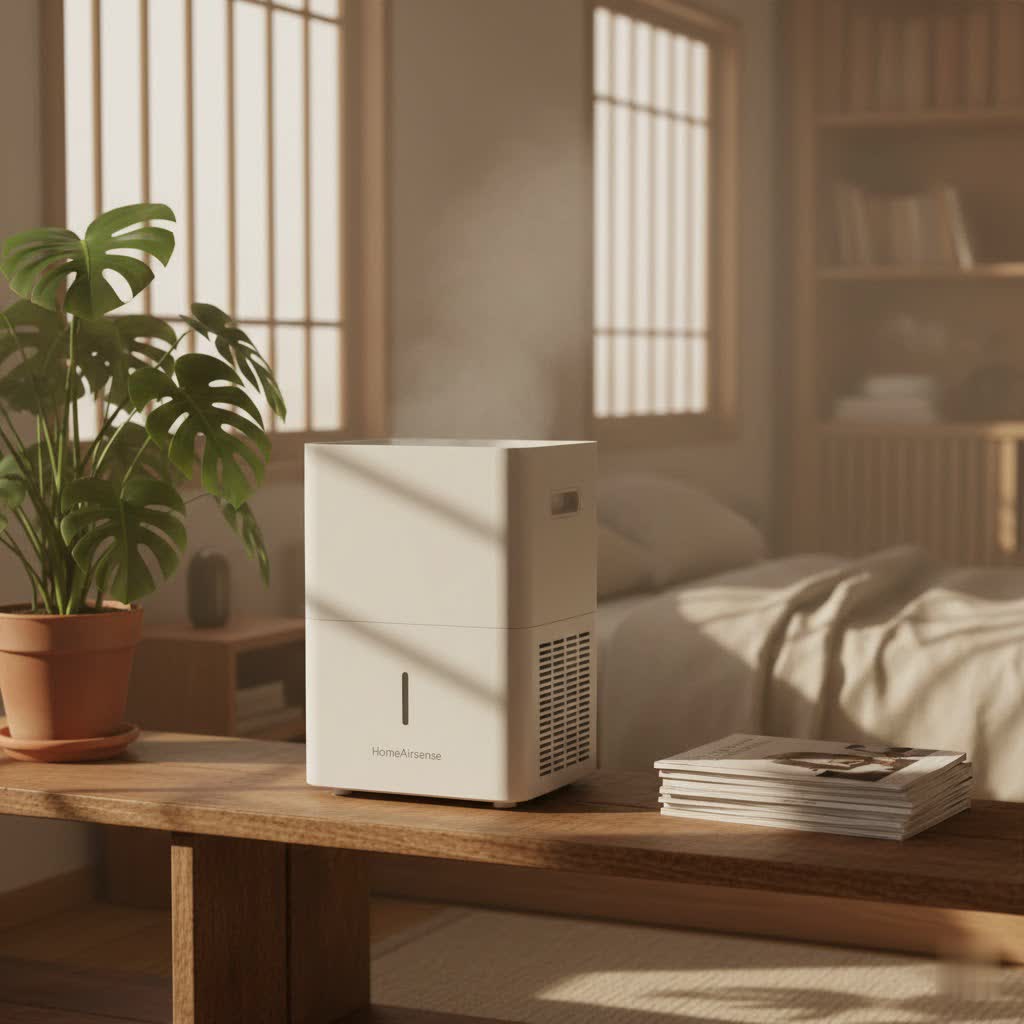
Understanding the Types of Home Dehumidifiers for Large Spaces
When considering a large-capacity dehumidifier, it’s essential to understand the different technologies available. While most high-capacity units for residential and light commercial use are compressor-based, two primary categories dominate the market: compressor (condensate) and desiccant dehumidifiers.
Condensate (Compressor-Based) Dehumidifiers
Compressor-based dehumidifiers operate similarly to a refrigerator or air conditioner. They draw warm, humid air over a set of cold coils. As the air cools, moisture condenses into liquid water, which drips into a collection bucket or drains away. The now-drier, slightly warmed air is then released back into the room.
- Principle of Operation: Uses a refrigerant and compressor to cool coils, causing moisture to condense.
- Pros:
- High Efficiency in Warm, Humid Conditions: Extremely effective at removing large amounts of moisture when temperatures are above 65°F (18°C).
- Cost-Effective Operation: Generally more energy-efficient for high-volume moisture removal in typical home temperatures.
- Common and Widely Available: The most prevalent type for residential use, offering a wide range of capacities and features.
- Cons:
- Less Effective in Cold Temperatures: Performance significantly drops in cooler environments (below 60°F or 15°C) as coils can freeze, requiring defrost cycles that interrupt dehumidification.
- Noise: Can be louder due to the compressor and fan operation, though many modern units are designed for quieter performance.
- Weight: Tend to be heavier and bulkier than desiccant units.
|
Our Picks for the Best Home Dehumidifier in 2026
As an Amazon Associate I earn from qualifying purchases.
|
||
| Num | Product | Action |
|---|---|---|
| 1 | NineSky Dehumidifiers for Home, 95 OZ Water Tank, (1000 sq.ft) Dehumidifiers for Bathroom Bedroom Basement with Auto Shut Off,7 Colors LED Light(White) |

|
| 2 | 2500 Sq.Ft Dehumidifiers for Home with Drain Hose Max 34 Pints, VEAGASO Dehumidifier for Basement, Large Room, Bathroom, Bedroom, Three Modes, Intelligent Humidity Control, Dry Clothes, 24HR Timer |
|
| 3 | Waykar 80 Pints 2025 Energy Star Dehumidifier for Spaces up to 5,000 Sq. Ft for Basement and Home, Large Room with Drain Hose and 1.14 Gallons Water Tank |
|
| 4 | 5000 Sq. Ft Dehumidifiers for Home and Basement, Max 95 Pint/Day Dehumidifier with Drain Hose, Compressor Dehumidifier with Humidity Control, 24H Timer & Child Lock, for Bedroom, Large Rooms |
|
| 5 | Waykar 2000 Sq. Ft. 2025 Energy Star Dehumidifier for Home and Basements, with Auto or Manual Drainage, 0.66 Gallon Water Tank Capacity |
|
| 6 | Dehumidifier,TABYIK 35 OZ Small Dehumidifiers for Room for Home, Quiet with Auto Shut Off, Dehumidifiers for Bedroom (280 sq. ft), Bathroom, RV, Closet |
|
| 7 | Dehumidifier, 98OZ Dehumidifiers for Home(1000sq.ft), Humidity Display Dehumidifier for Basement Bathroom Bedroom, Auto Shut Off, Washable Filter, Drain Hose, Timer, 7 Ambient Lights, White |
|
| 8 | hOmeLabs Dehumidifier for Home, Office, Basements with Powerful Moisture Removal, Humidity Control, Auto Shut-off, Quiet Operation - 7,000 Sq Ft Wi-Fi (50 Pint MAX 120 Pint at 95°F, 90% RH) |
|
| 9 | Dehumidifier,95OZ Dehumidifier for Home 1000 Sq.Ft - Quiet with Auto Shut Off & Relaxing 7 Color Ambient Light,Ideal for Livingroom, Bedroom, Basement(Black) |
|
| 10 | 4500 Sq.Ft Most Efficient Energy Star 2025 Dehumidifier,AEOCKY Max 80 Pint/Day Smart Compressor Dehumidifier with Drain Hose, Intelligent Humidistat,for Basement,Bedroom,Home,Bathroom |
|
Desiccant Dehumidifiers
Desiccant dehumidifiers use a moisture-absorbing material, typically a rotating wheel impregnated with a desiccant chemical like silica gel, to remove humidity from the air. There are also simpler chemical adsorbent types, often found in smaller, disposable products.
- Principle of Operation: Humid air passes over a desiccant material that absorbs moisture. A separate air stream then heats and regenerates the desiccant, expelling the absorbed moisture as warm, humid air, which is usually vented outside.
- Pros:
- Effective in Cold Temperatures: Maintain efficiency even in low-temperature environments (e.g., unheated basements, garages, or crawlspaces below 50°F or 10°C) without freezing.
- Quieter Operation: Typically operate with less noise than compressor models, as they lack a heavy compressor.
- Lighter and More Compact: Often smaller and easier to move.
- Cons:
- Higher Energy Consumption: Generally consume more energy than compressor units, especially in warmer conditions, due to the heating element required for desiccant regeneration.
- Lower Capacity for Large Home Spaces: While effective in cold, they often have lower overall moisture removal capacities (PPD) compared to the largest compressor-based units, making them less suitable for extremely large, very damp residential areas unless multiple units are used or specialized industrial models are considered.
- Warm Air Output: Exhausts warm air, which can slightly increase room temperature, potentially making a space feel warmer.
Detailed Comparison of Dehumidifier Types
To help you decide which type might be best for your substantial moisture removal needs, here’s a comparison:
| Feature | Condensate (Compressor-Based) | Desiccant (Rotor/Chemical Adsorbent) |
|---|---|---|
| Principle | Refrigeration cycle, condenses moisture on cold coils. | Moisture absorbed by desiccant material, then regenerated by heat. |
| Efficiency (Warm/Humid) | Excellent (above 65°F/18°C) | Moderate to good (can be less efficient than compressor in warm, humid). |
| Efficiency (Cool/Damp) | Drops significantly, coils can freeze (below 60°F/15°C) | Excellent (maintains performance even in low temperatures). |
| Moisture Removal (PPD) | Typically higher for large residential/whole-house units (50-200+ PPD). | Lower for common home models (often 20-40 PPD range), specialized industrial types can be high. |
| Noise Level | Moderate to high (compressor hum, fan noise). | Lower (mainly fan noise). |
| Energy Consumption | Lower in warm conditions, higher in cold (due to defrost). | Higher overall due to heating element for regeneration. |
| Price | Varies widely, generally good value for capacity. | Often higher for comparable moisture removal in cold conditions. |
| Durability | Good, well-established technology. | Good, fewer moving parts in some designs. |
| Air Output Temperature | Slightly warmer than ambient, but minimal impact. | Warmer, can increase room temperature slightly. |
| Best Use | General home, basements, large rooms in moderate to warm climates. | Cold basements, unheated garages, crawlspaces. |
Essential Buying Guide for the Largest Home Dehumidifiers
Choosing the largest home dehumidifier means looking beyond just physical size. It’s about matching powerful capacity and features to the specific demands of your substantial space.
1. Identify Your Usage Needs and Environment
Before looking at models, assess your unique situation:
- Area Size: Measure the square footage (and consider ceiling height for total cubic feet) of the space you want to dehumidify. Is it a single large room, an entire basement, a crawlspace, or a whole house?
- Current Humidity Level: Do you have consistently high humidity (above 60-70% RH), or are you looking to maintain a moderate level (40-50% RH)? The damper the area, the higher the capacity you’ll need. Consider also the climate you live in (e.g., hot-humid, mixed-humid, marine).
- Specific Purpose: Are you combating pervasive musty odors, preventing mold growth, drying laundry indoors, or simply improving overall air comfort? For severe issues, you’ll need a robust unit.
- Temperature: For unheated or cooler areas like basements or garages, a desiccant dehumidifier might be more effective than a compressor model, which loses efficiency in cold conditions.
2. Dehumidifying Capacity (Pints Per Day – PPD)
This is the most critical factor for large dehumidifiers. PPD indicates how many pints of water a unit can remove from the air in 24 hours under specific test conditions (e.g., 80°F and 60% relative humidity, known as AHAM standards, or newer DOE standards at 65°F and 60% RH). The keyword “largest” typically refers to models with 50 PPD or more, up to 200+ PPD for whole-house or light-commercial residential units.
-
General Sizing Guidelines (Post-2019 DOE Standards):
- 50 PPD: Suitable for large rooms (1,000 to 2,500 sq ft) or moderately damp basements. Many top-rated “largest” portable home units fall into this category.
- 70-90 PPD: Ideal for very damp large rooms, basements over 2,500 sq ft, or whole-house applications in moderate climates.
- 100-200+ PPD: Necessary for extremely humid large basements, crawlspaces, or whole-house dehumidification in highly humid or coastal climates, especially for homes over 3,000-5,000 sq ft, or those with known moisture issues.
Note: It’s often recommended to slightly overestimate your PPD needs rather than undersize, especially for difficult environments. An undersized unit will run constantly and struggle to reach your target humidity, leading to higher energy consumption and premature wear. However, excessively oversizing can lead to short-cycling, where the unit runs for brief periods, causing uneven humidity and inefficiency. Look for models with variable fan speeds or smart controls to modulate output.
3. Key Features for Large Dehumidifiers
High-capacity units often come with advanced features that enhance performance and convenience:
- Continuous Drainage/Built-in Pump: Absolutely essential for large dehumidifiers. You don’t want to empty a 30+ pint bucket multiple times a day.
- Gravity Drain: Allows water to flow out through a hose to a floor drain. Requires the unit to be elevated.
- Built-in Pump: Pumps water vertically or horizontally over a longer distance to a sink or distant drain. Offers greater flexibility in placement. While external pumps are often more reliable, integrated pump models offer convenience.
- Humidistat: A sensor that monitors room humidity and automatically turns the unit on or off to maintain your desired humidity level. This saves energy and ensures consistent comfort.
- Automatic Shut-off: Turns the unit off when the water bucket is full (if using bucket collection) or when the target humidity is reached.
- Auto-Restart: Automatically resumes operation with previous settings after a power outage.
- Low-Temperature Operation/Automatic Defrost: Crucial for basements or colder areas to prevent ice buildup on coils and maintain efficiency.
- Fan Speed Settings: Multiple fan speeds allow you to adjust for faster dehumidification or quieter operation.
- Air Filter: A washable filter is common and helps maintain efficiency by keeping coils clean.
- Smart Features (Wi-Fi/App Control): Allows remote monitoring and control, especially useful for whole-house or basement installations where direct access might be limited.
- Ducting Capability: Some whole-house models can be integrated with your existing HVAC system’s ductwork for centralized humidity control.
4. Noise Level
For dehumidifiers operating in living spaces or basements connected to them, noise is a consideration. Large units, especially compressor-based ones, can be noisy. Look for models with decibel (dB) ratings. Generally, under 50 dB is considered quiet for a large appliance. Some units are designed with quieter compressors or airflow designs to minimize noise.
5. Energy Efficiency
Look for Energy Star certified models. These units meet strict energy efficiency guidelines set by the EPA, ensuring they remove more moisture per kilowatt-hour of electricity consumed. While larger units use more power in absolute terms, energy-efficient models can save significant operating costs over their lifetime. Newer models adhere to stricter Integrated Energy Factor (IEF) standards.
6. Brand and Price
Reputable brands often offer better warranties and customer support. For high-capacity units, expect to invest more. While specific prices fluctuate, focus on value: balancing capacity, features, energy efficiency, and expected lifespan against the upfront cost.
Top Home Dehumidifiers for Extensive Moisture Control
Based on rigorous testing and consumer feedback, several models consistently stand out for their large capacity and performance in home environments. These are often 50-pint (under new DOE standards, equivalent to older 70-pint) units, with some brands offering even higher PPD for whole-house solutions.
- Midea Cube 50-Pint: Often lauded as a top performer, known for its rapid moisture removal, exceptional energy efficiency, and relatively quiet operation for its capacity. Its unique modular design allows for a large water tank, reducing emptying frequency.
- Honeywell 50-Pint Dehumidifier (with Built-in Pump): A popular choice for large spaces, particularly basements, due to its consistent performance and often includes a built-in pump for continuous drainage flexibility.
- Frigidaire 50-Pint Dehumidifier: Recognized for its robust moisture extraction and user-friendly features, offering a good balance of performance and value for large living areas.
- TCL 50-Pint Smart Dehumidifier: Provides strong dehumidification for large, damp spaces up to 4,500 square feet, combining power with smart connectivity for remote management.
- AlorAir Sentinel Series (e.g., 90-120 PPD): While leaning towards light-commercial, AlorAir offers high-capacity models suitable for very large residential basements, crawlspaces, or whole-house applications, often featuring durable construction and pump options.
- Aprilaire Whole House Dehumidifiers (e.g., 80, 100 PPD): Designed for integration with HVAC systems, these units provide comprehensive, ducted dehumidification for entire homes, offering superior, even humidity control.
Comparison Table: Leading High-Capacity Home Dehumidifiers (Examples)
| Model Example | Capacity (PPD, DOE 2019) | Coverage (Sq Ft) | Noise Level (dB) | Key Features | Typical Use Cases |
|---|---|---|---|---|---|
| Midea Cube | 50 | Up to 4,500 | ~53-54 | Large tank, Energy Star, Wi-Fi, compact storage, high CFM. | Large rooms, basements, open-concept. |
| Honeywell 50-Pint | 50 | Up to 4,000 | ~50-55 | Built-in pump, Energy Star, auto-restart. | Basements, large living areas. |
| Frigidaire 50-Pint | 50 | Up to 4,500 | ~54-55 | Continuous drain, washable filter, auto-shutoff. | Large rooms, general home use. |
| TCL 50-Pint Smart | 50 | Up to 4,500 | N/A | Smart control (Wi-Fi), Energy Star. | Large, damp spaces, tech-savvy users. |
| AlorAir Sentinel | 90-120 | Up to 2,600+ | ~58-60 | Internal pump, durable, ductable, low-temp operation. | Very damp basements, crawlspaces, whole-house. |
| Aprilaire E100 | 100 | Up to 5,000 | N/A | Whole-house ductable, robust, quiet via ducting. | Whole-house integrated solutions. |
(Note: Noise levels can vary depending on fan speed and placement. Coverage square footage is an estimate; always cross-reference with specific manufacturer guidelines and your home’s unique conditions.)
Effective Usage and Maintenance for Your Dehumidifier
To maximize the performance and lifespan of your largest home dehumidifier, proper usage and routine maintenance are key.
How to Use Your Dehumidifier Effectively:
- Placement is Crucial: For room units, place the dehumidifier in a central location within the dampest area. Ensure at least 6-12 inches of clearance around air intake and exhaust vents for optimal airflow. If ducting a whole-house unit, ensure returns are strategically placed in moisture-prone areas (e.g., basement, laundry room).
- Close Doors and Windows: For standalone units, keep doors and windows to the dehumidified space closed to prevent humid outdoor air from entering and overloading the unit.
- Set Target Humidity: Most experts recommend maintaining indoor relative humidity between 40% and 50% for optimal comfort and to inhibit mold growth. Use your unit’s humidistat to set this range.
- Continuous Drainage: Whenever possible, use the continuous drainage feature, especially for high-capacity units. This eliminates the need for frequent bucket emptying, allowing the unit to run uninterrupted.
Maintaining Your Dehumidifier for Longevity:
- Clean the Air Filter Regularly: The air filter prevents dust and debris from entering the unit and clogging the coils, which can reduce efficiency and lead to breakdowns. Most filters are washable and should be cleaned every 2-4 weeks, or more often if the unit runs continuously or in dusty environments.
- Empty and Clean the Water Bucket: If you’re not using continuous drainage, empty the water bucket regularly. Clean it with a mild soap and water solution, or a diluted bleach solution, to prevent mold and bacterial growth inside the bucket.
- Inspect Coils: Periodically check the evaporator and condenser coils for dirt or ice buildup. If dirty, clean them gently with a soft brush or coil cleaner. If icing occurs frequently, it might indicate low ambient temperature or a refrigerant issue requiring professional service.
- Clear Drain Lines: If using continuous drainage, ensure the drain hose or pump is clear of obstructions. Algae or mineral deposits can clog lines, leading to overflows. Flush with a diluted bleach solution periodically.
- Store Properly (Off-Season): If storing your unit for an extended period, drain all water, clean the filter and bucket thoroughly, and allow all components to dry completely before packing it away in a dry, protected area.
Smart Choices for Budget-Conscious Buyers
Investing in a large home dehumidifier can be a significant decision, but you don’t always need to break the bank. Here are some tips for finding quality units within your budget:
- Prioritize Capacity and Core Features: Focus on getting the right PPD capacity and essential features like continuous drainage and a humidistat. While smart features are convenient, they often add to the cost. If budget is a concern, you might forgo Wi-Fi connectivity for a powerful, efficient core unit.
- Compare Energy Star Ratings: An Energy Star certified unit, even if slightly more expensive upfront, will save you money on electricity bills over its lifespan. These long-term savings often outweigh the initial price difference.
- Look for Sales and Promotions: Keep an eye out for seasonal sales or manufacturer promotions. Black Friday, Cyber Monday, and end-of-season clearances can offer significant discounts on higher-priced models.
- Consider Reputable Mid-Range Brands: While premium brands like Aprilaire and Santa Fe offer excellent whole-house solutions, brands like Midea, Frigidaire, and Honeywell frequently provide high-performing 50-pint units at more accessible price points.
- Read Reviews and Testimonials: Pay attention to user reviews regarding durability and reliability. A cheaper unit that breaks down quickly or performs poorly will cost you more in the long run. Look for consistent positive feedback.
- DIY Installation for Standalone Units: For portable or standalone large room dehumidifiers, self-installation can save on labor costs compared to ducted whole-house systems that typically require professional HVAC integration.
Frequently Asked Questions About Large Home Dehumidifiers
What size dehumidifier do I need for a 2,500 sq. ft. home?
For a 2,500 sq. ft. home, especially in a humid climate or with a damp basement, you would typically need a dehumidifier with a capacity of 90-120 PPD. In moderate climates with a well-sealed home, a 70-90 PPD unit might suffice. Always consider the home’s tightness, ceiling height, and specific moisture sources.
Can an oversized dehumidifier be a problem?
Yes, an oversized dehumidifier can short-cycle, meaning it reaches the target humidity too quickly and shuts off. This can lead to uneven humidity levels throughout the home, as it doesn’t run long enough to circulate air effectively. Short-cycling can also reduce energy efficiency and put more wear and tear on components over time. It’s better to aim for a unit that runs consistently to maintain optimal humidity.
Are “whole-house” dehumidifiers different from “large room” models?
Yes, significantly. Large room models are typically portable (50-70 PPD) and designed for single, substantial areas like a basement or large living room. Whole-house dehumidifiers (70-200+ PPD) are usually designed for ducted installation, integrating with your home’s HVAC system to provide uniform humidity control across the entire residence, often with higher capacities and advanced controls.
How much electricity do large dehumidifiers use?
Energy consumption varies by capacity and efficiency. A 50-pint unit might draw 500-700 watts when running, while larger whole-house units can draw more. Energy Star certified models are designed to be more efficient. Operating costs depend on your electricity rates and how frequently the unit runs. Using a humidistat and continuous drainage helps optimize energy use.
What’s the ideal humidity level for a home?
Most building scientists and indoor air quality experts recommend maintaining indoor relative humidity between 40% and 50%. This range is comfortable for occupants, discourages mold and dust mite growth, and protects building materials from moisture damage.
Conclusion
Choosing the largest home dehumidifier for your substantial living space or moisture-prone areas is a critical step towards creating a healthier, more comfortable home environment. By understanding the differences between compressor and desiccant technologies, meticulously assessing your specific needs, and prioritizing key features like appropriate PPD capacity and continuous drainage, you can confidently select a unit that delivers powerful, efficient moisture removal. Remember to factor in noise levels, energy efficiency, and your budget, opting for reputable brands and Energy Star certified models when possible. With the right high-capacity dehumidifier in place, you can effectively combat mold, eliminate musty odors, protect your home’s structure, and enjoy the lasting benefits of balanced indoor humidity.
What specific challenges does humidity present in your home, and how do you envision a powerful dehumidifier changing your daily comfort?
