The silent battle against dampness, musty odors, and insidious mold is a common challenge for many homeowners. From chilly basements to utility rooms where laundry hangs to dry, excess moisture can compromise comfort, health, and even the structural integrity of your home. While various solutions exist, the desiccant dehumidifier emerges as a uniquely effective champion, particularly in cooler environments where traditional units falter. Understanding its distinct advantages and how it operates is the first step toward reclaiming a fresh, dry, and healthy living space.
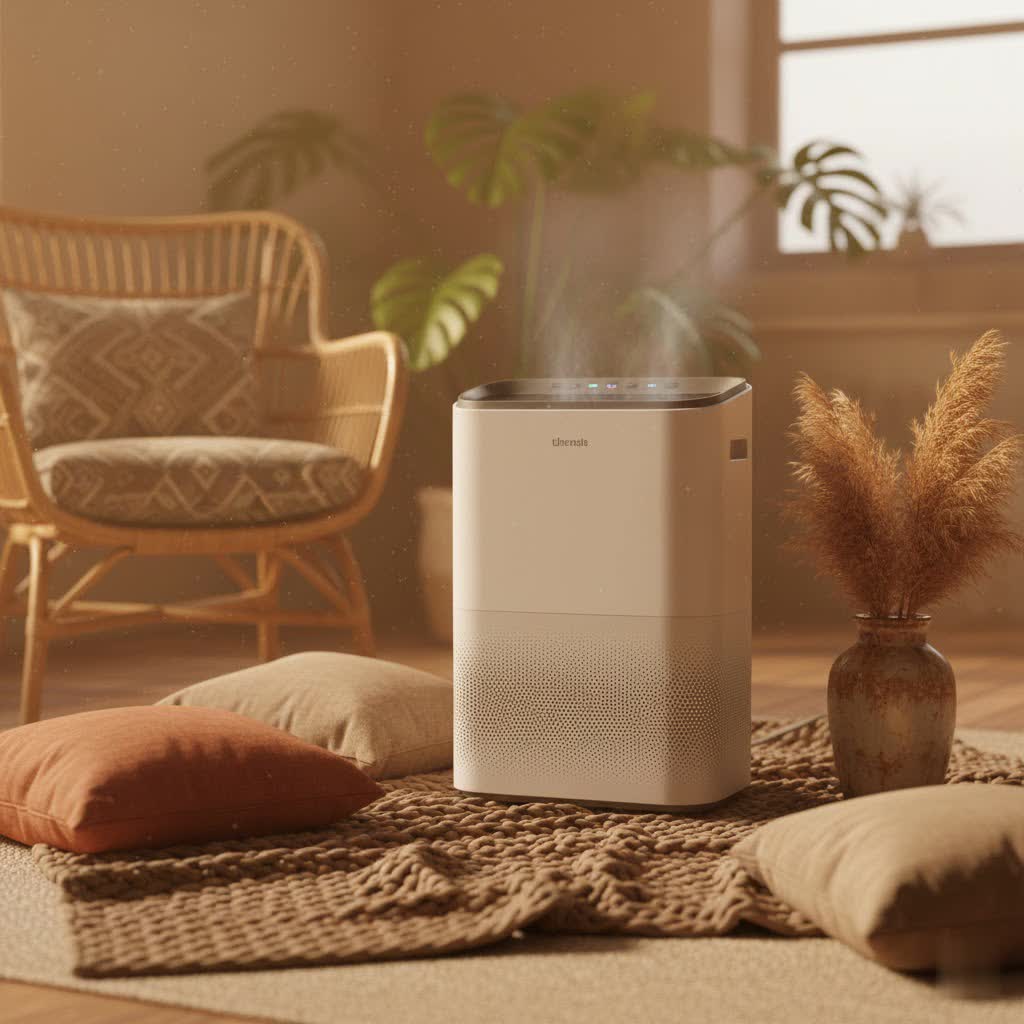
Desiccant dehumidifiers offer a specialized approach to moisture control, providing an invaluable tool in your home’s environmental management arsenal. Unlike their compressor-based counterparts, these ingenious devices thrive in cooler conditions, making them ideal for areas that rarely see high temperatures. This guide will delve into the mechanics, benefits, and considerations for choosing and utilizing a desiccant dehumidifier to ensure your home remains a sanctuary of dryness and comfort.
Understanding Desiccant Dehumidifiers for Home Use
At the heart of a desiccant dehumidifier lies a fascinating process of moisture absorption, distinct from the condensation method used by many other types. These units rely on specialized materials to actively draw humidity from the air, making them incredibly effective in a range of home environments.
How They Work: The Adsorption Principle
A desiccant dehumidifier operates on the principle of adsorption, a process where a substance (the desiccant) holds molecules on its surface. Imagine a highly absorbent sponge, but for airborne moisture. Here’s a breakdown of the ingenious mechanism:
- Air Intake: A fan draws humid air from your room into the dehumidifier.
- Desiccant Wheel: This moist air passes through a large, rotating wheel densely packed with desiccant material, typically silica gel or zeolite. These materials are hygroscopic, meaning they naturally attract and hold water vapor. As the air moves through the wheel, the desiccant adsorbs the excess moisture.
- Dry Air Output: The now-dry air is expelled back into your room, making the space feel instantly fresher and less humid.
- Regeneration Cycle: For the desiccant wheel to continue absorbing moisture, it must be “regenerated.” A separate stream of air is drawn in and heated by an internal electric heater. This hot air passes through a segment of the desiccant wheel, forcing the adsorbed moisture to be released. This moist, warm air is then either condensed into water for collection in a tank or sometimes ducted outside, depending on the model.
- Continuous Operation: The desiccant wheel continuously rotates, moving between the dehumidification zone (where it absorbs moisture) and the regeneration zone (where it releases moisture), ensuring uninterrupted humidity control.
|
Our Picks for the Best Home Dehumidifier in 2026
As an Amazon Associate I earn from qualifying purchases.
|
||
| Num | Product | Action |
|---|---|---|
| 1 | Waykar 80 Pints 2025 Energy Star Dehumidifier for Spaces up to 5,000 Sq. Ft for Basement and Home, Large Room with Drain Hose and 1.14 Gallons Water Tank |

|
| 2 | Dehumidifier,95OZ Dehumidifier for Home 1000 Sq.Ft - Quiet with Auto Shut Off & Relaxing 7 Color Ambient Light,Ideal for Livingroom, Bedroom, Basement(Black) |
|
| 3 | 5000 Sq. Ft Dehumidifiers for Home and Basement, Max 95 Pint/Day Dehumidifier with Drain Hose, Compressor Dehumidifier with Humidity Control, 24H Timer & Child Lock, for Bedroom, Large Rooms |
|
| 4 | Waykar 2000 Sq. Ft. 2025 Energy Star Dehumidifier for Home and Basements, with Auto or Manual Drainage, 0.66 Gallon Water Tank Capacity |
|
| 5 | Dehumidifier,TABYIK 35 OZ Small Dehumidifiers for Room for Home, Quiet with Auto Shut Off, Dehumidifiers for Bedroom (280 sq. ft), Bathroom, RV, Closet |
|
| 6 | 4500 Sq.Ft Most Efficient Energy Star 2025 Dehumidifier,AEOCKY Max 80 Pint/Day Smart Compressor Dehumidifier with Drain Hose, Intelligent Humidistat,for Basement,Bedroom,Home,Bathroom |
|
| 7 | Dehumidifier, 98OZ Dehumidifiers for Home(1000sq.ft), Humidity Display Dehumidifier for Basement Bathroom Bedroom, Auto Shut Off, Washable Filter, Drain Hose, Timer, 7 Ambient Lights, White |
|
| 8 | hOmeLabs Dehumidifier for Home, Office, Basements with Powerful Moisture Removal, Humidity Control, Auto Shut-off, Quiet Operation - 7,000 Sq Ft Wi-Fi (50 Pint MAX 120 Pint at 95°F, 90% RH) |
|
| 9 | 2500 Sq.Ft Dehumidifiers for Home with Drain Hose Max 34 Pints, VEAGASO Dehumidifier for Basement, Large Room, Bathroom, Bedroom, Three Modes, Intelligent Humidity Control, Dry Clothes, 24HR Timer |
|
| 10 | NineSky Dehumidifiers for Home, 95 OZ Water Tank, (1000 sq.ft) Dehumidifiers for Bathroom Bedroom Basement with Auto Shut Off,7 Colors LED Light(White) |
|
This cycle allows desiccant dehumidifiers to work efficiently without relying on cooling coils, which is a key differentiator from compressor models.
Desiccant vs. Compressor: A Critical Comparison for Homeowners
Choosing the right dehumidifier for your home often comes down to understanding the fundamental differences between desiccant and compressor (also known as refrigerant) models. Each has its strengths, making them suitable for different applications.
-
Performance in Various Temperatures: This is the most crucial distinction.
- Desiccant Dehumidifiers: Shine in cold environments, typically performing optimally at temperatures below 15°C (59°F), and even down to 1°C. They don’t have cooling coils that can freeze, ensuring consistent performance in basements, garages, conservatories, or unheated utility rooms.
- Compressor Dehumidifiers: Are highly efficient in warmer, humid conditions, generally above 15°C (59°F). Their performance significantly diminishes in colder temperatures, as coils can freeze, halting water extraction.
-
Energy Efficiency & Running Costs:
- Desiccant Dehumidifiers: Tend to have higher hourly power consumption due to the internal heater used for regeneration. However, they also emit warm, dry air (10-12°C warmer than ambient), which can contribute to heating a cold room, potentially offsetting central heating costs in winter. This makes their actual cost-effectiveness in cold spaces debatable and often favorable.
- Compressor Dehumidifiers: Are generally more energy-efficient per liter of water removed in warmer climates. They blow out air that is closer to room temperature.
-
Noise Levels:
- Desiccant Dehumidifiers: Are typically quieter than compressor units. Lacking a noisy compressor, they primarily produce a gentle fan-like “white noise” that many find unobtrusive, especially in bedrooms or living areas.
- Compressor Dehumidifiers: Can be louder due to the operation of the compressor, though modern models are continually improving in noise reduction.
-
Weight & Portability:
- Desiccant Dehumidifiers: Are often lighter and more compact in design, making them easier to move between different rooms or for storage.
- Compressor Dehumidifiers: Tend to be heavier and bulkier due to the compressor unit.
-
Moisture Extraction Rate:
- Desiccant Dehumidifiers: Maintain a consistent moisture extraction rate across their operational temperature range. While their maximum daily capacity might be lower than a high-capacity compressor in warm conditions, their stability in cold is unmatched.
- Compressor Dehumidifiers: Can remove a significant amount of moisture in optimal warm conditions, but this capacity drops sharply as temperatures fall.
-
Maintenance:
- Desiccant Dehumidifiers: Are generally considered simpler to maintain as they don’t use refrigerants and are not prone to icing up, eliminating the need for defrost cycles.
- Compressor Dehumidifiers: Require occasional maintenance, similar to an air conditioner, and may need professional checks if refrigerant issues arise.
In summary, for homes in cooler climates or for specific cold, unheated areas, a desiccant dehumidifier is often the superior choice, offering consistent performance and a quiet operation.
Key Factors to Consider When Choosing a Desiccant Dehumidifier for Your Home
Selecting the ideal desiccant dehumidifier requires careful consideration of several factors to ensure it perfectly matches your home’s specific needs and conditions.
Room Size & Intended Use
The effectiveness of your dehumidifier hinges on selecting a model with appropriate capacity for the space you intend to treat.
- Small Spaces (up to 20 sq. m / 200 sq. ft): Consider compact units for bedrooms, small offices, or wardrobes.
- Medium Spaces (20-50 sq. m / 200-500 sq. ft): Most living rooms, kitchens, and larger bedrooms will fall into this category, requiring a moderate capacity.
- Large Spaces (over 50 sq. m / 500 sq. ft): Basements, garages, open-plan living areas, or multi-room applications will need higher-capacity models to cope with larger air volumes and potentially higher moisture loads.
- Specific Uses: If you primarily need it for drying laundry, look for models with a dedicated “laundry mode” or powerful airflow. For cold and damp basements or garages, a desiccant model is inherently superior.
Dehumidification Capacity
Dehumidifiers are rated by the amount of moisture they can remove in 24 hours (e.g., 7L, 8L, 10L). This capacity is crucial for effective moisture control. While specific ratings are usually given at a standard temperature and humidity (e.g., 20°C/60% RH), desiccant units maintain their performance more consistently across a range of temperatures, particularly in colder ones. Match the capacity to the size and typical humidity level of your space. For very damp areas or larger rooms, opt for a higher capacity model.
Essential Features
Modern desiccant dehumidifiers come equipped with a variety of features that enhance convenience and efficiency:
- Humidistat: Allows you to set a target humidity level (e.g., 50% RH). The unit will automatically turn on and off to maintain this level, saving energy. This is a must-have for hands-off operation.
- Timer: Enables scheduled operation, ideal for running the unit during off-peak electricity hours or when you’re out of the house.
- Auto Shut-off: Automatically turns off the unit when the water tank is full to prevent overflows.
- Continuous Drain Option: A hose connection allows water to drain directly, eliminating the need to manually empty the tank, perfect for unattended use in basements or garages.
- Laundry Mode: Boosts fan speed and heat output to rapidly dry clothes indoors, offering a cost-effective alternative to tumble dryers.
- Air Purification: Some models include filters (e.g., anti-bacterial or HEPA) to improve air quality by trapping dust, allergens, and odors.
- Multiple Fan Speeds: Offers flexibility in managing noise levels and drying intensity.
Noise Output
While desiccant dehumidifiers are generally quieter, noise can still be a concern, especially if the unit will be used in bedrooms or living areas. Check the decibel (dB) rating; typically, anything below 40dB is considered quiet for a household appliance. Many desiccant units operate in the 35-50dB range, with lower fan settings being the quietest.
Brand Reputation & Budget
Investing in a reputable brand often translates to better quality, reliability, and customer support. Brands like Meaco, EcoAir, and Pro Breeze are well-regarded for their desiccant dehumidifiers. While price is a factor, consider it an investment in your home’s health and comfort. A higher initial cost for a more efficient or feature-rich model can lead to long-term savings on energy bills and maintenance. Compare features, warranties, and user reviews within your budget to find the best value.
Top Desiccant Dehumidifiers for Home Use: Reviews and Recommendations
The market offers several excellent desiccant dehumidifiers tailored for home use, each with unique strengths. While specific model availability can vary, here are characteristics and common features to look for in top-rated units:
Leading desiccant dehumidifiers are renowned for their robust performance in chilly conditions, making them a go-to choice for homeowners battling dampness in unheated spaces. Models like the Meaco DD8L, EcoAir DD1, and certain Pro Breeze desiccant units consistently receive high marks for their ability to extract significant moisture even when temperatures drop. They typically feature user-friendly controls, often including a humidistat for automatic operation, a timer for scheduling, and multiple fan speeds to balance efficiency and noise. Many also incorporate a dedicated “laundry mode” which, coupled with their inherent warm air output, dramatically speeds up indoor clothes drying. When evaluating options, prioritize those that offer a good balance of moisture extraction capacity, quiet operation, and energy efficiency, especially if you intend to use them extensively in colder parts of your home.
Maximizing Efficiency: Using and Maintaining Your Desiccant Dehumidifier
To ensure your desiccant dehumidifier operates at peak performance and enjoys a long lifespan, proper usage and routine maintenance are essential.
Optimal Placement & Settings
Strategic placement can significantly enhance your dehumidifier’s effectiveness:
- Central Location: Place the unit in the center of the dampest room, away from walls and furniture, to allow for optimal airflow. Avoid placing it directly against a wall or in a corner where air circulation is restricted.
- Avoid Obstructions: Ensure that both the air intake and exhaust vents are clear of any blockages.
- Close Windows and Doors: For efficient dehumidification, keep windows and external doors closed in the room where the unit is operating to prevent new moisture from entering.
- Ideal Humidity Levels: Aim to maintain indoor relative humidity (RH) between 40-60%. Most dehumidifiers with a humidistat allow you to set your desired level.
- Laundry Drying: When using laundry mode, position the unit near your drying rack. The warm, dry air helps evaporate moisture from clothes more quickly.
Routine Maintenance
Consistent care will prolong the life of your appliance and maintain its efficiency:
- Clean the Air Filter: Most desiccant dehumidifiers have a washable or replaceable air filter. Check it regularly (e.g., every 2-4 weeks) and clean it according to the manufacturer’s instructions. A clogged filter reduces airflow and efficiency.
- Empty the Water Tank: If you’re not using the continuous drain option, empty the water tank frequently, especially in very humid conditions. Prevent mold growth in the tank by cleaning it periodically with warm, soapy water and a mild disinfectant.
- Check Continuous Drain Hose: If using a continuous drain, ensure the hose is properly connected, free of kinks, and sloped downwards to allow gravity drainage. Regularly check for blockages.
- Clean Exterior: Wipe down the exterior of the unit with a soft, damp cloth to remove dust and grime.
- Storage: If storing the unit for an extended period, ensure it’s clean and completely dry before packing it away in a cool, dry place.
Troubleshooting Common Issues
- Dehumidifier not collecting water: Check if the filter is clean, the water tank is correctly inserted, and the humidity setting is lower than the current room humidity. In very cold conditions, ensure it’s a desiccant model as compressor units would struggle.
- Unit is noisy: Ensure it’s on a flat, stable surface. Check for any loose parts. If on a high fan setting, consider a lower one.
- Musty smell from unit: Clean the water tank and filter thoroughly, as mold or bacteria can grow in damp areas.
Desiccant Dehumidifiers: Unpacking the Benefits
Beyond simply removing moisture, desiccant dehumidifiers offer a cascade of benefits that significantly enhance home comfort, health, and property preservation.
Superior Performance in Cold Climates
This is arguably the crowning advantage of desiccant dehumidifiers. Their ability to operate effectively in temperatures as low as 1°C (34°F) means they are unparalleled for use in unheated spaces. Unlike compressor models that struggle and can freeze up below 15°C (59°F), desiccants consistently pull moisture, making them the optimal choice for basements, garages, workshops, and chilly conservatories during colder months. This prevents condensation, damp walls, and the cold, clammy feeling associated with high humidity in cool air.
Added Warmth & Faster Laundry Drying
A unique characteristic of desiccant dehumidifiers is their production of slightly warm, dry air. As part of their regeneration cycle, an internal heater warms the desiccant material, and this warmth is released into the room. This can raise the ambient temperature by 10-12°C, providing a welcome secondary heating effect in a cold, damp room. This dual benefit of drying and gentle heating makes them exceptionally efficient for drying laundry indoors. Clothes dry significantly faster than air-drying alone, often surpassing the speed of compressor units, while being a more energy-efficient alternative to tumble dryers, especially when considering the added warmth to the room.
Quieter Operation for Enhanced Comfort
The absence of a refrigeration compressor means desiccant dehumidifiers operate with notably less mechanical noise. They typically emit a low hum or gentle fan noise, often described as “white noise.” This makes them far more suitable for placement in living areas, bedrooms, or even open-plan spaces where noise disruption would be unwelcome, contributing to a more peaceful indoor environment.
Mold, Mildew, and Odor Prevention
By diligently removing excess moisture from the air, desiccant dehumidifiers effectively eliminate the breeding grounds for common household nuisances. Mold and mildew thrive in damp conditions, leading to unsightly stains, structural damage, and potential respiratory health issues. Reducing humidity also curtails dust mite populations and prevents that unmistakable musty odor often found in damp homes. This contributes significantly to improved indoor air quality and a healthier living environment for all occupants.
Compact & Portable Design
Desiccant dehumidifiers are often lighter and more compact than their compressor counterparts. This makes them highly portable, allowing you to easily move the unit to different rooms or store it away when not needed. Their smaller footprint also means they can fit into tighter spaces without being intrusive.
Comparative Table: Best Desiccant Dehumidifiers for Homes
| Feature / Model Type | Desiccant Dehumidifier | Compressor (Refrigerant) Dehumidifier |
|---|---|---|
| Operating Temp. | Optimal below 15°C (down to 1°C); consistent perf. | Optimal above 15°C; struggles/freezes below 15°C |
| Energy Use | Higher hourly draw (due to heater); can aid heating | Lower hourly draw in warm conditions; less effective in cold |
| Noise Level | Generally quieter (fan/white noise) | Can be louder (compressor noise) |
| Weight / Size | Lighter, more compact | Heavier, bulkier |
| Air Output | Slightly warm, dry air | Room temperature, dry air |
| Laundry Drying | Highly effective, faster (due to warm air) | Effective, but slower than desiccant |
| Maintenance | Simpler; no defrost cycles, no refrigerants | More complex; requires defrost cycles, uses refrigerants |
| Best For | Basements, garages, conservatories, cold rooms, drying laundry | Warmer living spaces, general high humidity control |
Budget-Friendly Tips for Buying a Home Desiccant Dehumidifier
Investing in a desiccant dehumidifier doesn’t have to break the bank. With a few smart strategies, you can find a high-quality unit that meets your needs without overspending.
- Prioritize Essential Features: Decide which features are non-negotiable (e.g., humidistat, continuous drain) and which are nice-to-haves (e.g., air purification). Focusing on core functionality can help reduce costs.
- Match Capacity to Need, Not Overpower: Don’t buy a unit with excessive capacity for your space. A larger unit costs more to buy and potentially to run. Accurately assess your room size and humidity levels.
- Look for Sales and Promotions: Dehumidifiers are often on sale, particularly outside of peak humidity seasons. Keep an eye out for discounts from retailers or manufacturers.
- Consider Refurbished Units (from reputable sources): Some manufacturers or authorized dealers offer refurbished units at a lower price, often with a warranty. Ensure you purchase from a trusted source.
- Read Reviews and Compare Brands: While well-known brands often come with a premium, some lesser-known brands offer comparable performance at a more attractive price point. Always cross-reference user reviews for reliability.
- Factor in Running Costs: A cheaper unit upfront might cost more in electricity over its lifetime. Research energy efficiency ratings, especially if you plan to use it frequently. Remember, desiccants can add warmth, potentially saving on heating bills in cold rooms.
Frequently Asked Questions About Home Desiccant Dehumidifiers
Can a desiccant dehumidifier heat a room?
Yes, desiccant dehumidifiers naturally emit warm air (typically 10-12°C warmer than the ambient temperature) as part of their regeneration process. While not designed as primary heaters, this warmth can significantly contribute to making a cold, damp room feel more comfortable and can even help reduce reliance on central heating in specific areas.
Are desiccant dehumidifiers expensive to run?
Compared to compressor dehumidifiers, desiccants generally have a higher hourly power consumption due to their internal heater. However, in cold environments where compressors struggle, a desiccant unit’s consistent performance and the added warmth it provides can make it more cost-effective overall, potentially offsetting other heating costs.
How often should I empty the water tank?
The frequency depends on the humidity level in your home and the unit’s capacity. In very damp conditions, you might need to empty it once or twice a day. If your unit has a continuous drain option, using a hose can eliminate the need for manual emptying.
Where is the best place to put a desiccant dehumidifier?
Desiccant dehumidifiers perform best in cooler, unheated spaces like basements, garages, utility rooms, cold conservatories, or bedrooms where dampness is an issue. Place it centrally in the room, away from walls and obstructions, to ensure optimal airflow for efficient moisture removal.
How long do desiccant dehumidifiers last?
With proper maintenance, a good quality desiccant dehumidifier can last for 5-10 years or even longer. Regular cleaning of filters and the water tank, along with correct usage, are key to maximizing its lifespan.
Conclusion
The desiccant dehumidifier stands as a powerful and often superior solution for combating excess moisture in homes, especially in the challenging conditions of colder climates or unheated spaces. By leveraging the efficient adsorption process, these units deliver consistent performance, quieter operation, and even the added benefit of gentle warmth, all while actively safeguarding your home against mold, mildew, and musty odors.
Choosing the right desiccant dehumidifier involves understanding its unique mechanics, comparing it judiciously with other types, and considering your specific home environment. With thoughtful selection and diligent maintenance, a desiccant dehumidifier can transform your living spaces, promoting a drier, healthier, and more comfortable atmosphere. Are you ready to embrace the benefits of consistent moisture control and experience a noticeable difference in your home’s air quality and comfort?
