Is your home constantly battling a damp, musty odor? Do you notice condensation on windows or an uncomfortably sticky feeling in the air? Excessive indoor humidity isn’t just unpleasant; it can lead to mold growth, dust mite proliferation, and even damage to your home and belongings. A 50-pint dehumidifier from Home Depot could be the perfect solution, effectively transforming your living space into a fresh, dry, and healthy environment.
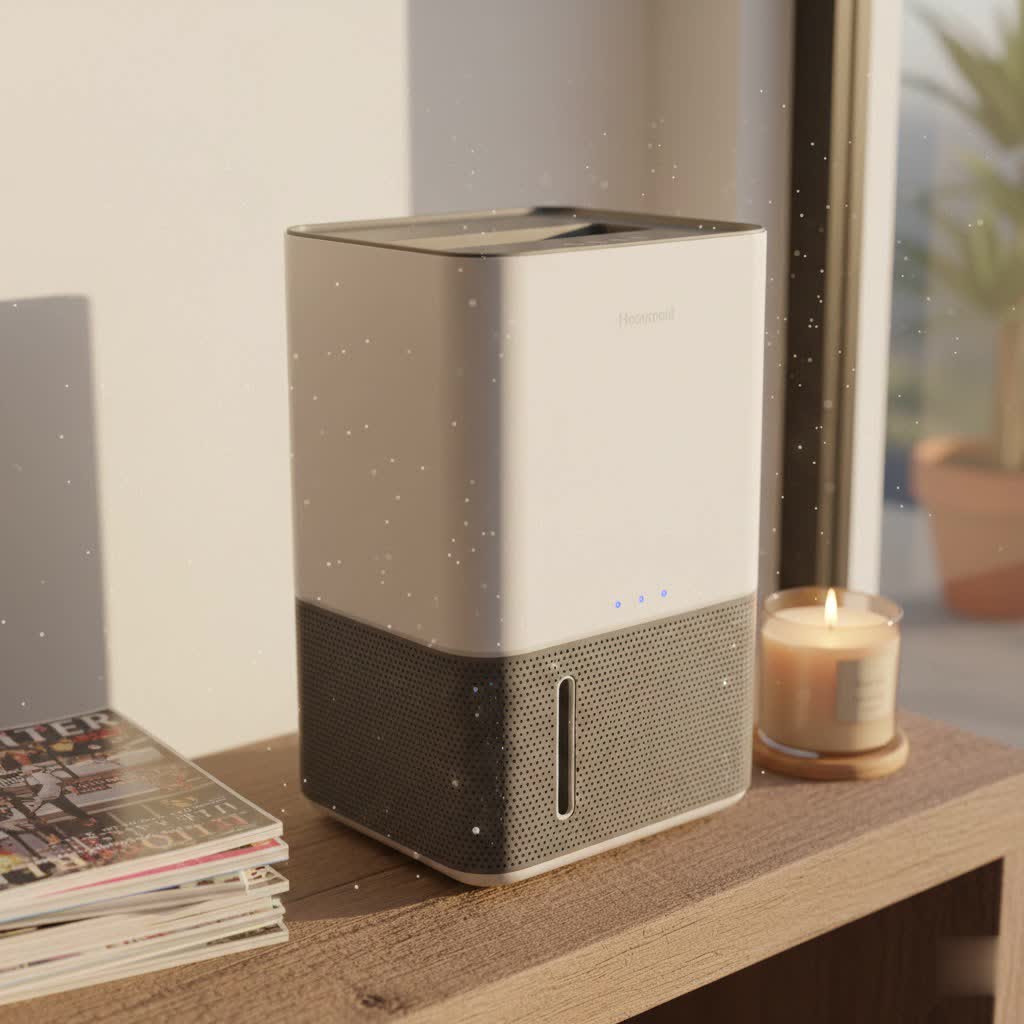
This comprehensive guide will walk you through everything you need to know about selecting, using, and maintaining a 50-pint dehumidifier, with a specific focus on the wide range of options available at Home Depot. We’ll delve into the different types, essential features, and top recommendations to help you make an informed decision and invest in the comfort and well-being of your home.
Understanding 50-Pint Dehumidifiers: What They Are and Why You Need One
A 50-pint dehumidifier refers to its capacity to remove up to 50 pints of moisture from the air within a 24-hour period. This capacity makes them ideal for medium to large spaces, typically covering areas from 1,000 to 2,500 square feet, depending on the severity of the humidity.
Maintaining an optimal relative humidity level—ideally between 40% and 50% in summer and 30% and 50% in winter—is crucial for a healthy home environment. High humidity contributes to a host of problems including the growth of mold and mildew, which can trigger allergies and respiratory issues. It also creates a breeding ground for dust mites, leads to musty odors, and can cause damage to electronics, wooden furniture, and structural elements of your home. A 50-pint dehumidifier effectively combats these issues by actively extracting excess moisture, making your air lighter, cooler, and healthier.
Types of Home Dehumidifiers: A Quick Look
When exploring 50-pint dehumidifiers, you’ll primarily encounter compressor-based (refrigerant) models.
Refrigerant Dehumidifiers (Compressor-based)
- Principle of Operation: These are the most common type and work similarly to an air conditioner. A fan draws moist air over cold coils, which cools the air, causing moisture to condense into water droplets. The dry air is then reheated and released back into the room, while the collected water drips into a bucket or is drained away.
- Pros: Highly effective in warm, humid conditions, which are typical for most residential applications. They can remove significant amounts of moisture quickly.
- Cons: Can be less efficient in very cold environments (below 60°F), as coils may ice up. Some models can be noisy due to the compressor and fan operation.
|
Our Picks for the Best Home Dehumidifier in 2026
As an Amazon Associate I earn from qualifying purchases.
|
||
| Num | Product | Action |
|---|---|---|
| 1 | Dehumidifier, 98OZ Dehumidifiers for Home(1000sq.ft), Humidity Display Dehumidifier for Basement Bathroom Bedroom, Auto Shut Off, Washable Filter, Drain Hose, Timer, 7 Ambient Lights, White |

|
| 2 | 4500 Sq.Ft Most Efficient Energy Star 2025 Dehumidifier,AEOCKY Max 80 Pint/Day Smart Compressor Dehumidifier with Drain Hose, Intelligent Humidistat,for Basement,Bedroom,Home,Bathroom |
|
| 3 | 5000 Sq. Ft Dehumidifiers for Home and Basement, Max 95 Pint/Day Dehumidifier with Drain Hose, Compressor Dehumidifier with Humidity Control, 24H Timer & Child Lock, for Bedroom, Large Rooms |
|
| 4 | NineSky Dehumidifiers for Home, 95 OZ Water Tank, (1000 sq.ft) Dehumidifiers for Bathroom Bedroom Basement with Auto Shut Off,7 Colors LED Light(White) |
|
| 5 | Waykar 2000 Sq. Ft. 2025 Energy Star Dehumidifier for Home and Basements, with Auto or Manual Drainage, 0.66 Gallon Water Tank Capacity |
|
| 6 | Waykar 80 Pints 2025 Energy Star Dehumidifier for Spaces up to 5,000 Sq. Ft for Basement and Home, Large Room with Drain Hose and 1.14 Gallons Water Tank |
|
| 7 | hOmeLabs Dehumidifier for Home, Office, Basements with Powerful Moisture Removal, Humidity Control, Auto Shut-off, Quiet Operation - 7,000 Sq Ft Wi-Fi (50 Pint MAX 120 Pint at 95°F, 90% RH) |
|
| 8 | 2500 Sq.Ft Dehumidifiers for Home with Drain Hose Max 34 Pints, VEAGASO Dehumidifier for Basement, Large Room, Bathroom, Bedroom, Three Modes, Intelligent Humidity Control, Dry Clothes, 24HR Timer |
|
| 9 | Dehumidifier,95OZ Dehumidifier for Home 1000 Sq.Ft - Quiet with Auto Shut Off & Relaxing 7 Color Ambient Light,Ideal for Livingroom, Bedroom, Basement(Black) |
|
| 10 | Dehumidifier,TABYIK 35 OZ Small Dehumidifiers for Room for Home, Quiet with Auto Shut Off, Dehumidifiers for Bedroom (280 sq. ft), Bathroom, RV, Closet |
|
Desiccant Dehumidifiers
- Principle of Operation: Desiccant dehumidifiers use a special moisture-absorbing material, often a rotating rotor coated with desiccant, to pull humidity from the air. The desiccant then releases the absorbed moisture into a separate area to be collected.
- Pros: Generally more effective and efficient in colder temperatures, quieter operation.
- Cons: Typically have a more limited capacity compared to compressor models, can have a distinct aroma from the desiccant material, and are less economical for higher capacities like 50 pints in residential settings.
While desiccant units exist, for a 50-pint capacity for typical home use, refrigerant models are the standard and most widely available at Home Depot.
Key Features to Consider When Buying a 50-Pint Dehumidifier at Home Depot
Choosing the right 50-pint dehumidifier involves more than just capacity. Here are the essential features to look for to ensure it meets your specific needs:
- Adjustable Humidistat: This crucial feature allows you to set your desired humidity level, and the unit will automatically turn on and off to maintain it. This saves energy and ensures consistent comfort without constant manual adjustment.
- Drainage Options:
- Removable Water Bucket: All dehumidifiers come with a collection bucket that needs to be manually emptied when full. Auto shut-off features prevent overflowing.
- Continuous Gravity Drainage: Many units offer a port for connecting a standard garden hose, allowing water to drain continuously into a floor drain, sink, or sump pump. This is ideal for basements or areas where you don’t want to constantly monitor the bucket.
- Built-in Pump: Some advanced models include an internal pump that can push water vertically or over longer distances (e.g., up to a window or an elevated sink). This provides maximum flexibility for placement.
- Noise Level: Dehumidifiers have fans and compressors, which generate noise. If the unit will be in a living area or bedroom, look for models with lower decibel ratings or “quiet mode” features. Reviews often highlight noise levels.
- Energy Efficiency (Energy Star Rating): An Energy Star certified dehumidifier is designed to consume less energy, saving you money on electricity bills. Some units even boast an “Energy Star Most Efficient” designation, representing the best in energy savings.
- Portability: If you plan to move the dehumidifier between rooms, look for models with sturdy caster wheels and integrated handles. The weight can vary, so ease of movement is a significant factor.
- Smart Features and Digital Controls:
- Digital Display: Provides an accurate readout of current humidity levels and settings.
- Timer: Allows you to program the unit to turn on or off at specific times.
- Wi-Fi Connectivity: Some modern dehumidifiers can be controlled via a smartphone app, letting you monitor humidity and adjust settings remotely.
- Washable Air Filter: A reusable, washable filter traps dust and allergens, improving air quality and reducing maintenance costs. Regularly cleaning the filter is vital for efficient operation.
- Durability and Warranty: Dehumidifiers are an investment. Research brand reliability and warranty coverage. While some brands are known for performance, others may face criticism for longevity. Look for at least a one-year warranty, and consider extended options for peace of mind.
How to Choose the Right 50-Pint Dehumidifier for Your Space
Determining the appropriate dehumidifier size is critical for effective moisture control. While a 50-pint unit is versatile, matching it to your room’s specific conditions ensures optimal performance.
Here’s how to assess your needs:
- Measure Your Room’s Square Footage: This is the baseline for capacity. A 50-pint unit generally handles up to 2,500 sq ft.
- Assess the Room’s Humidity Level:
- Damp: The area feels slightly humid, perhaps a musty odor on humid days (e.g., a closet or basement with occasional dampness).
- Very Damp: The area consistently feels humid, with occasional water spots on walls or floors.
- Wet: The area always feels and smells wet, with frequent condensation or wetness on surfaces.
- Extremely Wet: The area is consistently saturated, with standing water or visible leaks.
For a 50-pint unit, it typically covers:
- Damp rooms of 2,000 to 2,500 square feet.
- Very damp rooms of 1,500 to 2,000 square feet.
- Wet rooms of 1,000 to 1,500 square feet.
- Extremely wet rooms of up to 1,000 square feet.
Specific Applications:
- Basements: Basements are prime candidates for 50-pint dehumidifiers due to their inherent dampness and poor ventilation. A continuous drainage option or built-in pump is highly recommended for worry-free operation.
- Large Living Areas: If you have an open-concept living space or a large living room that consistently feels humid, a 50-pint unit can maintain comfortable humidity levels throughout.
- Garages/Workshops: These areas often suffer from high humidity, especially during warmer months. A robust 50-pint unit can protect tools and prevent musty smells.
Top-Rated 50-Pint Dehumidifiers Available at Home Depot
Home Depot offers a selection of reliable 50-pint dehumidifiers from well-known brands. While specific models may vary by availability, here are some brands often praised for their performance and features:
- Frigidaire: Often cited for their strong moisture removal, quiet operation, and user-friendly features like accessible water buckets and washable filters. Models like the Frigidaire FGAC5044W1 frequently receive positive feedback for their effectiveness and smart capabilities, including Wi-Fi control and automatic shut-off when the tank is full.
- Honeywell: Highly regarded for its fast and effective water removal, often featuring a portable design and a built-in pump for convenient continuous drainage. Reviewers frequently highlight its impressively accurate humidistat and quiet performance, even in larger spaces up to 4,000 sq ft.
- Midea Cube: The Midea Cube series is acclaimed for its innovative design, fast dehumidification, and energy efficiency. Many users appreciate its exceptionally large water tank capacity compared to competitors, reducing the frequency of emptying. Its smart Wi-Fi features also make it a popular choice.
- Perfect Aire: While not as widely reviewed as other brands, Perfect Aire models are often noted for their quiet operation and efficient moisture removal, proving to be a reliable choice for many homeowners.
- hOmeLabs: Known for quiet operation and a good warranty, hOmeLabs dehumidifiers are a strong contender for those prioritizing low noise output and peace of mind regarding product longevity.
While GE models are available at Home Depot and perform well in moisture removal, some reviews suggest concerns about long-term durability and noise levels compared to top competitors. It’s always advisable to check the latest customer reviews for any specific model you are considering.
Maximizing Efficiency: Usage and Maintenance Tips
To ensure your 50-pint dehumidifier operates at peak performance and lasts for years, proper usage and maintenance are essential.
- Optimal Humidity Settings: Aim for a relative humidity between 40% and 50%. Setting it too low can dry out the air excessively, while too high defeats the purpose.
- Strategic Placement: Place the dehumidifier in the center of the dampest room for best air circulation. Keep it away from walls, furniture, or drapes that could obstruct airflow.
- Keep Doors and Windows Closed: For maximum efficiency, ensure the room or area being dehumidified is sealed off from outside air.
- Regular Filter Cleaning: A dirty air filter restricts airflow, reduces efficiency, and can damage the unit. Most models have washable filters; clean them monthly or as recommended by the manufacturer.
- Empty the Water Bucket Promptly: If you’re not using continuous drainage, empty the bucket as soon as the auto shut-off indicates it’s full. This prevents the unit from stopping its dehumidifying process.
- Check Continuous Drain Hose: If using a hose, ensure it’s not kinked, clogged, or positioned incorrectly, which could lead to blockages or leaks.
- Defrosting: In cooler environments, some older or less efficient compressor-based units might build up ice on the coils. If your unit has an auto-defrost feature, it will handle this. Otherwise, you may need to manually turn it off to let the ice melt.
Budget-Friendly Tips for Your 50-Pint Dehumidifier Purchase
Investing in a dehumidifier is a smart move for your home, and you can find a great unit without breaking the bank.
- Look for Sales and Promotions: Home Depot frequently offers sales on appliances, especially during seasonal events or holidays. Keep an eye out for these opportunities.
- Prioritize Essential Features: Decide which features are non-negotiable (e.g., continuous drain if in a basement) and which are nice-to-haves. This helps you avoid paying for features you won’t use.
- Consider Energy Star Models: While potentially a slightly higher upfront cost, Energy Star certified units will save you money on electricity bills over their lifespan, making them a more economical choice in the long run.
- Read Reviews on Home Depot: Customer reviews often highlight value for money, allowing you to gauge if a unit’s performance justifies its price point.
Conclusion
A 50-pint dehumidifier from Home Depot is more than just an appliance; it’s an investment in your home’s health, comfort, and longevity. By understanding the different types, essential features, and how to properly size and maintain your unit, you can effectively combat excessive humidity. From the dependable Frigidaire to the innovative Midea Cube, Home Depot offers a variety of high-quality options to help you create a drier, healthier living environment.
Ready to transform your home into a sanctuary free from dampness and musty odors? Which features matter most to you in your next dehumidifier purchase?
Frequently Asked Questions
How do I know if I need a 50-pint dehumidifier?
A 50-pint dehumidifier is suitable for damp rooms up to 2,500 sq ft or very wet areas up to 1,000 sq ft. If you consistently experience musty odors, condensation, or a sticky feeling in large basements, living areas, or garages, a 50-pint unit is likely appropriate.
What is the ideal humidity level to set my dehumidifier to?
For most homes, a relative humidity level between 40% and 50% is considered ideal. This range effectively prevents mold and dust mite growth without making the air too dry, protecting your health and home.
Can I leave my 50-pint dehumidifier running all the time?
Many 50-pint dehumidifiers are designed for continuous operation, especially with a continuous drainage option. If your unit has a humidistat, it will automatically cycle on and off to maintain your desired humidity level, saving energy.
Are 50-pint dehumidifiers noisy?
Noise levels vary by model and brand. While all dehumidifiers produce some noise due to the fan and compressor, some brands like Honeywell, Frigidaire, and Midea are noted for quieter operation. Always check product specifications and customer reviews for noise ratings.
How often should I clean the filter on my dehumidifier?
It’s generally recommended to clean the washable air filter on your 50-pint dehumidifier monthly, or more frequently if it’s operating in a dusty environment. A clean filter ensures optimal performance and extends the lifespan of your unit.
