Basements are often the most susceptible areas in a home to excessive moisture. The tell-tale signs are unmistakable: a damp, musty odor, clammy surfaces, or even visible mold growth. High humidity in your basement isn’t just unpleasant; it poses serious threats to your home’s structure, stored belongings, and even your family’s health by fostering mold, mildew, and dust mites. The good news is that a quality home dehumidifier can transform your basement into a drier, healthier, and more comfortable space. This comprehensive guide will walk you through everything you need to know to select the perfect dehumidifier for your basement’s unique needs.
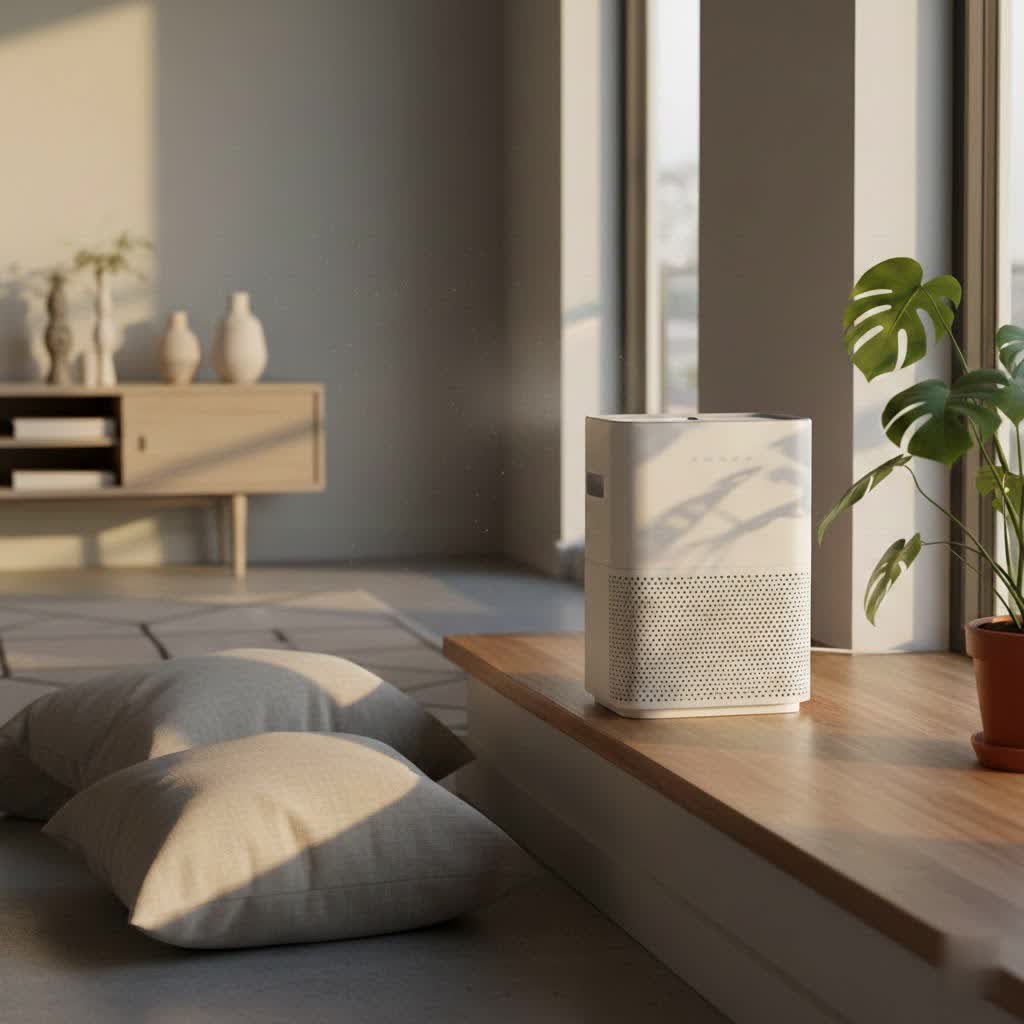
Understanding Basement Humidity: Why it Matters
Basements are inherently prone to humidity issues due to several factors. They are often below ground, absorbing moisture from the surrounding soil. Cooler temperatures in basements can also cause warmer, moist air from upstairs to condense, leading to increased relative humidity. Ignoring these conditions can lead to a cascade of problems.
The primary concerns with a damp basement include the growth of mold and mildew, which can trigger allergies, respiratory issues, and other health problems. Excessive moisture can also cause structural damage to wooden beams, drywall, and insulation, leading to costly repairs. Beyond structural integrity, dampness can damage stored items like furniture, electronics, and documents, while also creating an unpleasant, musty smell that can permeate throughout your entire home. Maintaining an optimal relative humidity (RH) level, ideally between 30% and 50%, is crucial for preventing these issues and ensuring a healthy living environment.
Types of Home Dehumidifiers for Basements
When choosing a dehumidifier, it’s important to understand the different types available and how they operate. Each type has specific advantages and disadvantages, especially concerning basement environments.
Refrigerant (Compressor) Dehumidifiers
These are the most common type of home dehumidifiers. They work much like a refrigerator, drawing in moist air over a set of cold coils. As the air cools, the moisture condenses into water droplets, which are collected in a reservoir or drained away. The now dry, slightly warmed air is then released back into the room.
- Pros: Highly effective in warm, very humid conditions, offering a wide range of moisture removal capacities. They are generally more energy-efficient in typical household temperatures.
- Cons: Less effective in cooler basement temperatures (below 65°F or 18°C), as the coils can frost up, reducing efficiency. They can also be noisy due to the compressor.
|
Our Picks for the Best Home Dehumidifier in 2026
As an Amazon Associate I earn from qualifying purchases.
|
||
| Num | Product | Action |
|---|---|---|
| 1 | Waykar 80 Pints 2025 Energy Star Dehumidifier for Spaces up to 5,000 Sq. Ft for Basement and Home, Large Room with Drain Hose and 1.14 Gallons Water Tank |

|
| 2 | Dehumidifier,TABYIK 35 OZ Small Dehumidifiers for Room for Home, Quiet with Auto Shut Off, Dehumidifiers for Bedroom (280 sq. ft), Bathroom, RV, Closet |
|
| 3 | NineSky Dehumidifiers for Home, 95 OZ Water Tank, (1000 sq.ft) Dehumidifiers for Bathroom Bedroom Basement with Auto Shut Off,7 Colors LED Light(White) |
|
| 4 | 4500 Sq.Ft Most Efficient Energy Star 2025 Dehumidifier,AEOCKY Max 80 Pint/Day Smart Compressor Dehumidifier with Drain Hose, Intelligent Humidistat,for Basement,Bedroom,Home,Bathroom |
|
| 5 | hOmeLabs Dehumidifier for Home, Office, Basements with Powerful Moisture Removal, Humidity Control, Auto Shut-off, Quiet Operation - 7,000 Sq Ft Wi-Fi (50 Pint MAX 120 Pint at 95°F, 90% RH) |
|
| 6 | 2500 Sq.Ft Dehumidifiers for Home with Drain Hose Max 34 Pints, VEAGASO Dehumidifier for Basement, Large Room, Bathroom, Bedroom, Three Modes, Intelligent Humidity Control, Dry Clothes, 24HR Timer |
|
| 7 | Dehumidifier, 98OZ Dehumidifiers for Home(1000sq.ft), Humidity Display Dehumidifier for Basement Bathroom Bedroom, Auto Shut Off, Washable Filter, Drain Hose, Timer, 7 Ambient Lights, White |
|
| 8 | Dehumidifier,95OZ Dehumidifier for Home 1000 Sq.Ft - Quiet with Auto Shut Off & Relaxing 7 Color Ambient Light,Ideal for Livingroom, Bedroom, Basement(Black) |
|
| 9 | 5000 Sq. Ft Dehumidifiers for Home and Basement, Max 95 Pint/Day Dehumidifier with Drain Hose, Compressor Dehumidifier with Humidity Control, 24H Timer & Child Lock, for Bedroom, Large Rooms |
|
| 10 | Waykar 2000 Sq. Ft. 2025 Energy Star Dehumidifier for Home and Basements, with Auto or Manual Drainage, 0.66 Gallon Water Tank Capacity |
|
Desiccant Dehumidifiers
Desiccant dehumidifiers utilize a rotating wheel impregnated with a moisture-absorbing material, such as silica gel. Air is drawn through one section of the wheel, where the desiccant absorbs the moisture. A second air stream then heats another section of the wheel, releasing the absorbed moisture into a collection tank or drainage system.
- Pros: Exceptionally effective in colder environments, making them suitable for unheated basements or crawl spaces where compressor models might struggle. They tend to operate more quietly than compressor units.
- Cons: Often have a lower moisture removal capacity compared to similarly sized compressor models and can be less energy-efficient in warmer, more humid conditions. They may also be more expensive upfront.
Thermo-electric (Peltier) Dehumidifiers
Peltier dehumidifiers use a thermoelectric cooling module, rather than a compressor or desiccant material, to condense moisture from the air. They are typically very compact and operate silently.
- Pros: Extremely quiet and small, making them suitable for very small, enclosed spaces like closets or small storage areas.
- Cons: Have a very limited moisture removal capacity and are generally not powerful enough for even small basements, let alone larger, damp ones. They are rarely recommended for primary basement dehumidification.
Choosing the Right Home Dehumidifier for Your Basement
Selecting the ideal dehumidifier involves considering your specific basement conditions and desired features. A wrong choice can lead to inefficient operation or insufficient moisture removal.
Determining Your Usage Needs
Before looking at models, assess your basement’s unique characteristics:
- Basement Size (Square Footage): This is paramount. A dehumidifier’s capacity is measured in “pints per day” (PPD), indicating how much water it can remove in 24 hours. Undersizing a unit means it will run constantly without effectively reducing humidity.
- Small Basements (up to 500 sq ft): 10-20 PPD
- Medium Basements (500-1500 sq ft): 30-50 PPD
- Large Basements (1500-2500 sq ft): 50-70 PPD
- Very Large Basements (2500+ sq ft): 70+ PPD
- Level of Dampness: Is your basement slightly damp or visibly wet? Add 5-10 PPD to the recommended capacity for very damp or wet conditions.
- Purpose: Are you targeting general humidity, drying laundry, or recovering from a minor flood? Higher PPD units are better for more severe moisture issues.
Essential Features to Look For
Beyond capacity, certain features make a dehumidifier more effective and convenient for basement use:
- Pint Capacity (PPD): As discussed, match this to your basement’s size and humidity level. It’s often better to slightly oversize than undersize.
- Drainage Options:
- Manual Emptying: Water collects in a removable bucket. This requires regular emptying, which can be inconvenient for very damp basements or if you don’t frequent the area.
- Continuous Gravity Drainage: Many units allow you to attach a standard garden hose to drain water directly into a floor drain. This requires the dehumidifier to be elevated above the drain for gravity to work.
- Built-in Pump: The most convenient option for basements. A built-in pump can push collected water upward or horizontally to a sink, window, or more distant drain, eliminating the need for manual emptying or specific elevation. This feature offers true “set-it-and-forget-it” operation, which is invaluable for basements.
- Low-Temperature Operation & Auto-Defrost: Basements are often cooler than other parts of the home. A dehumidifier designed for low-temperature operation (down to 40°F or 4.5°C) and an auto-defrost function will prevent coils from freezing, ensuring continuous and efficient moisture removal even in chilly conditions.
- Humidistat/Automatic Shut-off: A built-in humidistat allows you to set your desired humidity level. The unit will then cycle on and off automatically to maintain this level, saving energy and preventing over-drying.
- Noise Level (dB): If your basement is a living space, a quiet dehumidifier is important. Look for models with decibel ratings in the low 40s or below for minimal disruption.
- Energy Efficiency (Energy Star Rated): Dehumidifiers can consume a fair amount of electricity. An Energy Star certified model will be more efficient, reducing your operating costs over time.
- Smart Features (Wi-Fi, App Control): For remote monitoring and control, smart features are a game-changer. You can check humidity levels, adjust settings, and receive “tank full” alerts directly on your smartphone, especially useful if you don’t visit the basement daily.
- Washable Air Filter: A removable, washable filter helps improve air quality by trapping dust and allergens, and it simplifies maintenance.
- Portability: Wheels and integrated handles make it easier to move heavier units around the basement if needed.
Reputable Brands and Pricing Considerations
While specific models come and go, several brands consistently produce reliable basement dehumidifiers. These include Midea, Homelabs, Honeywell, Frigidaire, Waykar, Dreo, and BLACK+DECKER. Prices vary significantly based on pint capacity, features (especially built-in pumps and smart tech), and brand reputation. Expect to invest more for higher capacity, low-temperature operation, and pump features, which are often worth the extra cost for basement applications.
Top Home Dehumidifier Recommendations for Basements
Based on extensive testing and user reviews, several models consistently stand out for their performance in challenging basement environments.
- Best Overall: Homelabs 50 Pint Dehumidifier with Pump
- Pros: High capacity suitable for large basements (up to 4,500 sq ft), built-in pump for continuous drainage, Wi-Fi connectivity for remote monitoring, and a comfort mode for optimal humidity levels.
- Best for Large Basements: TCL 50-Pint Smart Dehumidifier
- Pros: Powerful moisture removal for expansive areas, durable design, Energy Star certified for efficiency, and smart features for easy control.
- Best Quiet Dehumidifier: Waykar Dehumidifier
- Pros: Operates with minimal noise, making it ideal for basements used as living spaces. Features intelligent humidity control and automatic fan speed adjustment.
- Best Smart Dehumidifier: Midea Cube 50 Pint Dehumidifier
- Pros: Unique space-saving cube design, excellent moisture removal, Wi-Fi enabled with app control, and a large collection tank (some versions include a pump).
- Best Budget Option: Amazon Basics 35 Pint Dehumidifier
- Pros: Effective moisture removal for medium-sized basements at an affordable price point. Simple, user-friendly operation and quick setup.
Operating and Maintaining Your Basement Dehumidifier
Proper operation and regular maintenance are key to maximizing your dehumidifier’s effectiveness and lifespan.
- Optimal Placement: Position your dehumidifier in a central location in your basement, away from walls (at least 6-12 inches) to allow for proper airflow. Avoid placing it in small, enclosed spaces unless it’s a very small capacity unit for that specific area.
- Setting the Humidistat: Aim to set your desired humidity level between 30% and 50% relative humidity. This range is generally considered optimal for preventing mold growth and ensuring comfort without over-drying.
- Drainage Setup: If using a manual bucket, check and empty it regularly. For continuous drainage, ensure the hose is properly connected and angled for gravity flow, or the pump is correctly installed and draining to an appropriate location. Check connections periodically for leaks.
- Regular Cleaning: Clean the air filter at least once a month, or more frequently in dusty environments. Most filters are washable; simply rinse with warm water and let dry completely before reinstalling. Regularly clean the water collection bucket to prevent mold or mildew buildup.
- Winterizing: In very cold climates, if your basement temperature consistently drops below 40°F (4.5°C), it might be best to turn off and store your compressor-based dehumidifier for the winter, unless it’s a desiccant model or specifically rated for extremely low temperatures with robust auto-defrost.
Comparison of Top Home Dehumidifier Models for Basements
| Model Name | Pint Capacity (PPD) | Coverage Area (Sq. Ft.) | Drainage Type | Noise Level (dB) | Smart Features | Key Pros |
|---|---|---|---|---|---|---|
| Homelabs 50 Pint Dehumidifier with Pump | 50 | 4,500 | Built-in Pump | Moderate | Wi-Fi, App | Excellent for large spaces, continuous drainage, smart control. |
| Midea Cube 50 Pint Dehumidifier | 50 | 4,500 | Manual / Gravity / Optional Pump | Quiet | Wi-Fi, App, Voice | Space-saving design, smart control, efficient. |
| Honeywell 50-Pint with Built-in Pump | 50 | 4,000 | Built-in Pump | Moderate | Some have Wi-Fi | Reliable performance, auto-defrost, robust for cold basements. |
| Waykar 2000 Sq. Ft Dehumidifier (35/50 Pint) | 35-50 | 2,000 | Manual / Gravity | Quiet (40-46) | Humidistat | Very quiet operation, intelligent humidity control, good for living spaces. |
Tips for Buying a Dehumidifier on a Budget
A dry basement doesn’t have to break the bank. Here are some tips for finding a quality dehumidifier that fits your budget:
- Prioritize Essential Features: Focus on adequate pint capacity and an appropriate drainage option (especially a pump if needed) rather than all the bells and whistles. Basic models without smart features can still be highly effective.
- Look for Sales and Promotions: Dehumidifiers often go on sale, particularly during off-seasons or around major holidays. Sign up for alerts from retailers to catch the best deals.
- Consider Older Models: Sometimes, previous year’s models are discounted significantly when new versions are released. These can offer similar performance at a lower price.
- Check Refurbished Options: Reputable retailers sometimes offer refurbished units with a warranty. This can be a cost-effective way to get a higher-end model.
- Energy Star Rating: While potentially a slightly higher upfront cost, an Energy Star certified unit will save you money on electricity bills over its lifespan, making it a smart budget choice in the long run.
Common Questions About Basement Dehumidifiers
What is the ideal humidity level for a basement?
The ideal relative humidity for a basement typically ranges between 30% and 50%. Maintaining humidity within this range helps prevent the growth of mold, mildew, and dust mites, and protects your home’s structure and contents.
How often should I empty the dehumidifier’s water tank?
The frequency depends on the dehumidifier’s pint capacity, the basement’s humidity level, and the tank size. In very damp conditions, a smaller tank might need emptying daily. For convenience, consider a unit with continuous drainage or a built-in pump.
Can I use a regular dehumidifier in a cold basement?
Standard compressor dehumidifiers become less efficient and can even freeze up in temperatures below 65°F (18°C). For cold basements, it’s best to choose a unit specifically designed for low-temperature operation or a desiccant dehumidifier, both of which often feature auto-defrost functions.
How much energy does a basement dehumidifier use?
Energy consumption varies by model, capacity, and how often it runs. Look for Energy Star certified dehumidifiers, as these are designed to be more energy-efficient than non-certified models, helping to reduce your electricity bills.
Where is the best place to put a dehumidifier in a basement?
For optimal performance, place your dehumidifier in a central location within the dampest area of your basement, ensuring there’s at least 6-12 inches of space around it for unobstructed airflow. Avoid placing it directly against walls or in cramped corners.
Do I need a dehumidifier with a pump?
A dehumidifier with a built-in pump is highly recommended for basements. It allows for continuous drainage of collected water to an elevated sink, out a window, or to a distant drain, eliminating the need for frequent manual emptying of the water bucket.
Choosing the best home dehumidifier for your basement is a crucial step towards creating a healthier and more comfortable living environment. By understanding your basement’s specific needs, evaluating key features like pint capacity, drainage options, and low-temperature performance, and considering reputable brands, you can effectively combat dampness, eliminate musty odors, and prevent mold. Investing in the right dehumidifier ensures your basement remains dry, protecting your home and enhancing your quality of life. What steps will you take today to make your basement a drier, healthier space?
