Stepping into a damp, musty basement can instantly spoil the comfort of your home. That unmistakable smell, the clammy air, and the lurking threat of mold are all clear indicators of excess humidity. More than just an annoyance, unchecked moisture in your basement can lead to a host of problems, from serious health concerns caused by allergens to costly structural damage that compromises your home’s integrity. If you’ve ever wondered how to effectively combat this persistent foe, a home basement dehumidifier is your ultimate solution. This comprehensive guide will walk you through everything you need to know, from understanding why basements get damp to choosing, using, and maintaining the perfect dehumidifier to transform your lower level into a dry, healthy, and comfortable space.
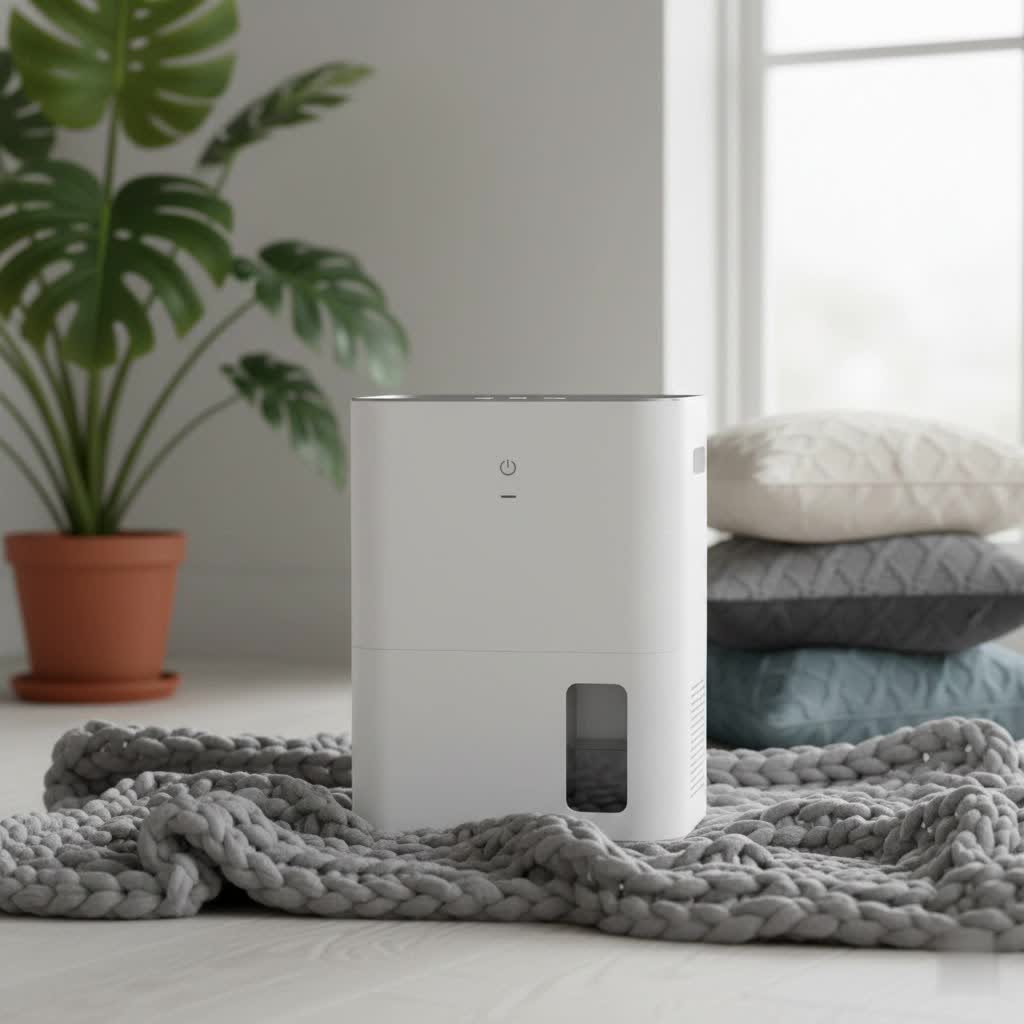
Why Your Basement Needs a Dehumidifier
Basements are inherently prone to high humidity due to their subterranean nature. The surrounding soil retains moisture, which can seep through porous concrete foundations and walls. This effect is often exacerbated by cooler basement temperatures, causing warm, moist air to condense on surfaces, further increasing dampness. Left unaddressed, this excess moisture creates an ideal breeding ground for several undesirable issues that can impact your entire home.
High humidity levels in your basement can trigger the growth of mold and mildew, leading to musty odors that permeate your living spaces. These airborne mold spores and increased dust mites can exacerbate allergies and respiratory problems, making your home a less healthy environment. Beyond health concerns, moisture can severely damage your home’s structure, causing wood beams to rot, foundations to weaken, and even corroding electronics and compromising stored items like furniture, clothing, and important documents. By maintaining an ideal relative humidity level, typically between 40% and 60%, a quality basement dehumidifier safeguards your property and promotes a healthier living atmosphere.
How Home Basement Dehumidifiers Work
Understanding the mechanism behind a home basement dehumidifier is key to appreciating its effectiveness. Most popular models operate on a refrigeration principle, similar to how an air conditioner functions. The process involves several steps to extract moisture from the air:
First, a fan draws the warm, humid air from your basement into the unit. This air then passes over a set of cold, refrigerant-cooled coils. As the moist air comes into contact with these chilly surfaces, the water vapor rapidly condenses into liquid droplets. Think of it like moisture forming on the outside of a cold glass on a hot day. These collected water droplets then drip into a removable collection bucket within the unit or are directed through a hose for continuous drainage.
Once the air has been stripped of its moisture, it passes back over a warmer coil, where it is slightly reheated before being released back into the room. This dry, slightly warmer air then circulates, effectively reducing the overall humidity in your basement and creating a less hospitable environment for moisture-loving contaminants. While refrigerant-based dehumidifiers are the most common, some specialized desiccant dehumidifiers utilize an absorbent material, like silica gel, to draw moisture from the air, often performing better in very low temperatures.
Types of Dehumidifiers for Basements
When considering a home basement dehumidifier, you’ll primarily encounter two main categories, each with specific advantages for different basement scenarios:
Portable (Compressor-Based) Dehumidifiers
|
Our Picks for the Best Home Dehumidifier in 2026
As an Amazon Associate I earn from qualifying purchases.
|
||
| Num | Product | Action |
|---|---|---|
| 1 | Dehumidifier,TABYIK 35 OZ Small Dehumidifiers for Room for Home, Quiet with Auto Shut Off, Dehumidifiers for Bedroom (280 sq. ft), Bathroom, RV, Closet |

|
| 2 | Dehumidifier, 98OZ Dehumidifiers for Home(1000sq.ft), Humidity Display Dehumidifier for Basement Bathroom Bedroom, Auto Shut Off, Washable Filter, Drain Hose, Timer, 7 Ambient Lights, White |
|
| 3 | Waykar 80 Pints 2025 Energy Star Dehumidifier for Spaces up to 5,000 Sq. Ft for Basement and Home, Large Room with Drain Hose and 1.14 Gallons Water Tank |
|
| 4 | 4500 Sq.Ft Most Efficient Energy Star 2025 Dehumidifier,AEOCKY Max 80 Pint/Day Smart Compressor Dehumidifier with Drain Hose, Intelligent Humidistat,for Basement,Bedroom,Home,Bathroom |
|
| 5 | hOmeLabs Dehumidifier for Home, Office, Basements with Powerful Moisture Removal, Humidity Control, Auto Shut-off, Quiet Operation - 7,000 Sq Ft Wi-Fi (50 Pint MAX 120 Pint at 95°F, 90% RH) |
|
| 6 | 5000 Sq. Ft Dehumidifiers for Home and Basement, Max 95 Pint/Day Dehumidifier with Drain Hose, Compressor Dehumidifier with Humidity Control, 24H Timer & Child Lock, for Bedroom, Large Rooms |
|
| 7 | 2500 Sq.Ft Dehumidifiers for Home with Drain Hose Max 34 Pints, VEAGASO Dehumidifier for Basement, Large Room, Bathroom, Bedroom, Three Modes, Intelligent Humidity Control, Dry Clothes, 24HR Timer |
|
| 8 | Waykar 2000 Sq. Ft. 2025 Energy Star Dehumidifier for Home and Basements, with Auto or Manual Drainage, 0.66 Gallon Water Tank Capacity |
|
| 9 | NineSky Dehumidifiers for Home, 95 OZ Water Tank, (1000 sq.ft) Dehumidifiers for Bathroom Bedroom Basement with Auto Shut Off,7 Colors LED Light(White) |
|
| 10 | Dehumidifier,95OZ Dehumidifier for Home 1000 Sq.Ft - Quiet with Auto Shut Off & Relaxing 7 Color Ambient Light,Ideal for Livingroom, Bedroom, Basement(Black) |
|
These are the most common type for residential use and come in various sizes, measured by their pint capacity per day (PPD). Compressor-based units use the refrigeration cycle described above, effectively removing significant amounts of moisture from the air. They are versatile, often equipped with wheels and handles for easy relocation, and are suitable for most damp basement conditions. Many modern portable units include features specifically beneficial for basements, such as low-temperature operation and automatic defrost, which prevent ice buildup on coils in cooler environments.
Whole-House (Ducted) Dehumidifiers
For larger basements or homes where consistent humidity control across multiple levels is desired, a whole-house dehumidifier integrated with your HVAC system might be a better choice. These units are typically installed by professionals and work in conjunction with your existing ductwork to regulate humidity throughout your entire home. They offer superior moisture removal capacity and often require less direct user interaction once installed.
While desiccant dehumidifiers exist, they are less common for entire basements in typical home settings, usually reserved for extremely cold environments or very small, specific areas where refrigerant models might struggle.
Choosing the Right Home Basement Dehumidifier
Selecting the ideal home basement dehumidifier involves more than just picking the first model you see. It requires careful consideration of several factors to ensure it effectively addresses your specific needs.
Determine Basement Size and Humidity Level (Pint Capacity)
The most critical factor is the unit’s capacity, measured in “pints per day” (PPD), indicating how much moisture it can remove within 24 hours. This capacity should align with your basement’s square footage and its level of dampness.
- For moderately damp basements (50-60% humidity):
- Up to 500 sq ft: 10-12 PPD
- Up to 1,000 sq ft: 16-20 PPD
- Up to 1,500 sq ft: 25-30 PPD
- Up to 2,500 sq ft: 35-50 PPD
- Over 2,500 sq ft: 50+ PPD
- For very damp or wet basements (above 60% humidity, visible condensation, musty odors): Increase the PPD rating by 10-20 pints for each size category. For example, a very damp 1,000 sq ft basement might need a 30-40 PPD unit.
Drainage Options
Consider how you want the collected water to be disposed of:
- Manual Emptying: Most portable dehumidifiers come with a collection bucket that needs to be manually emptied when full. This requires frequent attention, especially in very humid environments.
- Continuous Gravity Drainage: Many units allow you to attach a standard garden hose for continuous drainage directly into a nearby floor drain or sink. This eliminates the need for manual emptying.
- Built-in Pump: For basements without a convenient floor drain or if you need to drain water upwards (e.g., into a utility sink or out a window), a dehumidifier with a built-in pump is invaluable. This feature automatically pumps water away, offering maximum convenience.
Essential Features to Look For
Modern home basement dehumidifiers offer a range of features that enhance performance, convenience, and energy efficiency:
- Automatic Humidistat: This feature allows you to set a desired humidity level, and the unit will automatically turn on and off to maintain it, saving energy.
- Automatic Restart: In the event of a power outage, the unit will automatically restart with its previous settings once power is restored.
- Low-Temperature Operation & Automatic Defrost: Basements are often cooler, so a unit capable of operating efficiently in low temperatures (down to 40°F or less) and with an auto-defrost function is crucial to prevent ice buildup on coils.
- Smart Features (Wi-Fi/App Control): Allows for remote monitoring and control via a smartphone app, useful if you don’t frequent your basement daily.
- Adjustable Fan Speeds: Offers flexibility for faster dehumidification or quieter operation.
- Air Filtration System: Some models include a washable air filter that traps dust, pet dander, and other allergens, further improving air quality.
- Quiet Operation: If your basement is a living space, look for models with a lower decibel (dB) rating. Units around 40-50 dB are generally considered quiet.
- Energy Star Certification: Indicates that the unit meets strict energy efficiency guidelines, leading to lower operating costs over time.
- Portability: Wheels and sturdy handles make it easier to move heavier units around the basement or between rooms.
Top Home Basement Dehumidifiers: Expert Picks
Based on performance, features, and user satisfaction, several home basement dehumidifiers consistently stand out in the market. While specific models and prices can fluctuate, these brands and types are frequently recommended for their effectiveness in tackling basement humidity:
- Midea Cube 50-Pint Dehumidifier: Often praised as a top overall pick, the Midea Cube is known for its high capacity, smart features (Wi-Fi connectivity, app control), and innovative stackable design that can save space. It’s excellent for large areas and offers efficient moisture removal.
- hOmeLabs 50 Pint Dehumidifier with Pump: A popular choice for its robust performance in large basements up to 4,500 square feet, often including a built-in pump for continuous drainage and Wi-Fi connectivity for remote monitoring.
- Honeywell 50-Pint Energy Star Portable Dehumidifier: A reliable and durable option, Honeywell models consistently perform well in quickly removing moisture from large rooms. Look for Energy Star certified models for efficient operation.
- Dreo 110-Pint Dehumidifier: For extremely damp or very large basements, a high-capacity unit like the Dreo offers powerful moisture extraction. Many Dreo models come with advanced safety features like child lock and anti-tilt.
- Waykar Dehumidifier (various capacities): Often highlighted for its quiet operation, making it suitable for basements used as living spaces. Waykar also offers budget-friendly options for smaller basements.
- Amazon Basics 35-Pint Dehumidifier: A solid budget-friendly option that provides effective dehumidification for mid-sized basements without breaking the bank, though it may lack some advanced smart features.
When reviewing specific models, always consider their pint capacity, noise levels, drainage options (especially if a pump is needed), and any smart features that align with your lifestyle.
Installation, Usage, and Maintenance Tips
To maximize the effectiveness and longevity of your home basement dehumidifier, proper installation, usage, and routine maintenance are crucial.
Optimal Placement and Settings
Place your dehumidifier in a central location within the basement, away from walls and obstructions, to allow for optimal airflow. Avoid placing it directly next to large water sources like a laundry tub, as this can overwhelm the unit.
Set your desired humidity level using the humidistat. For most basements, a relative humidity between 40% and 50% is ideal. This range effectively prevents mold and mildew growth while maintaining a comfortable environment. Running your dehumidifier continuously may be necessary in very damp conditions, but smart controls or an accurate humidistat will help manage energy consumption by cycling the unit off when the target humidity is met.
Essential Maintenance
Regular maintenance ensures your dehumidifier runs efficiently and has a long lifespan:
- Clean the Air Filter: The air filter should be cleaned regularly, typically every 2-4 weeks, or more often in dusty basements. Most filters are washable; simply rinse with warm, soapy water, let it air dry completely, and then reinsert. A clogged filter restricts airflow and reduces efficiency.
- Empty or Monitor Drainage: If using a manual collection bucket, empty it regularly to prevent overflow and ensure continuous operation. For continuous drainage setups, periodically check the hose for kinks or blockages and ensure the drain area is clear.
- Clean Coils: Over time, dust can accumulate on the evaporator and condenser coils. Refer to your owner’s manual for instructions on how to safely clean them, typically with a soft brush or vacuum.
- Check for Ice Buildup: In cooler basements, ice can form on the coils. While many units have auto-defrost, if you notice ice, manually turn off the unit and allow it to thaw before restarting.
- Winter Storage: If you only use your dehumidifier seasonally, clean it thoroughly, drain all water, and store it in a dry, protected area during the colder months.
Pros and Cons of Basement Dehumidifiers
Like any appliance, home basement dehumidifiers come with their own set of advantages and considerations.
Advantages:
- Mold and Mildew Prevention: The primary benefit, significantly reducing the risk of unhealthy and damaging fungal growth.
- Improved Air Quality: Eliminates musty odors, reduces dust mites, and removes mold spores, leading to healthier air.
- Structural Protection: Safeguards wood, foundations, and other building materials from moisture damage.
- Preservation of Belongings: Protects stored items like clothing, electronics, and documents from humidity-related deterioration.
- Enhanced Comfort: Creates a more comfortable living environment by eliminating sticky, damp air.
- Potential Energy Savings: Drier air feels cooler, potentially allowing you to set your air conditioning higher and making your HVAC system work more efficiently.
Considerations:
- Energy Consumption: Dehumidifiers consume electricity. While Energy Star models are efficient, continuous operation will impact your utility bill.
- Initial Cost: Quality dehumidifiers represent an upfront investment, though the long-term benefits often outweigh this cost.
- Maintenance: Manual bucket emptying and filter cleaning require regular attention.
- Noise Level: Some units can be noisy, which might be a concern if the basement is a frequently used living space.
Frequently Asked Questions
What is the ideal humidity level for a basement?
The ideal relative humidity level for a basement is typically between 40% and 50%. This range is low enough to prevent mold and mildew growth while still being comfortable for inhabitants and safe for structural integrity.
How often should I run my basement dehumidifier?
In consistently humid basements, it’s often recommended to run your dehumidifier continuously. However, if your unit has an automatic humidistat, it will cycle on and off as needed to maintain your set humidity level, optimizing energy use.
Can a basement dehumidifier help with allergies?
Yes, a basement dehumidifier can significantly help with allergies by reducing the moisture levels that allow common allergens like mold spores, mildew, and dust mites to thrive. By creating a drier environment, you reduce their presence, leading to improved indoor air quality and fewer allergy triggers.
What size dehumidifier do I need for my basement?
The size of the dehumidifier (its pint capacity) depends on your basement’s square footage and how damp it is. A general rule is to start with a 10-12 pint unit for a 500 sq ft moderately damp basement and add 4-5 pints for every additional 500 sq ft. Increase capacity if your basement is very damp or wet.
Are basement dehumidifiers expensive to run?
The running cost of a basement dehumidifier depends on its capacity, efficiency (look for Energy Star models), and how often it runs. While they do consume electricity, they can indirectly save money by making your home feel cooler, reducing the need for air conditioning, and preventing costly mold damage and structural repairs.
Conclusion
A home basement dehumidifier is more than just an appliance; it’s an investment in the health, comfort, and longevity of your entire home. By actively removing excess moisture, these units eliminate the conditions favorable for mold, mildew, dust mites, and musty odors, transforming your basement from a damp, neglected space into a dry, healthy extension of your living environment. From safeguarding your family’s health by improving air quality to protecting your home’s structural integrity and your cherished belongings, the benefits are undeniable.
Choosing the right dehumidifier involves understanding your basement’s specific needs, considering critical factors like pint capacity, drainage options, and smart features, and committing to simple, routine maintenance. With the right home basement dehumidifier in place, you can finally breathe easier, live drier, and enjoy a truly comfortable home from the ground up. What steps will you take today to reclaim your basement from excessive humidity?
