Have you ever walked into a room and felt a heavy, muggy air that makes you instantly uncomfortable? Perhaps you’ve noticed a persistent musty odor, condensation on windows, or even the unwelcome sight of mold creeping into corners. These are all tell-tale signs of excess humidity in your living space – an invisible problem with tangible consequences. A home dehumidifier isn’t just another appliance; it’s a vital tool for creating a drier, healthier, and more comfortable environment. This comprehensive guide will walk you through everything you need to know, from understanding why you need a dehumidifier to choosing, using, and maintaining the perfect one for your home.
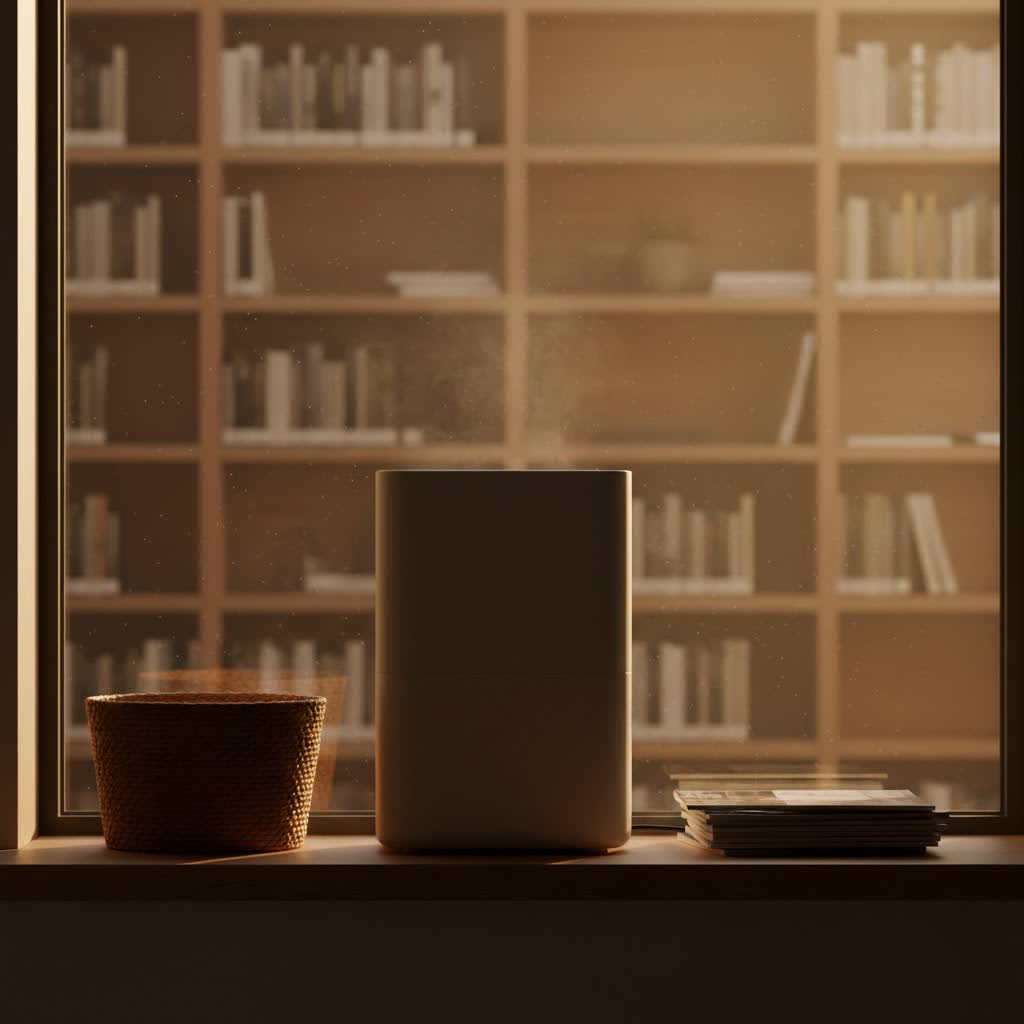
Understanding Home Dehumidifiers: Why You Need One
High humidity levels indoors can silently undermine your comfort, health, and even the structural integrity of your home. When the air holds too much moisture, it creates an ideal breeding ground for allergens and contaminants, and makes your home feel warmer and stickier than it actually is.
Signs You Need a Dehumidifier:
- Unpleasant Odors: A persistent musty or damp smell, especially in basements or closets.
- Visible Mold or Mildew: Dark spots on walls, ceilings, fabrics, or around windows.
- Condensation: Foggy windows, sweating pipes, or dampness on cold surfaces.
- Allergy & Respiratory Issues: Increased symptoms for those with allergies, asthma, or other respiratory conditions, as dust mites and mold thrive in humid air.
- Sticky or Clammy Feeling: Your skin feels perpetually damp, and clothes take longer to dry.
- Damaged Property: Peeling paint, wallpaper lifting, warping wood floors or furniture, and even corrosion on electronics.
- Increased Pests: Silverfish, cockroaches, and spiders are drawn to damp environments.
The ideal indoor relative humidity (RH) typically falls between 30% and 50%. Maintaining this balance not only enhances your comfort but also safeguards your belongings and promotes better air quality, making a home dehumidifier an invaluable asset.
Types of Home Dehumidifiers: Finding Your Match
Dehumidifiers come in various types, each suited for different conditions and needs. Understanding how they work will help you choose the most effective solution for your home.
Refrigerant (Compressor) Dehumidifiers
These are the most common type of dehumidifier and operate similarly to a refrigerator or air conditioner.
- How They Work: A fan draws humid air over a set of cold coils. As the air cools, the moisture in it condenses into water droplets, which are collected in a reservoir. The now-drier air is then reheated and released back into the room.
- Pros: Highly effective at removing large volumes of moisture, especially in warmer, humid environments (typically above 65°F or 18°C). They are rated by their “pints per day” (PPD) capacity, indicating how much moisture they can remove in 24 hours.
- Cons: Less efficient in cooler temperatures, as the coils can frost over. They can also be noisier than other types due to the compressor and fan.
|
Our Picks for the Best Home Dehumidifier in 2026
As an Amazon Associate I earn from qualifying purchases.
|
||
| Num | Product | Action |
|---|---|---|
| 1 | 4500 Sq.Ft Most Efficient Energy Star 2025 Dehumidifier,AEOCKY Max 80 Pint/Day Smart Compressor Dehumidifier with Drain Hose, Intelligent Humidistat,for Basement,Bedroom,Home,Bathroom |

|
| 2 | Waykar 2000 Sq. Ft. 2025 Energy Star Dehumidifier for Home and Basements, with Auto or Manual Drainage, 0.66 Gallon Water Tank Capacity |
|
| 3 | NineSky Dehumidifiers for Home, 95 OZ Water Tank, (1000 sq.ft) Dehumidifiers for Bathroom Bedroom Basement with Auto Shut Off,7 Colors LED Light(White) |
|
| 4 | 2500 Sq.Ft Dehumidifiers for Home with Drain Hose Max 34 Pints, VEAGASO Dehumidifier for Basement, Large Room, Bathroom, Bedroom, Three Modes, Intelligent Humidity Control, Dry Clothes, 24HR Timer |
|
| 5 | hOmeLabs Dehumidifier for Home, Office, Basements with Powerful Moisture Removal, Humidity Control, Auto Shut-off, Quiet Operation - 7,000 Sq Ft Wi-Fi (50 Pint MAX 120 Pint at 95°F, 90% RH) |
|
| 6 | Dehumidifier,TABYIK 35 OZ Small Dehumidifiers for Room for Home, Quiet with Auto Shut Off, Dehumidifiers for Bedroom (280 sq. ft), Bathroom, RV, Closet |
|
| 7 | Dehumidifier, 98OZ Dehumidifiers for Home(1000sq.ft), Humidity Display Dehumidifier for Basement Bathroom Bedroom, Auto Shut Off, Washable Filter, Drain Hose, Timer, 7 Ambient Lights, White |
|
| 8 | Dehumidifier,95OZ Dehumidifier for Home 1000 Sq.Ft - Quiet with Auto Shut Off & Relaxing 7 Color Ambient Light,Ideal for Livingroom, Bedroom, Basement(Black) |
|
| 9 | Waykar 80 Pints 2025 Energy Star Dehumidifier for Spaces up to 5,000 Sq. Ft for Basement and Home, Large Room with Drain Hose and 1.14 Gallons Water Tank |
|
| 10 | 5000 Sq. Ft Dehumidifiers for Home and Basement, Max 95 Pint/Day Dehumidifier with Drain Hose, Compressor Dehumidifier with Humidity Control, 24H Timer & Child Lock, for Bedroom, Large Rooms |
|
Desiccant Dehumidifiers
Desiccant dehumidifiers utilize a different principle for moisture removal, making them ideal for specific scenarios.
- How They Work: Instead of cooling coils, these units use a rotating wheel coated with a hydrophilic material, such as silica gel, which naturally absorbs moisture from the air. A portion of the wheel is then heated to release the absorbed moisture, which is collected in a tank.
- Pros: Exceptionally efficient in cooler temperatures (below 65°F or 18°C), making them perfect for unheated basements, garages, or colder climates. They generally operate more quietly than compressor models.
- Cons: Typically have a lower moisture removal capacity (PPD) compared to compressor units of similar size, and can consume more energy in warmer conditions.
Thermoelectric (Peltier) Dehumidifiers
These compact units are designed for very small, localized humidity problems.
- How They Work: Utilizing the Peltier effect, these dehumidifiers pass humid air over two plates made from different alloys. The temperature difference between the plates causes moisture to condense, which is then collected.
- Pros: Extremely quiet due to the lack of a compressor, and very compact, allowing for placement in tight spaces.
- Cons: Very low moisture removal capacity, making them suitable only for small areas like closets, RVs, or small bathrooms. They are not effective for larger rooms or significant humidity issues.
Whole-Home Dehumidifiers
For comprehensive humidity control across your entire house, a whole-home dehumidifier is often the most effective solution.
- How They Work: These systems are typically integrated directly into your home’s HVAC (heating, ventilation, and air conditioning) system or operate as a dedicated standalone unit connected to ductwork. They work in conjunction with your existing airflow to maintain consistent humidity levels throughout every room.
- Pros: Provide uniform humidity control, are generally more energy-efficient for large spaces than multiple portable units, and require less frequent maintenance as they often drain automatically. They also operate quietly as they are typically installed out of sight.
- Cons: Higher initial installation cost and often require professional installation.
Choosing the Right Home Dehumidifier: Key Factors to Consider
Selecting the ideal home dehumidifier involves more than just picking the first model you see. Consider these crucial factors to ensure you get a unit that perfectly matches your needs.
Determine Your Needs
Before diving into models, assess the specific problem you’re trying to solve:
- Area Size: How large is the space you want to dehumidify? (e.g., a single bedroom, a damp basement, or your entire home).
- Humidity Level: Is the area moderately damp (just a sticky feeling) or extremely wet (standing water, visible mold)?
- Purpose: Are you targeting general comfort, preventing mold, drying laundry, or safeguarding valuables?
Capacity (Pints Per Day – PPD)
The capacity, measured in pints per day (PPD), indicates how much moisture a dehumidifier can remove from the air in 24 hours. This is the most critical factor and should be matched to your room size and humidity level.
| Room Size (Square Feet) | Moderately Damp (PPD) | Very Damp (PPD) | Extremely Wet (PPD) |
|---|---|---|---|
| Up to 500 | 10-14 | 15-20 | 25-30 |
| 500-1,000 | 15-20 | 20-25 | 30-35 |
| 1,000-1,500 | 20-25 | 25-30 | 40-50 |
| 1,500-2,000 | 30-35 | 35-40 | 50-60 |
| 2,000-2,500 | 40-45 | 45-50 | 60-70 |
| Over 2,500 | 50+ | 60+ | 70+ (whole-home) |
- General Rule: If your home is particularly humid, poorly insulated, or located in a very wet climate, it’s often better to opt for a higher-capacity unit.
Drainage Options
How you’ll handle the collected water is a significant consideration for convenience.
- Manual Bucket: Most portable units have a removable bucket that needs to be emptied when full. Larger tanks mean less frequent emptying.
- Continuous Gravity Drain: Many dehumidifiers allow you to attach a hose for continuous drainage into a floor drain, sink, or sump pump. This requires the dehumidifier to be placed above the drain point.
- Built-in Pump: Some advanced models include a built-in pump that can push water vertically or horizontally to a drain, offering greater flexibility in placement. This is especially useful for basements without floor drains.
Noise Level
Dehumidifiers produce some noise during operation. If the unit will be in a living area, bedroom, or home office, a quiet model is essential. Noise levels are typically measured in decibels (dB); look for models rated below 50 dB for quieter performance. Desiccant and thermoelectric units are generally quieter, but many compressor models have also been engineered for low noise.
Energy Efficiency
Dehumidifiers run for extended periods, so energy efficiency is crucial for keeping electricity bills down. Look for:
- ENERGY STAR® Certification: This label indicates that the product meets strict energy efficiency guidelines set by the EPA, signifying it uses less energy to do the same job.
- Energy Factor (EF): This metric measures how many liters of water a unit removes per kilowatt-hour (kWh) of electricity used. A higher EF indicates better efficiency.
Smart Features & Controls
Modern home dehumidifiers offer a range of features that enhance convenience and effectiveness.
- Built-in Humidistat: Allows you to set a target humidity level, and the unit will automatically turn on and off to maintain it.
- Auto Shut-off: The unit automatically turns off when the water bucket is full or when the target humidity is reached, preventing overflows.
- Timers: Program the dehumidifier to operate only during specific hours.
- Multiple Fan Speeds: Offers control over noise levels and moisture removal speed.
- Washable/Reusable Filters: Important for maintaining air quality and unit efficiency.
- Smart Features (Wi-Fi, App Control, Voice Assistant Integration): Allows you to monitor and control the dehumidifier remotely from your smartphone or integrate it with smart home systems.
Portability & Design
Consider how easily you need to move the unit. Features like sturdy wheels, integrated handles, and a compact or stackable design (like some “cube” models) can make a big difference, especially if you plan to use it in multiple rooms.
Top-Rated Home Dehumidifiers: A Glimpse at Popular Choices
The market offers a wide array of high-quality home dehumidifiers, many consistently earning top marks for performance and features. Brands like Honeywell, Midea, Frigidaire, and TCL frequently appear on “best of” lists.
- For Large Spaces: Many 50-pint models from brands like Honeywell, TCL, and Frigidaire are highly rated for their ability to quickly and effectively remove moisture from areas up to 4,500 square feet, often featuring built-in pumps for continuous drainage.
- For Compactness & Smart Features: The Midea Cube series (available in various pint capacities) is often praised for its unique stackable design for easy storage and smart Wi-Fi capabilities, allowing remote monitoring and control.
- For Basements: Units with built-in pumps and robust moisture removal capabilities are preferred, with models from Homelabs and Honeywell often recommended for their effectiveness in damp basement environments.
- For Bedrooms/Quiet Operation: Smaller capacity units or specific models designed for low noise are ideal, ensuring a peaceful environment while effectively managing humidity.
When considering a purchase, look for recent reviews that highlight real-world performance, energy efficiency, noise levels, and user-friendly features like easy-to-empty buckets or reliable continuous drainage options.
Maximizing Your Home Dehumidifier’s Performance: Usage and Maintenance Tips
To ensure your home dehumidifier operates efficiently and has a long lifespan, proper usage and regular maintenance are key.
Effective Usage
- Strategic Placement: Place your dehumidifier in the most humid areas of your home, such as basements, crawl spaces, laundry rooms, or poorly ventilated rooms. Ensure it has at least 6-12 inches of clearance from walls and furniture to allow for proper airflow.
- Close Windows and Doors: For the dehumidifier to work effectively, close all windows and doors in the room where it’s operating to prevent humid outdoor air from entering.
- Set Optimal Humidity: Aim for a relative humidity level between 30% and 50%. A built-in humidistat will help the unit maintain this automatically.
- Continuous Drainage: If possible, utilize a continuous drainage option (hose to a drain or built-in pump) to avoid frequent manual emptying, especially for high-capacity units or in very damp areas.
Essential Maintenance
- Clean the Air Filter: The air filter traps dust and debris, which can impede performance and air quality. Check and clean or replace the filter every 2-4 weeks, or as recommended by the manufacturer. Most are washable with warm, soapy water.
- Empty and Clean the Water Bucket: Regularly empty the water collection bucket. Periodically clean it with a mild detergent or a diluted bleach solution to prevent mold, mildew, and bacterial growth.
- Clean Coils (for Compressor Units): Over time, dust can accumulate on the cooling coils. Consult your manual for safe cleaning procedures, usually involving a soft brush or vacuum cleaner.
- Check Drainage Hose: If using continuous drainage, ensure the hose is free of kinks, blockages, or mold growth to prevent water backup.
- Store Properly (Off-Season): If storing your dehumidifier for an extended period, ensure it’s thoroughly cleaned and dried, especially the water tank, to prevent mold and unpleasant odors.
Following these tips will help your home dehumidifier effectively combat excess moisture, improve your indoor air quality, and contribute to a more comfortable living environment for years to come.
Frequently Asked Questions About Home Dehumidifiers
What is the ideal humidity level for a home?
The ideal indoor relative humidity level is generally between 30% and 50%. Maintaining humidity within this range helps prevent mold growth, dust mites, and other moisture-related problems, while also ensuring optimal comfort for occupants.
Do dehumidifiers use a lot of electricity?
The energy consumption of a dehumidifier varies by its capacity and efficiency. Modern ENERGY STAR® certified models are designed to be more energy-efficient, often consuming less power than older units. While they do use electricity, the benefits of improved air quality and property protection often outweigh the operational costs.
Can a dehumidifier help with allergies?
Yes, a dehumidifier can significantly help allergy sufferers. By reducing humidity levels, it inhibits the growth of common allergens such as dust mites and mold, both of which thrive in moist environments. Lowering their presence in the air can lead to a noticeable reduction in allergy and asthma symptoms.
Where is the best place to put a dehumidifier?
The best placement for a dehumidifier is in the most humid area of your home. This is often a basement, crawl space, laundry room, or any room with persistent dampness, poor ventilation, or visible condensation. Ensure the unit has adequate space around it for proper airflow.
