Humidity can silently wreak havoc on your home, fostering mold growth, triggering allergies, and creating an uncomfortable, clammy environment. A reliable home dehumidifier is your shield against this unseen adversary, and GE models, readily available at Home Depot, offer a range of solutions designed to restore balance to your indoor air. Whether you’re battling a perpetually damp basement or aiming to enhance the air quality in your living spaces, selecting the right GE dehumidifier can transform your home into a sanctuary of dry comfort. This comprehensive guide will walk you through everything you need to know, from understanding different types to choosing the perfect model for your needs and maintaining it for years of optimal performance.
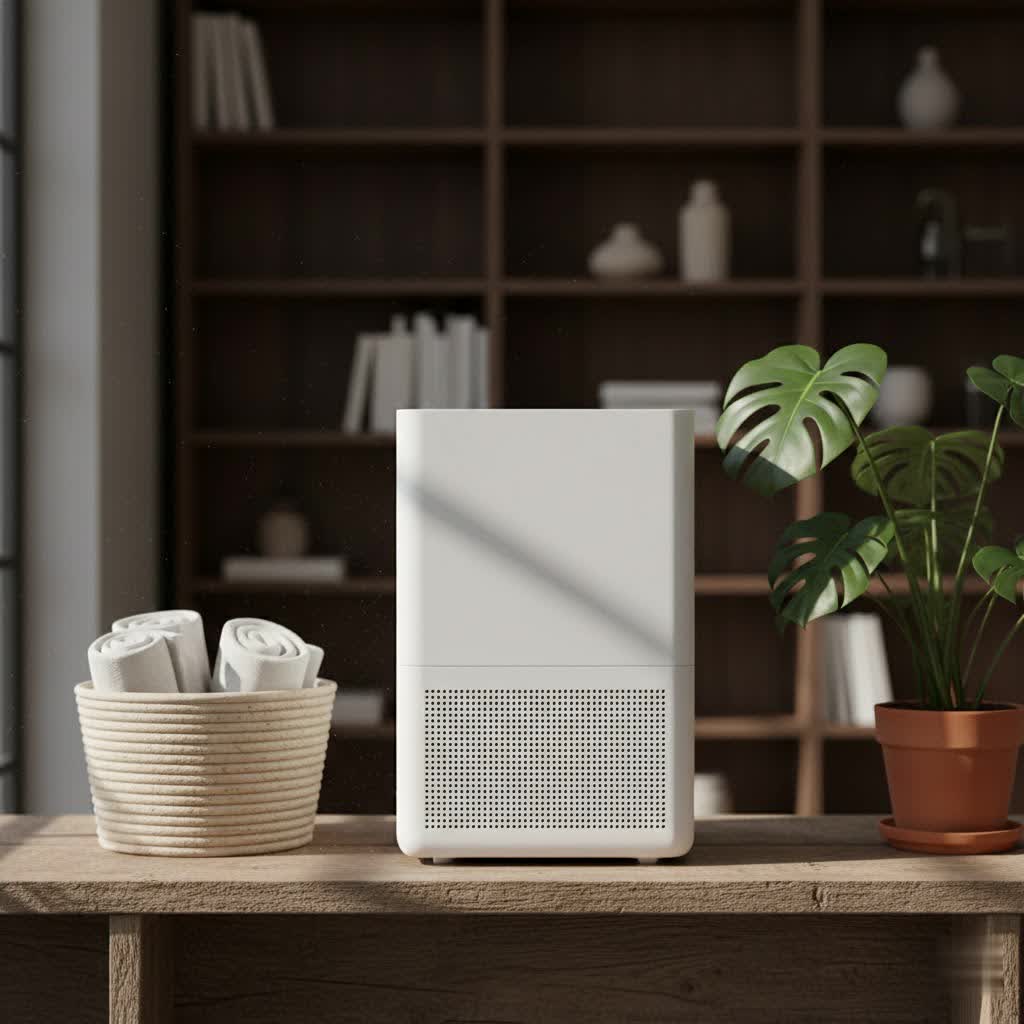
Home Dehumidifiers: A Comprehensive Solution for Dry Living Spaces
Maintaining optimal humidity levels in your home is crucial for comfort, health, and protecting your property. High humidity can lead to a host of problems, including musty odors, mildew, damaged wooden furniture, and even structural issues. GE dehumidifiers provide an effective way to control moisture, creating a healthier and more comfortable environment for everyone.
Popular Types of Home Dehumidifiers
Dehumidifiers generally fall into a few primary categories, each suited for different conditions and preferences. Understanding their operational principles, advantages, and disadvantages is key to making an informed choice for your home.
- Refrigerant (Compressor) Dehumidifiers: These are the most common type and work similarly to a refrigerator.
- How they work: Humid air is drawn over a cold coil. The moisture in the air condenses into water droplets, which are collected in a bucket or drained away. The now dry, cool air is then reheated and released back into the room.
- Pros: Highly effective in warm, humid conditions (above 65°F / 18°C), generally more energy-efficient than desiccant models in ideal temperatures, and suitable for large areas.
- Cons: Less effective in cooler environments (below 65°F / 18°C) as coils can freeze, tend to be heavier and noisier than desiccant models.
- Desiccant Dehumidifiers: These models utilize a desiccant material, often silica gel, to absorb moisture from the air.
- How they work: Air passes through a rotor coated with desiccant material. The desiccant absorbs the moisture. A separate stream of heated air then regenerates the desiccant by drying it out, and this humid exhaust air is vented away.
- Pros: Excellent performance in cooler temperatures (below 60°F / 15°C), operate quietly, lighter, and often more compact.
- Cons: Less energy-efficient than refrigerant models in warmer conditions, may consume more electricity due to the heating element required for desiccant regeneration.
- Thermoelectric (Peltier) Dehumidifiers: Primarily found in smaller, mini dehumidifier units.
- How they work: They use the Peltier effect, where a current passes through a junction of two different materials, creating a temperature difference. One side gets cold, causing condensation.
- Pros: Very quiet operation, compact size, energy-efficient for very small spaces.
- Cons: Extremely low moisture removal capacity, only suitable for very small areas like closets or RVs, ineffective for damp rooms or basements. GE primarily offers refrigerant-type dehumidifiers for home use.
|
Our Picks for the Best Home Dehumidifier in 2026
As an Amazon Associate I earn from qualifying purchases.
|
||
| Num | Product | Action |
|---|---|---|
| 1 | 2500 Sq.Ft Dehumidifiers for Home with Drain Hose Max 34 Pints, VEAGASO Dehumidifier for Basement, Large Room, Bathroom, Bedroom, Three Modes, Intelligent Humidity Control, Dry Clothes, 24HR Timer |

|
| 2 | Waykar 2000 Sq. Ft. 2025 Energy Star Dehumidifier for Home and Basements, with Auto or Manual Drainage, 0.66 Gallon Water Tank Capacity |
|
| 3 | 4500 Sq.Ft Most Efficient Energy Star 2025 Dehumidifier,AEOCKY Max 80 Pint/Day Smart Compressor Dehumidifier with Drain Hose, Intelligent Humidistat,for Basement,Bedroom,Home,Bathroom |
|
| 4 | hOmeLabs Dehumidifier for Home, Office, Basements with Powerful Moisture Removal, Humidity Control, Auto Shut-off, Quiet Operation - 7,000 Sq Ft Wi-Fi (50 Pint MAX 120 Pint at 95°F, 90% RH) |
|
| 5 | Waykar 80 Pints 2025 Energy Star Dehumidifier for Spaces up to 5,000 Sq. Ft for Basement and Home, Large Room with Drain Hose and 1.14 Gallons Water Tank |
|
| 6 | Dehumidifier,95OZ Dehumidifier for Home 1000 Sq.Ft - Quiet with Auto Shut Off & Relaxing 7 Color Ambient Light,Ideal for Livingroom, Bedroom, Basement(Black) |
|
| 7 | 5000 Sq. Ft Dehumidifiers for Home and Basement, Max 95 Pint/Day Dehumidifier with Drain Hose, Compressor Dehumidifier with Humidity Control, 24H Timer & Child Lock, for Bedroom, Large Rooms |
|
| 8 | Dehumidifier, 98OZ Dehumidifiers for Home(1000sq.ft), Humidity Display Dehumidifier for Basement Bathroom Bedroom, Auto Shut Off, Washable Filter, Drain Hose, Timer, 7 Ambient Lights, White |
|
| 9 | NineSky Dehumidifiers for Home, 95 OZ Water Tank, (1000 sq.ft) Dehumidifiers for Bathroom Bedroom Basement with Auto Shut Off,7 Colors LED Light(White) |
|
| 10 | Dehumidifier,TABYIK 35 OZ Small Dehumidifiers for Room for Home, Quiet with Auto Shut Off, Dehumidifiers for Bedroom (280 sq. ft), Bathroom, RV, Closet |
|
Detailed Comparison of Dehumidifier Types
Here’s a quick comparison of the main types of dehumidifiers to help you visualize their differences:
| Feature | Refrigerant (Compressor) | Desiccant | Thermoelectric (Peltier) |
|---|---|---|---|
| Moisture Removal | High | Medium to High | Very Low |
| Optimal Temperature | Above 65°F (18°C) | Below 60°F (15°C) | Any (but only for tiny spaces) |
| Energy Consumption | Moderate (efficient in warm temps) | Higher (due to heating element) | Very Low (for minimal output) |
| Noise Level | Moderate to Loud | Quiet | Silent |
| Size & Weight | Medium to Large, Heavier | Medium, Lighter | Very Small, Light |
| Typical Application | Basements, large damp rooms, garages | Cold basements, unheated spaces, workshops | Closets, gun safes, small cabinets |
| GE Offerings at HD | Primarily this type (22, 35, 50-pint models) | Limited to none | None for residential main use |
How to Choose the Right Home Dehumidifier
Selecting the ideal GE dehumidifier from Home Depot requires careful consideration of your specific needs and environmental factors.
-
Assess Your Usage Needs:
- Room Size: Measure the square footage of the area you intend to dehumidify. Dehumidifiers are rated in “pints per day” (PPD), indicating how much moisture they can remove.
- Humidity Level: Is the room slightly damp, very damp, or wet? A visibly wet basement will require a higher PPD unit than a slightly humid bedroom.
- Purpose: Are you primarily looking to dry out a basement, prevent mold in a garage, or make a living area more comfortable? Some models offer specific modes like continuous drainage for unattended operation in basements.
-
Dehumidification Capacity (Pints per Day): This is the most critical factor. GE offers models ranging from 22-pint to 50-pint units.
- 20-25 Pints: Ideal for small damp rooms (up to 1,500 sq. ft.) with light humidity.
- 30-35 Pints: Suitable for medium to large damp rooms (up to 3,000-3,500 sq. ft.) or moderately wet basements.
- 50 Pints: Designed for very damp or wet rooms (up to 4,500-5,000 sq. ft.), often basements, garages, or large open-plan areas with significant moisture issues.
- Tip: If in doubt, opt for a slightly higher capacity. An oversized unit will run less frequently, potentially saving energy and extending its lifespan.
-
Key Features to Look For: GE dehumidifiers often come equipped with smart features that enhance convenience and efficiency.
- Smart Dry Technology: This feature automatically compares the set humidity level with the actual room humidity and adjusts the fan speed accordingly, optimizing performance and energy use.
- Continuous Drain Option: Essential for basements or areas where you don’t want to manually empty the bucket. GE units often include a connection for a standard garden hose for gravity drainage, and some models feature a built-in pump to discharge water upward or over a longer distance to a sink or drain.
- Auto Shut-Off & Full Bucket Indicator: The unit automatically turns off when the water bucket is full, preventing overflows. An indicator light or alarm will notify you when it’s time to empty.
- Auto Defrost: Prevents freezing of coils in cooler environments, allowing the unit to operate effectively at lower temperatures.
- Auto Restart: After a power outage, the unit will automatically restart with its previous settings once power is restored.
- Timer: Allows you to program the unit to turn on or off at specific times.
- Washable Air Filter: Easy to clean and maintain, helping to keep the air fresh and the unit running efficiently.
- Portability: Look for features like easy-roll wheels and integrated handles, which are standard on most GE portable dehumidifiers, making them easy to move between rooms.
-
Noise Level (dB): If the dehumidifier will be in a living area or bedroom, noise is a significant concern. Most GE models operate at moderate noise levels, similar to a refrigerator. Check product specifications for decibel ratings if quiet operation is a priority. Generally, lower fan speeds produce less noise.
-
Brand Reputation and Price: GE is a well-established brand in home appliances, known for reliability. Home Depot frequently offers GE dehumidifiers, often with sales or promotional pricing. Compare models based on features, capacity, and customer reviews to find the best value within your budget. While a lower price might be tempting, investing in a unit with better features and a solid warranty can save you money and headaches in the long run.
Top GE Dehumidifiers at Home Depot
GE offers a range of dehumidifiers at Home Depot, designed for various room sizes and dampness levels. While specific models may vary by availability, here are common types and their benefits:
-
GE 22-Pint Dehumidifier:
- Ideal for: Smaller rooms, bedrooms, offices, or mildly damp areas up to 1,500 sq. ft.
- Features: Often includes Smart Dry technology, two fan speeds, a removable front-access bucket, and continuous drain option.
- Pros: Compact, relatively quiet for its capacity, energy-efficient for smaller spaces.
- Cons: Limited capacity for very damp or large rooms.
-
GE 35-Pint Dehumidifier (e.g., ADHL35LA or similar):
- Ideal for: Medium to large rooms, basements, or garages up to 3,000-3,500 sq. ft.
- Features: Smart Dry, three fan speeds, often Wi-Fi enabled for remote control, continuous drain option, and a durable design.
- Pros: Good balance of capacity and portability, effective for most household dampness issues, smart features enhance convenience.
- Cons: May require more frequent bucket emptying in very wet conditions if not using continuous drain.
-
GE 50-Pint Dehumidifier (e.g., APHL50LBW1 or similar):
- Ideal for: Very damp or wet basements, large open-plan areas, or garages up to 4,500-5,000 sq. ft.
- Features: High capacity, Smart Dry, multiple fan speeds, often comes with a built-in pump for easy continuous drainage to a sink or elevated drain, Wi-Fi connectivity.
- Pros: Powerful moisture removal, ideal for challenging environments, built-in pump is a major convenience for basements, Energy Star certified for efficiency.
- Cons: Larger footprint and generally heavier than smaller models, higher initial cost.
When browsing Home Depot, pay attention to the exact model numbers, as features like Wi-Fi or built-in pumps can vary. Customer reviews on Home Depot’s website are also an invaluable resource for real-world performance insights and durability feedback.
How to Use and Maintain Your GE Dehumidifier
Proper usage and regular maintenance will ensure your GE dehumidifier operates efficiently and lasts longer.
-
Effective and Safe Usage:
- Placement: Position the dehumidifier in the center of the dampest room, away from walls (at least 6-12 inches) to allow for optimal airflow. Keep windows and doors closed in the room where it’s operating.
- Initial Setup: When unboxing, remember that caster wheels are typically stored inside the water bucket. Install them before operation. Crucially, do not remove the styrofoam float from the water bucket; it’s essential for the auto shut-off function and is not part of the packaging.
- Setting Humidity Levels: Most experts recommend maintaining indoor humidity between 40-60%. Use the digital humidistat to set your desired level. The “Smart Dry” feature will then manage operation to achieve this.
- Continuous Drainage: If available, utilize the continuous drain option with a garden hose (for gravity drainage) or the built-in pump (for elevated drainage) to avoid frequent bucket emptying, especially in basements. Ensure the hose is kink-free and properly sloped for gravity drain models.
- Emptying the Bucket: When the bucket is full, the unit will shut off and typically alert you. GE designs allow for extra water to drip into the bucket before notifying you it’s full, reducing spills during removal. Empty the water carefully.
-
Regular Cleaning and Maintenance:
- Clean the Air Filter: The most important maintenance task. Your GE dehumidifier will likely have a “clean filter” alert. Remove the filter (usually a slide-out tray at the back), wash it with warm, soapy water, rinse thoroughly, and let it air dry completely before reinserting. Do this every 250 hours of operation or at least once a month, more frequently in dusty environments. A clean filter ensures maximum efficiency and prevents compressor strain.
- Clean the Water Bucket: Periodically clean the water collection bucket to prevent mold or mildew growth. Use a mild detergent and rinse well.
- Inspect Coils: Over time, coils can accumulate dust. If accessible, gently brush or vacuum dust off the coils.
- Store Properly: If storing the unit for an extended period, ensure it’s completely dry, clean the filter and bucket, and store it upright in a dry place.
Comparison Table: Popular GE Dehumidifier Models (Example)
Below is an illustrative comparison of typical GE dehumidifier models you might find at Home Depot. Note that features and exact pricing can vary.
| Model Feature | GE 22-Pint (ADHL22LA) | GE 35-Pint (ADHL35LA) | GE 50-Pint (APHL50LBW1) |
|---|---|---|---|
| Capacity (PPD) | 22 Pints | 35 Pints | 50 Pints |
| Room Size (Sq. Ft.) | Up to 1,500 | Up to 3,500 | Up to 4,500-5,000 |
| Smart Dry | Yes | Yes | Yes |
| Fan Speeds | 2 | 3 | 3 |
| Continuous Drain | Garden Hose | Garden Hose | Built-in Pump & Hose |
| Wi-Fi Enabled | No | Often Yes | Often Yes |
| Energy Star | Yes | Yes | Yes |
| Auto Shut-Off | Yes | Yes | Yes |
| Auto Defrost | Yes | Yes | Yes |
| Approx. Price Range | $170 – $200 | $200 – $250 | $250 – $350 |
Prices are estimates and subject to change based on retailer, promotions, and specific model variations.
Tips for Buying a GE Dehumidifier on a Budget
Finding a quality GE dehumidifier that fits your budget is achievable with a few smart shopping strategies:
- Seasonal Sales: Dehumidifiers often go on sale during the spring (before peak humidity) and fall (as retailers clear inventory). Keep an eye on Home Depot’s advertisements during these times.
- Energy Star Rebates: Check if your local utility company offers rebates for purchasing ENERGY STAR certified dehumidifiers. Most GE models are Energy Star rated, which can offset a portion of the cost.
- Compare Retailers: While the keyword focuses on Home Depot, occasionally other large retailers like Best Buy may have competitive pricing on similar GE models. Do a quick comparison before making a final decision.
- Prioritize Features: Determine which features are absolutely essential for your needs (e.g., continuous drain for a basement) and which are nice-to-haves (e.g., Wi-Fi). You might save money by opting for a model without all the bells and whistles if you don’t need them.
- Open Box/Floor Models: Sometimes stores offer discounts on open-box items or display models. Always inspect these carefully for any damage and ensure they come with a full warranty.
Common Questions When Buying a Dehumidifier
Many people have similar questions when looking to purchase a dehumidifier. Here are answers to some of the most frequent inquiries:
-
How long should I run my dehumidifier each day?
It depends on the humidity level and the size of the area. Initially, you might need to run it continuously for several days to bring the humidity down to your desired level (40-60%). Once achieved, the unit’s humidistat will cycle it on and off as needed, maintaining the set level automatically. -
Will a dehumidifier significantly increase my electricity bill?
Dehumidifiers do consume electricity, but ENERGY STAR certified models, like most GE units, are designed to be more efficient. Running costs vary by capacity, usage, and local electricity rates. A 50-pint unit running continuously might cost more, but Smart Dry features help optimize usage, reducing energy consumption once target humidity is reached. -
Can I use a dehumidifier in a cold basement?
Refrigerant dehumidifiers are less effective in very cold environments (below 65°F / 18°C) as coils can freeze. However, most GE models include an auto-defrost feature, allowing them to operate in cooler conditions without damage. For consistently cold spaces (e.g., unheated garages in winter), a desiccant dehumidifier might be more suitable, though GE’s primary offerings at Home Depot are refrigerant-based. -
What’s the difference between a dehumidifier with a pump and one without?
A dehumidifier with a built-in pump can expel collected water upward or over a longer distance to a drain or sink, offering more flexibility in placement. Models without a pump rely on gravity drainage via a hose or require manual emptying of the collection bucket. For basements or areas without a floor drain, a pump model is often more convenient. -
Why does my dehumidifier sometimes stop running even when the humidity is still high?
This could be due to several reasons: the water bucket might be full (check the indicator light), the filter might be clogged and restricting airflow (clean the filter), or if it’s very cold, the auto-defrost cycle might be active to melt ice on the coils. Ensure the room temperature is within the optimal operating range for a compressor unit.
“A well-chosen dehumidifier isn’t just about comfort; it’s a proactive investment in your home’s structural integrity and the health of its occupants. Always consider your specific environmental conditions to maximize its effectiveness.” – Dr. Eleanor Vance, Environmental Health Specialist
Conclusion
Choosing the right GE dehumidifier at Home Depot can significantly improve your home’s air quality and comfort. By understanding the different types, carefully considering capacity, and prioritizing essential features like Smart Dry technology and continuous drainage, you can make an informed decision. Remember that proper placement and consistent maintenance, particularly cleaning the air filter, are vital for maximizing the unit’s lifespan and efficiency. With a GE dehumidifier, you’re not just buying an appliance; you’re investing in a drier, healthier, and more comfortable living environment for years to come.
What steps will you take today to ensure your home remains free from excessive humidity?
Frequently Asked Questions
What pint size GE dehumidifier do I need for a 2,000 sq. ft. basement at Home Depot?
For a 2,000 sq. ft. basement, especially if it’s consistently damp or wet, you should consider a GE 35-pint or preferably a 50-pint dehumidifier from Home Depot. A 35-pint unit is generally rated for rooms up to 3,500 sq. ft. in damp conditions, while a 50-pint model is better suited for very damp or wet spaces up to 5,000 sq. ft., ensuring efficient moisture removal and faster results.
How often should I empty the water bucket on my GE dehumidifier if I don’t use continuous drainage?
The frequency of emptying the water bucket on your GE dehumidifier depends on the humidity level in your space and the unit’s capacity. In very damp conditions, a 50-pint unit might fill up daily or even more often. For less humid environments, a 22-pint unit might only need emptying every few days. The unit will automatically shut off when the bucket is full, preventing overflows.
