The air in your home should feel comfortable, but often, excess moisture can turn a pleasant space into a sticky, musty environment, inviting issues like mold and mildew. A room dehumidifier is a powerful ally against these problems, silently working to create a healthier, more pleasant indoor atmosphere. Whether you’re battling high humidity in a damp basement, seeking to protect your valuable furniture, or simply aiming for optimal indoor air quality, understanding the right dehumidifier for your needs is crucial. This comprehensive guide will walk you through everything you need to know to select, use, and maintain the perfect room dehumidifier for your home.
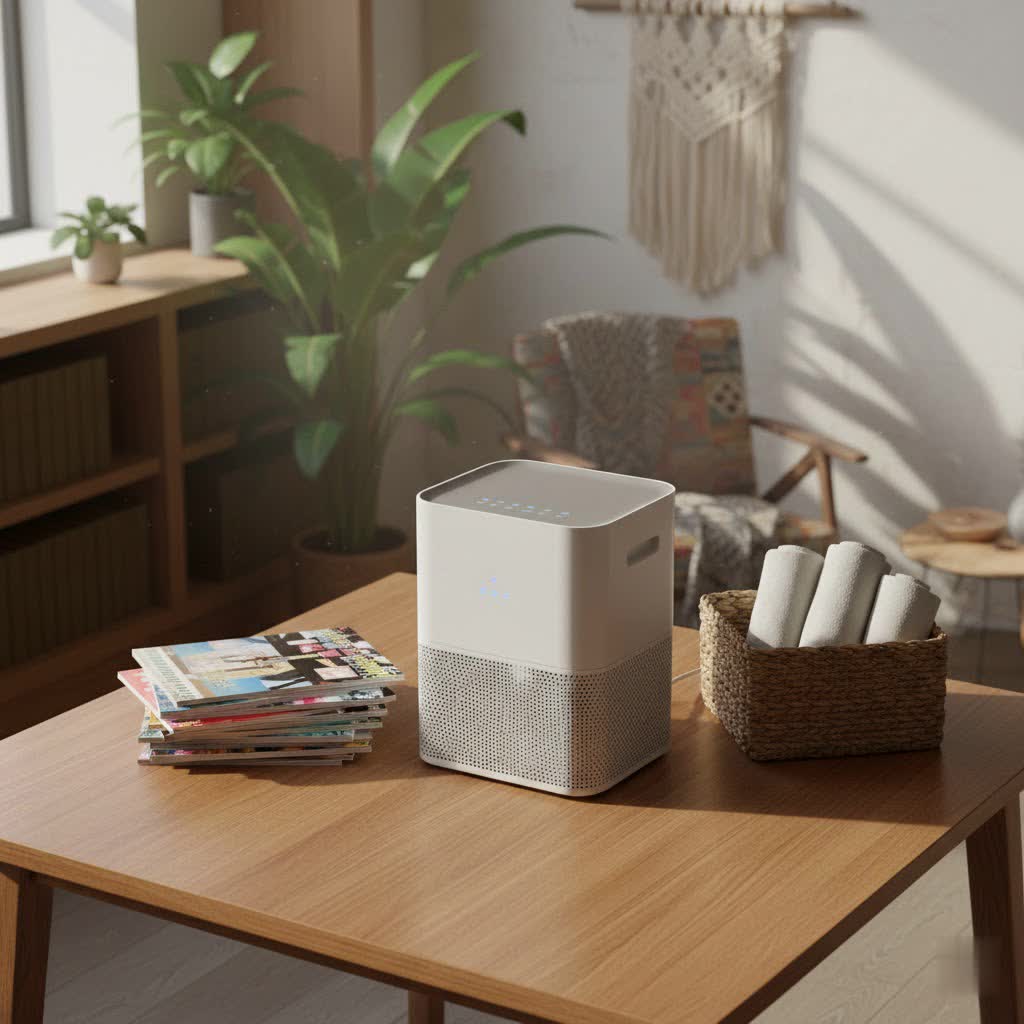
What is a Room Dehumidifier and Why Do You Need One?
At its core, a room dehumidifier is an appliance designed to remove excess moisture from the air, helping you maintain an ideal relative humidity level, typically between 30% and 50%. When humidity levels climb above 60%, your home can become a breeding ground for dust mites, mold, and mildew, leading to musty odors and potentially triggering allergies and respiratory issues. Furthermore, high humidity can cause damage to wooden furniture, electronics, and even the structural integrity of your home.
Dehumidifiers work by drawing in warm, moist air, passing it over cold coils where water vapor condenses into liquid, much like condensation forming on a cold glass. This collected water is then drained, and the now-drier air is released back into the room. By actively reducing humidity, a dehumidifier not only enhances comfort by making the air feel cooler and less clammy but also protects your property and contributes to a healthier living environment.
Types of Home Dehumidifiers
Understanding the different types of dehumidifiers available can help you choose the one best suited for your specific home conditions. Each type employs a unique mechanism to extract moisture from the air.
Refrigerant (Compressor) Dehumidifiers
Refrigerant dehumidifiers are the most common type for residential use. They operate similarly to a refrigerator or air conditioner. A fan pulls humid air into the unit, where it passes over a set of refrigerated coils. As the warm, moist air cools, the water vapor condenses into liquid droplets that collect in a reservoir or drain. The now-drier air is then reheated and released back into the room.
- Principle of Operation: Uses a compressor and refrigerant to cool coils, causing moisture to condense.
- Pros: Highly efficient in warm, humid conditions (above 65°F/18°C), available in a wide range of capacities, generally energy-efficient, and often Energy Star certified.
- Cons: Less effective in cooler environments (below 60°F/16°C) where coils can frost up (though many have auto-defrost), can be noisier due to the compressor and fan.
|
Our Picks for the Best Home Dehumidifier in 2026
As an Amazon Associate I earn from qualifying purchases.
|
||
| Num | Product | Action |
|---|---|---|
| 1 | 4500 Sq.Ft Most Efficient Energy Star 2025 Dehumidifier,AEOCKY Max 80 Pint/Day Smart Compressor Dehumidifier with Drain Hose, Intelligent Humidistat,for Basement,Bedroom,Home,Bathroom |

|
| 2 | 2500 Sq.Ft Dehumidifiers for Home with Drain Hose Max 34 Pints, VEAGASO Dehumidifier for Basement, Large Room, Bathroom, Bedroom, Three Modes, Intelligent Humidity Control, Dry Clothes, 24HR Timer |
|
| 3 | hOmeLabs Dehumidifier for Home, Office, Basements with Powerful Moisture Removal, Humidity Control, Auto Shut-off, Quiet Operation - 7,000 Sq Ft Wi-Fi (50 Pint MAX 120 Pint at 95°F, 90% RH) |
|
| 4 | Waykar 80 Pints 2025 Energy Star Dehumidifier for Spaces up to 5,000 Sq. Ft for Basement and Home, Large Room with Drain Hose and 1.14 Gallons Water Tank |
|
| 5 | Dehumidifier,TABYIK 35 OZ Small Dehumidifiers for Room for Home, Quiet with Auto Shut Off, Dehumidifiers for Bedroom (280 sq. ft), Bathroom, RV, Closet |
|
| 6 | Dehumidifier,95OZ Dehumidifier for Home 1000 Sq.Ft - Quiet with Auto Shut Off & Relaxing 7 Color Ambient Light,Ideal for Livingroom, Bedroom, Basement(Black) |
|
| 7 | Dehumidifier, 98OZ Dehumidifiers for Home(1000sq.ft), Humidity Display Dehumidifier for Basement Bathroom Bedroom, Auto Shut Off, Washable Filter, Drain Hose, Timer, 7 Ambient Lights, White |
|
| 8 | 5000 Sq. Ft Dehumidifiers for Home and Basement, Max 95 Pint/Day Dehumidifier with Drain Hose, Compressor Dehumidifier with Humidity Control, 24H Timer & Child Lock, for Bedroom, Large Rooms |
|
| 9 | Waykar 2000 Sq. Ft. 2025 Energy Star Dehumidifier for Home and Basements, with Auto or Manual Drainage, 0.66 Gallon Water Tank Capacity |
|
| 10 | NineSky Dehumidifiers for Home, 95 OZ Water Tank, (1000 sq.ft) Dehumidifiers for Bathroom Bedroom Basement with Auto Shut Off,7 Colors LED Light(White) |
|
Desiccant Dehumidifiers
Desiccant dehumidifiers utilize a desiccant material, such as silica gel, to absorb moisture directly from the air. A fan draws air through a rotor impregnated with this material, which captures the humidity. A separate heater then regenerates the desiccant by warming it, releasing the absorbed moisture into a collection tank or drain.
- Principle of Operation: Absorbs moisture using a drying agent (desiccant) in a rotating wheel.
- Pros: Very effective in cooler temperatures (below 60°F/16°C), generally quieter than compressor models because they lack a compressor, and lighter in weight.
- Cons: Can use more energy due to the heating element required for regeneration, often have lower moisture removal capacities than comparable refrigerant units, and typically higher initial cost.
Thermoelectric Dehumidifiers
Thermoelectric dehumidifiers, often referred to as Peltier dehumidifiers, are usually smaller, compact units. They use the Peltier effect to create a cold surface where condensation occurs.
- Principle of Operation: Uses a thermoelectric (Peltier) module to create a temperature difference, causing condensation on a cold plate.
- Pros: Extremely quiet, compact, and suitable for very small spaces like closets, cabinets, or RVs.
- Cons: Very limited moisture removal capacity, not suitable for larger rooms or significantly damp areas, and slower in operation.
Detailed Comparison of Dehumidifier Types
Here’s a comparison to help illustrate the differences between the main types of room dehumidifiers:
| Feature | Refrigerant (Compressor) Dehumidifier | Desiccant Dehumidifier | Thermoelectric Dehumidifier |
|---|---|---|---|
| Operating Temp. | Best in warm, humid (above 65°F/18°C) | Best in cooler temperatures (below 60°F/16°C) | Any temperature, but limited capacity |
| Moisture Removal | High capacity (30-110+ pints/day) | Moderate capacity (typically lower than compressor) | Very low capacity (less than 1 pint/day) |
| Energy Use | Energy Star certified models are efficient | Can be higher due to heating element | Very low, but inefficient for the amount of moisture removed |
| Noise Level | Moderate to high (compressor noise) | Low to very low | Very low (fan noise only) |
| Cost | Moderate to high, depending on capacity and features | Generally higher than comparable refrigerant units | Low (for mini units) |
| Best Use | Basements, large living rooms, whole-home applications | Garages, cold basements, unheated spaces, seasonal use | Small closets, safes, RVs, very small enclosures |
How to Choose the Right Room Dehumidifier for Your Home
Selecting the ideal dehumidifier involves considering several critical factors to ensure it effectively meets your household’s specific needs.
Determine Your Needs
Start by assessing the problem. Do you notice condensation on windows, a persistent musty smell, or visible mold? Is the air just uncomfortably sticky?
- Room Size: Measure the square footage of the room or area you intend to dehumidify. Dehumidifiers are rated for specific coverage areas.
- Moisture Level: Categorize your space’s dampness. A room with occasional stickiness is “moderately damp,” while one with a constantly wet floor or visible mold is “extremely wet.” A hygrometer can help accurately measure relative humidity.
- Purpose: Are you targeting general comfort, preventing mold, protecting valuables, or aiding in drying laundry?
Dehumidifier Capacity (Pint Rating)
This is arguably the most crucial factor. Dehumidifier capacity is measured in “pints per day,” indicating how much moisture the unit can remove from the air in 24 hours. Matching capacity to room size and moisture level is key to efficient operation.
- Small Dehumidifiers (20-22 Pints): Ideal for smaller rooms up to 1,400 square feet with moderate dampness, such as bedrooms, small offices, or laundry rooms.
- Medium Dehumidifiers (30-35 Pints): Suitable for medium-sized spaces up to 2,000 square feet, often effective for living rooms or slightly larger bedrooms with moderate to very damp conditions.
- Large Dehumidifiers (45-50+ Pints): Recommended for large open-concept areas, basements, or extremely wet environments up to 4,500 square feet. If you’re unsure or between sizes, it’s generally better to size up, especially in basements or coastal homes.
“When choosing a dehumidifier, don’t just consider the room size; factor in the existing moisture level. A damp basement demands a higher capacity unit than a slightly humid bedroom.”
Key Features to Look For
Beyond capacity, several features enhance convenience, efficiency, and overall performance.
- Drainage Options:
- Manual Bucket: Most basic. Requires regular emptying of the collected water. Capacity varies (e.g., 1-gallon to 4-gallon buckets). Useful for temporary or less humid spaces.
- Continuous Gravity Drain: Allows the unit to drain water through a hose directly into a floor drain, sink, or window. Eliminates the need for manual emptying. Requires the dehumidifier to be elevated above the drain point.
- Built-in Pump: Offers the most flexibility. A pump can force water vertically or horizontally over longer distances, allowing drainage into a sink, out a window, or to a distant drain. Ideal for basements without a floor drain.
- Noise Level: Measured in decibels (dB). For bedrooms or living areas, look for quieter models, ideally below 45-50 dB. Some small models can be as low as 33 dB in sleep mode.
- Energy Efficiency: Look for the ENERGY STAR certification. These models use significantly less energy (around 14% less) to remove the same amount of moisture, leading to lower operating costs over time.
- Smart Features:
- Humidistat: Allows you to set a target humidity level, and the unit will automatically turn on or off to maintain it. Essential for consistent humidity control.
- Auto-Restart: Automatically resumes operation after a power outage, retaining previous settings.
- Timer: Allows you to schedule operation times.
- Auto-Defrost: Prevents ice buildup on coils in cooler environments, improving efficiency and preventing damage.
- Wi-Fi Connectivity/Smart App Control: Enables remote monitoring and control via your smartphone, offering convenience and real-time alerts (e.g., when the bucket is full).
- Portability: Wheels and sturdy handles make it easier to move the unit from room to room, especially for heavier, higher-capacity models.
- Washable Filter: A removable, washable air filter is a common and convenient feature, reducing maintenance costs and ensuring clean operation.
Top-Rated Room Dehumidifiers for Home Use
Based on extensive testing and user reviews, several models consistently stand out for their performance, features, and reliability.
- Midea Cube 50-Pint Dehumidifier: Often praised as an overall best pick, this modular unit offers impressive moisture removal (50 pints/day) for large spaces (up to 4,500 sq ft). Its large 33.6-pint bucket and versatile drainage options (bucket, continuous, pump) make it highly adaptable. The modular design also allows for more compact storage.
- Honeywell 50-Pint Dehumidifier with Built-in Pump: A top performer for efficiency and quiet operation, ideal for damp basements or large living areas. Its built-in pump allows for continuous vertical drainage up to 15 feet, and an accurate humidistat ensures reliable control.
- Frigidaire 50-Pint Dehumidifier: Known for its robust moisture removal and user-friendly features, this 50-pint model is an excellent choice for large living spaces up to 4,000 square feet. It typically offers intuitive controls, an accessible water bucket, and a washable air filter.
- hOmeLabs 50-Pint Dehumidifier with Pump: A strong contender for basements and large damp areas, this model is noted for its quiet operation despite its power. It features a built-in pump and is Energy Star certified, offering good performance and energy efficiency.
- Insignia 35-Pint Dehumidifier: A solid option for living rooms and larger bedrooms (up to 2,000 sq ft). It’s considered relatively quiet, making it suitable for common areas, and features an easy-to-empty water tank and continuous drain option.
- Costway 32-Pint Portable Dehumidifier: An excellent choice for bedrooms due to its very quiet operation (as low as 33 dB in sleep mode) and compact design. It provides 32 pints/day moisture removal for spaces up to 2,500 square feet and includes an auto-shutoff and child lock.
Effective Use and Maintenance Tips
To maximize the effectiveness and lifespan of your room dehumidifier, proper use and regular maintenance are essential.
Optimal Placement
- Place the dehumidifier in the center of the room or the dampest area.
- Ensure at least 6-12 inches of space around the unit for proper airflow.
- Close windows and doors in the room where the dehumidifier is operating to prevent outside humidity from entering.
- Avoid placing it directly against walls, behind furniture, or in front of vents that could obstruct air intake or exhaust.
Setting the Right Humidity Level
- Most experts recommend maintaining indoor humidity levels between 30% and 50% for optimal comfort and health.
- Use the built-in humidistat to set your desired humidity. The unit will cycle on and off automatically to maintain this level.
Regular Cleaning and Maintenance
- Empty the Water Bucket: If using manual drainage, empty the bucket regularly to prevent overflow and ensure continuous operation. For continuous drain setups, check the hose for kinks or blockages.
- Clean the Air Filter: Most dehumidifiers have a washable filter. Clean it every 2-4 weeks, or more frequently in dusty environments. A clogged filter reduces efficiency and can damage the unit.
- Clean the Water Reservoir: Periodically clean the water bucket with a mild detergent and water to prevent mold and mildew growth.
- Inspect Coils: Over time, coils can accumulate dust. Refer to your owner’s manual for instructions on how to safely clean them if necessary.
- Store Properly: If storing the unit for an extended period, ensure it’s thoroughly cleaned and dried before storage.
Comparison Table: Best Dehumidifier Models
Here’s a quick overview of some top models to help you compare:
| Model | Capacity (Pints/Day) | Room Size Coverage (Sq Ft) | Noise Level (dB) | Drainage Options | Key Features |
|---|---|---|---|---|---|
| Midea Cube 50-Pint | 50 | 4,500 | 54.5 | Bucket, Continuous, Pump | Modular design, Wi-Fi, Energy Star |
| Honeywell 50-Pint w/ Pump | 50 | 4,000 | 51 | Bucket, Continuous, Pump | Built-in pump, Accurate humidistat, Energy Star |
| Frigidaire 50-Pint | 50 | 4,000 | (Varies) | Bucket, Continuous | User-friendly controls, Washable filter, Energy Star |
| hOmeLabs 50-Pint w/ Pump | 50 | 4,500 | (Not Listed) | Bucket, Continuous, Pump | Quiet operation, Wi-Fi, Energy Star |
| Insignia 35-Pint | 35 | 2,000 | 56.5 | Bucket, Continuous | Easy-empty tank, Quiet for living rooms, Energy Star |
| Costway 32-Pint Portable | 32 | 2,500 | 33 | Bucket, Continuous | Sleep mode, Child lock, Compact |
Note: Noise levels can vary slightly by fan speed and environmental factors. “Not Listed” indicates the specific dB was not consistently available across sources, but the model is generally considered quiet for its capacity.
Smart Shopping Tips for Your Dehumidifier Budget
Investing in a room dehumidifier is an investment in your home’s comfort and health. Here’s how to make a smart purchase without overspending.
- Prioritize Needs Over Features: Determine your core requirements (capacity, drainage) before getting swayed by advanced features you might not need. A basic, high-capacity unit might be better value than a smart, feature-rich one if your primary concern is a very damp basement.
- Consider Energy Star: While Energy Star certified models might have a slightly higher upfront cost, their lower operating expenses can save you significant money on electricity bills over the unit’s lifetime, especially if you plan to run it frequently.
- Look for Sales: Major retailers often have sales on home appliances during specific seasons (e.g., end of summer, holiday sales). Plan your purchase to take advantage of these discounts.
- Read Reviews: Check reputable review sites and customer feedback. Pay attention to comments on reliability, noise levels, ease of use, and customer service.
- Balance Capacity and Cost: Don’t undersize to save money initially. An undersized unit will run constantly, consume more energy, and ultimately fail to achieve desired humidity levels. Oversizing slightly can lead to more efficient cycling and longer unit life.
Common Questions About Home Dehumidifiers
How do I know if I need a dehumidifier for my room?
Telltale signs include condensation on windows, a persistent musty smell, visible mold or mildew growth, a sticky or clammy feeling in the air, warped wooden floors or furniture, and increased allergy symptoms. Ideally, indoor humidity should be between 30% and 50%.
Can a dehumidifier help with mold?
Yes, a dehumidifier helps prevent and control mold growth by reducing the moisture in the air that mold needs to thrive. However, it will not remove existing mold; that requires professional cleaning.
How often should I empty the dehumidifier bucket?
This depends on the dehumidifier’s capacity and the humidity level in your room. In very humid conditions, a bucket might fill in a few hours to a day. With moderate humidity, it could be every few days. Using a continuous drain or pump eliminates the need for frequent emptying.
Is it okay to run a dehumidifier all the time?
Modern dehumidifiers with humidistats are designed to run as needed to maintain a set humidity level. They will cycle on and off automatically. Running them constantly without a humidistat, especially when not necessary, can lead to overly dry air and increased energy consumption.
What is the ideal humidity level for a home?
The general consensus for a comfortable and healthy indoor environment is a relative humidity level between 30% and 50%. This range discourages the growth of mold, dust mites, and other allergens while also preventing static electricity and overly dry air.
Conclusion
A room dehumidifier is an invaluable appliance for maintaining a comfortable, healthy, and protected home, especially in humid climates or damp areas. By understanding the different types, carefully considering capacity, and selecting features like efficient drainage and smart controls, you can choose a unit that perfectly matches your household’s needs and budget. Remember, consistent maintenance is key to ensuring your dehumidifier operates efficiently for years to come. Take control of your home’s humidity today and experience the difference a well-chosen room dehumidifier can make. What aspects of your home’s humidity are you most eager to tackle?
