High humidity is more than just uncomfortable; it’s a silent threat to your home and health, fostering mold growth, triggering allergies, and damaging property. Imagine walking into a crisp, dry living space, free from musty odors and dampness. This isn’t just a dream – it’s an achievable reality with the right home dehumidifier. Honeywell Home Dehumidifiers offer a robust solution to combat excessive moisture, transforming your environment into a healthier, more comfortable sanctuary. This comprehensive guide will walk you through everything you need to know about selecting, using, and maintaining a Honeywell dehumidifier to ensure your home remains perfectly balanced.
Understanding Honeywell Home Dehumidifiers
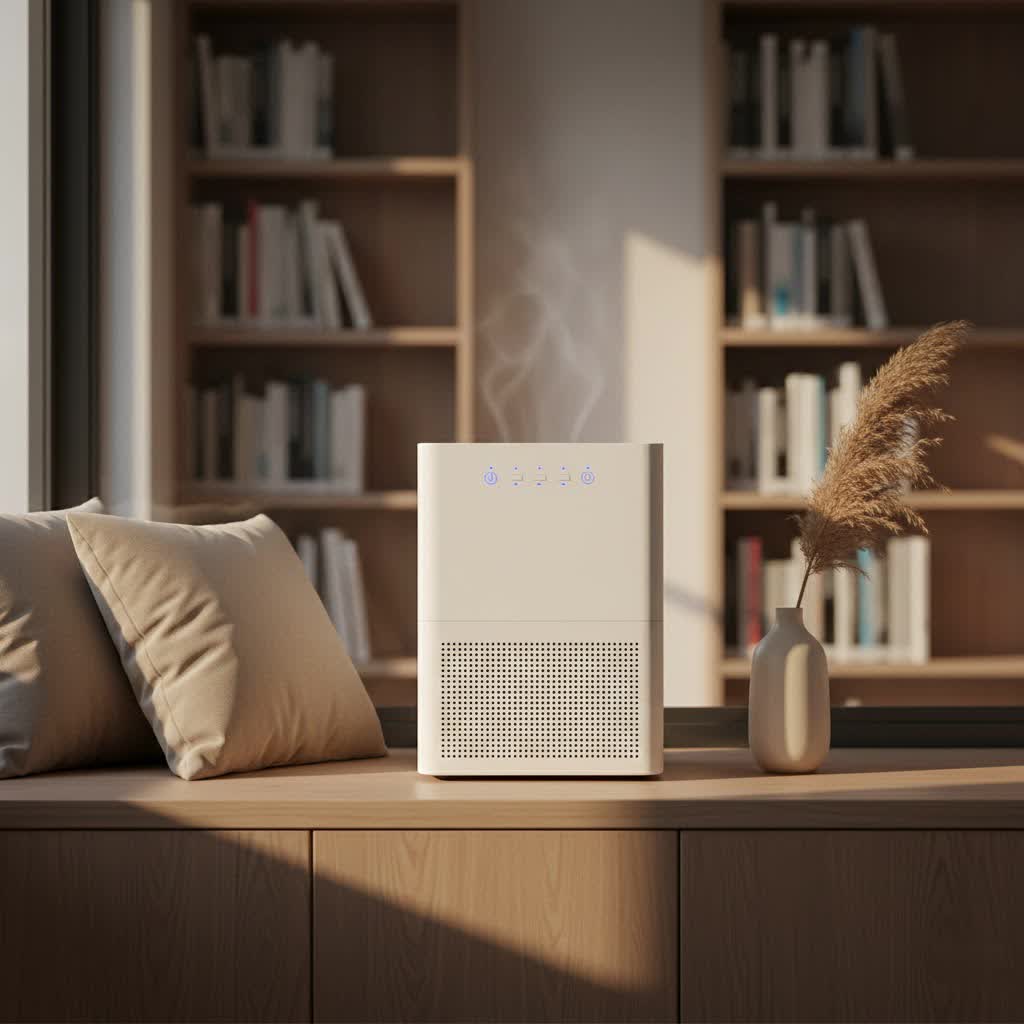
Honeywell Home dehumidifiers are predominantly compressor-based units, designed to efficiently extract excess moisture from the air. These devices operate by drawing in humid air, passing it over a cold coil where water vapor condenses into liquid, and then releasing dry air back into the room. This process not only reduces humidity but also helps prevent common household issues such as mold, mildew, dust mites, and unpleasant odors. Investing in a Honeywell dehumidifier means choosing a brand known for reliability, advanced features, and a commitment to creating healthier indoor climates. Many models are Energy Star certified, ensuring efficient operation that benefits both your home and your wallet.
Popular Honeywell Home Dehumidifier Models
Honeywell offers a range of dehumidifier models tailored to various room sizes and needs, each boasting a blend of performance and user-friendly features.
Honeywell 50 Pint Dehumidifiers (2019 DOE 32-Pint)
The Honeywell 50 Pint models (e.g., TP50AWKN, DH50W) are highly favored for their balance of power and efficiency. These units are designed to handle larger spaces, capable of covering up to 4,000 square feet under older (2012 DOE) testing standards, and are now rated as 32-pint units under the more conservative 2019 DOE standards.
- Key Features: These models are often praised for their quiet operation, effectively reducing humidity without significant noise disruption. Many feature smart capabilities, allowing control via a mobile app and even voice assistants like Alexa. They typically include continuous drain options with a hose, auto-defrost for low-temperature operation, and a washable dust filter for easier maintenance. An intuitive digital display often includes a “mirage display” that shines through the unit’s face for a sleek, modern look.
- Pros: Quick and efficient moisture removal, suitable for large rooms and basements, relatively quiet for their capacity, smart features enhance convenience, and thermal overload protection adds a layer of safety.
- Cons: The water tank capacity, while adequate, may require frequent emptying in very humid conditions if continuous drainage isn’t used. Some users report that the initial app pairing can be a bit challenging, and the power cable on some units might be shorter than desired.
|
Our Picks for the Best Home Dehumidifier in 2026
As an Amazon Associate I earn from qualifying purchases.
|
||
| Num | Product | Action |
|---|---|---|
| 1 | hOmeLabs Dehumidifier for Home, Office, Basements with Powerful Moisture Removal, Humidity Control, Auto Shut-off, Quiet Operation - 7,000 Sq Ft Wi-Fi (50 Pint MAX 120 Pint at 95°F, 90% RH) |

|
| 2 | Dehumidifier,95OZ Dehumidifier for Home 1000 Sq.Ft - Quiet with Auto Shut Off & Relaxing 7 Color Ambient Light,Ideal for Livingroom, Bedroom, Basement(Black) |
|
| 3 | 2500 Sq.Ft Dehumidifiers for Home with Drain Hose Max 34 Pints, VEAGASO Dehumidifier for Basement, Large Room, Bathroom, Bedroom, Three Modes, Intelligent Humidity Control, Dry Clothes, 24HR Timer |
|
| 4 | NineSky Dehumidifiers for Home, 95 OZ Water Tank, (1000 sq.ft) Dehumidifiers for Bathroom Bedroom Basement with Auto Shut Off,7 Colors LED Light(White) |
|
| 5 | Waykar 2000 Sq. Ft. 2025 Energy Star Dehumidifier for Home and Basements, with Auto or Manual Drainage, 0.66 Gallon Water Tank Capacity |
|
| 6 | Dehumidifier,TABYIK 35 OZ Small Dehumidifiers for Room for Home, Quiet with Auto Shut Off, Dehumidifiers for Bedroom (280 sq. ft), Bathroom, RV, Closet |
|
| 7 | 4500 Sq.Ft Most Efficient Energy Star 2025 Dehumidifier,AEOCKY Max 80 Pint/Day Smart Compressor Dehumidifier with Drain Hose, Intelligent Humidistat,for Basement,Bedroom,Home,Bathroom |
|
| 8 | 5000 Sq. Ft Dehumidifiers for Home and Basement, Max 95 Pint/Day Dehumidifier with Drain Hose, Compressor Dehumidifier with Humidity Control, 24H Timer & Child Lock, for Bedroom, Large Rooms |
|
| 9 | Dehumidifier, 98OZ Dehumidifiers for Home(1000sq.ft), Humidity Display Dehumidifier for Basement Bathroom Bedroom, Auto Shut Off, Washable Filter, Drain Hose, Timer, 7 Ambient Lights, White |
|
| 10 | Waykar 80 Pints 2025 Energy Star Dehumidifier for Spaces up to 5,000 Sq. Ft for Basement and Home, Large Room with Drain Hose and 1.14 Gallons Water Tank |
|
Honeywell 70 Pint Dehumidifiers (2019 DOE 50-Pint)
For very large, persistently damp areas like expansive basements or multi-room spaces, the Honeywell 70 Pint models (e.g., TP70WKN, DH70W) are excellent choices. These powerful units are now rated as 50-pint dehumidifiers under the 2019 DOE standards, still signifying significant moisture extraction capabilities.
- Key Features: Many 70-pint models offer the ultimate convenience with an optional or built-in drain pump, allowing water to be discharged vertically or over longer distances, eliminating manual emptying. They are known for their highly accurate internal hygrometers, ensuring the unit cycles off precisely when the target humidity is reached. Like their smaller counterparts, they often include various smart features and essential functionalities such as auto-restart and a 24-hour timer.
- Pros: Exceptional moisture removal rate, ideal for severely humid environments, the built-in pump option provides hassle-free continuous drainage, and high hygrometer accuracy ensures optimal humidity control.
- Cons: These models tend to be heavier and larger, though still portable with casters. Some past models have shown slightly higher power consumption in very severe humidity compared to top competitors, and certain older designs might have a higher negative review rate regarding durability. Some models also lack an automatic defrost mode, despite having an indicator light for low temperatures.
Smaller Capacity Honeywell Dehumidifiers (20-35 Pint)
Honeywell also offers smaller capacity units (e.g., 25-pint, 30-pint, 35-pint models like DH45WKN) perfect for bedrooms, offices, small apartments, or specific damp spots. These are typically rated for spaces up to 1,500-2,000 square feet.
- Key Features: Compact design, efficient for their size, often include basic essential features like auto-shutoff when the tank is full, user-friendly controls, and quiet operation suitable for living spaces.
- Pros: Energy efficient for smaller areas, portable and easy to move, more budget-friendly, and effective for targeted humidity control.
- Cons: Smaller water tank means more frequent emptying, and they are not suitable for very large or excessively humid environments.
Choosing the Right Honeywell Home Dehumidifier
Selecting the perfect dehumidifier for your home involves a few critical considerations to ensure it meets your specific needs.
Determine Your Needs
- Room Size: This is paramount. Dehumidifiers are rated by their “pint capacity,” referring to how much moisture they can remove from the air in 24 hours. The Department of Energy (DOE) updated its testing standards in 2019, which means a unit previously called a “50-pint” might now be rated as a “32-pint” (2019 DOE). However, the actual performance remains the same, and the room size recommendations generally hold true.
- Small Rooms (up to 1,500 sq ft): Consider a 20-30 pint (2019 DOE) unit.
- Medium Rooms (1,500-2,000 sq ft): A 30-50 pint (2019 DOE) model might be appropriate.
- Large Rooms/Basements (over 2,000 sq ft): Opt for a 50-70 pint (2019 DOE) model for optimal performance.
- Humidity Level: If your space is excessively humid (e.g., over 70% RH), you might need a higher capacity unit or consider running it continuously for initial reduction.
- Purpose: Are you targeting general comfort, mold prevention in a basement, or accelerating laundry drying? Specific models might excel in certain applications.
Key Features to Look For
- Pint Capacity: As discussed, match the unit’s capacity to your room size for effective dehumidification.
- Continuous Drainage vs. Water Tank:
- Water Tank: All Honeywell portable dehumidifiers include a removable water tank that collects condensed water. They typically have an auto-shutoff feature when the tank is full, preventing overflows.
- Gravity Drain (Hose): Many models allow you to attach a garden hose (for DH series) or come with a drain tube (for TP series) for continuous gravity drainage into a floor drain or sink. This eliminates the need for manual emptying. Ensure the hose is kink-free and positioned downwards.
- Built-in Pump: Select Honeywell models (e.g., TP70PWKN, DH70PWKN) feature a built-in drain pump, which is ideal for basements or situations where you need to drain water upward or over a longer distance (up to 16 feet).
- Smart Features: Wi-Fi connectivity and compatibility with mobile apps (like the Honeywell Air Comfort App) and voice assistants (Alexa) offer convenient remote control and monitoring of humidity levels and settings.
- Noise Level: Look for units with lower decibel ratings, especially if placing them in bedrooms or living areas. Honeywell models are generally noted for being quiet for their size.
- Energy Efficiency: Energy Star certified dehumidifiers are verified to use less energy, saving you money on electricity bills. Most Honeywell portable dehumidifiers are Energy Star rated.
- Other Essential Features:
- Auto-Restart: Automatically turns the unit back on after a power outage with previous settings.
- Auto-Defrost: Prevents coils from freezing in cooler conditions, although some older models only have an indicator and require manual intervention.
- 24-Hour Timer: Allows you to program the unit to turn on or off at specific times.
- Full Tank Alert: Notifies you when the water tank needs to be emptied.
- Washable Filter: Easy to clean and reuse, reducing replacement costs and maintaining air quality.
Budget and Warranty
Honeywell dehumidifiers typically come with a solid warranty, often a 1-year limited warranty with an additional 4 years on the sealed system, providing peace of mind. Compare prices across retailers, but prioritize features and capacity over just the lowest price to ensure long-term satisfaction.
Detailed Comparison of Popular Honeywell Models
While specific model numbers may vary, here’s a general comparison of common Honeywell Home dehumidifier capacities and their characteristics:
| Model Type (Pint Capacity – 2012 DOE) | 2019 DOE Pint Capacity | Recommended Room Size (Sq Ft) | Key Features | Noise Level (dBA) | Pros | Cons |
|---|---|---|---|---|---|---|
| Honeywell 25/30 Pint | 23 Pint | Up to 1,500 | Compact, basic digital controls, auto-shutoff, washable filter. | ~49.5 | Ideal for small rooms, energy-efficient for targeted use, easy portability. | Smaller tank means more frequent emptying. |
| Honeywell 50 Pint | 32 Pint | Up to 3,000 – 4,000 | Wi-Fi/App/Alexa control, continuous drain (hose included), auto-defrost, mirage display, casters. | ~50 | Fast moisture removal, quiet for capacity, smart features, good for large living areas and basements. | Short power cord on some units, app pairing can be finicky initially. |
| Honeywell 70 Pint | 50 Pint | Up to 4,000 | Built-in drain pump (on “PWK” models), Wi-Fi/App/Alexa, continuous drain, accurate hygrometer. | ~51-55 | Powerful dehumidification, pump for versatile drainage, highly accurate humidity sensing, robust. | Heavier, higher initial cost, some older models lack automatic defrost despite indicator. |
Setting Up, Using, and Maintaining Your Honeywell Dehumidifier
To maximize the effectiveness and lifespan of your Honeywell dehumidifier, proper setup, usage, and routine maintenance are essential.
Setting Up Your Unit
- Unboxing and Placement: Remove all packaging materials. If the unit was transported on its side, place it upright for at least one hour before plugging it in to allow the refrigerant to stabilize.
- Location: Position the dehumidifier in an enclosed area where you need to reduce humidity, such as a basement, laundry room, or living space. Ensure there’s at least 17 inches of clearance around the air intake and exhaust vents for optimal airflow. Keep windows and doors closed in the operating area.
- Power: Plug the unit directly into a grounded electrical outlet. Do not use an extension cord, as this can void the warranty and pose a safety risk.
Effective Use
- Setting Desired Humidity: Most experts recommend maintaining indoor relative humidity between 30% and 50%. Use the digital control panel or the companion app to set your desired humidity level. The unit’s humidistat will automatically cycle the compressor on and off to maintain this level.
- Continuous Mode: For severely damp conditions or continuous operation without interruption, set the dehumidifier to “CO” (Continuous mode) if available. The unit will run non-stop regardless of the humidity level.
- Understanding Readings: Be aware that a dehumidifier’s built-in humidistat might have a slight variance (typically 5-8%) compared to an external hygrometer. For the most accurate comparison, place the hygrometer near the dehumidifier’s coils.
> “The goal isn’t just to remove moisture, but to maintain a consistent, healthy humidity level. Regular maintenance is key to your dehumidifier performing effectively for years.” – Admin, ReviewMyIG.com
Maintenance
- Emptying and Cleaning the Water Tank: When the water tank is full, the unit will automatically shut off and often beep. Carefully remove and empty the tank. To prevent mold and bacteria growth, clean the tank weekly with mild soap and water, or a vinegar solution (add a small amount of white vinegar to a full bucket of water, let it sit overnight, then scrub and rinse). Ensure it’s completely dry before re-inserting or storing.
- Cleaning the Air Filter: A dirty filter restricts airflow, reducing efficiency and potentially causing coils to freeze. Honeywell recommends cleaning the washable dust filter every two weeks during consistent operation. You can rinse it under water (allow it to dry completely) or vacuum it. Many units include a “filter-clean alert” reminder.
- Drainage System Check: If using continuous drainage, ensure the hose is not kinked, blocked, or dipped into standing water at the outlet. For pump models, periodically check and clean the pump filter screen, submerging the pump in vinegar to dissolve mineral buildup.
Common Honeywell Dehumidifier Troubleshooting and Solutions
Even reliable appliances can encounter occasional issues. Here are common problems and their straightforward solutions for Honeywell dehumidifiers:
- Unit Not Turning On:
- Solution: Confirm the power cord is securely plugged into a live outlet. Check if the circuit breaker has tripped. Ensure the water tank is correctly positioned and fully seated, as a safety switch prevents operation if it’s not. If a smart plug is used, ensure it is active.
- Dehumidifier Is Not Reducing Humidity:
- Solution: Verify the humidity setting is lower than the current room humidity. Close all windows and doors to the outside, as open entries allow new moisture to enter. Check for other humidity sources like boiling water or clothes dryers. Ensure the room temperature is within the operating range (typically 41°F to 89°F / 5°C to 32°C), as units are less efficient outside this range. Clean the dust filter and remove any blockages from the air intake or exhaust vents.
- Unit Runs Constantly:
- Solution: The area being dehumidified might be too large for the unit’s capacity, or new moisture is continuously entering (e.g., from open windows). Check if the unit is accidentally set to “CO” (Continuous mode).
- Leaking Water:
- Solution: Ensure the water tank is properly inserted and leveled. Check if the splash guard (if present) is correctly clipped into the tank. Inspect the tank for any cracks or faulty seals. For continuous drainage, verify the hose connection is secure, not kinked or blocked, and that the unit is on a level surface (or slightly elevated at the front for gravity drain). For pump models, ensure the correct pump tube and cap are installed with all rubber washers present.
- Frost Appears on Coils:
- Solution: This often occurs if the room temperature is too low. Ensure adequate airflow around the unit (at least 17 inches clearance) and clean dirty air filters. If using a drain hose that’s partially clogged, remove it, let the ice melt, and run the unit normally after the coils are clear.
- “Tank Full” Light Stays On (Even When Empty):
- Solution: Re-seat the water collection bucket securely. Clean the sensor area and check the float switch mechanism inside the tank for any obstructions or damage, ensuring it moves freely.
- Error Codes (e.g., E3, EH, E5, SA):
- Solution: Many error codes (like E3 for high temperature, EH for humidity sensor) can often be resolved by turning the unit off, unplugging it for 24 hours (allowing refrigerant to stabilize or sensors to reset), and then restarting. For pump-specific codes (E5, P1), check pump tube installation, caps, and filter screens for blockages. The “SA” code indicates a rest period after 24 hours of continuous operation; the unit should restart automatically after about an hour. Always refer to your specific model’s manual for detailed error code explanations.
Tips for Choosing a Dehumidifier on a Budget
Finding a quality Honeywell dehumidifier doesn’t always mean breaking the bank.
- Focus on Essentials: Determine the minimum pint capacity and features you truly need. You might not require smart features or a built-in pump for a small, easily accessible room.
- Check DOE Ratings: Understand that a lower 2019 DOE pint rating doesn’t mean less effective dehumidification; it’s simply a new testing standard for the same performing unit.
- Look for Sales: Keep an eye out for seasonal sales or promotions from authorized retailers.
- Consider Older Models: Sometimes, previous year’s models are discounted and still offer excellent performance and reliability.
Frequently Asked Questions
What is the ideal humidity level for a home?
The ideal indoor relative humidity for most homes is generally between 30% and 50%. This range discourages mold growth, dust mites, and other allergens, while also preventing damage to wooden furniture and electronics.
Can I use an extension cord with a Honeywell dehumidifier?
No, it is strongly recommended not to use an extension cord with your Honeywell dehumidifier. Using one can pose a safety risk, affect the unit’s performance, and will typically void the manufacturer’s warranty.
What is the difference between 2012 and 2019 DOE pint ratings?
The Department of Energy (DOE) updated its testing methods for dehumidifiers in 2019. This change resulted in lower “pint capacity” ratings for the same units compared to the previous 2012 standards. For example, a unit once labeled as “50-pint” might now be called a “32-pint” (2019 DOE), but the actual dehumidification capability of the appliance has not changed.
How often should I clean my dehumidifier filter?
It is recommended to clean your Honeywell dehumidifier’s washable dust filter every two weeks, especially during consistent operation. Regular cleaning ensures optimal airflow, efficiency, and extends the life of the unit.
What type of refrigerant do Honeywell portable dehumidifiers use?
Since 2023, newer Honeywell portable dehumidifiers are manufactured with the more eco-friendly R32 refrigerant, aligning with regulatory changes for air conditioner and dehumidifier products.
Conclusion
A Honeywell Home dehumidifier is an indispensable tool for anyone looking to mitigate the challenges of high humidity. By intelligently removing excess moisture, these units safeguard your health, protect your home’s structure and contents, and create a consistently comfortable living environment. With a range of reliable, efficient, and often smart-enabled models, Honeywell provides practical solutions for every need, from a damp basement to an overly humid living room. Investing in a Honeywell dehumidifier isn’t just buying an appliance; it’s investing in a drier, healthier, and more comfortable home for years to come.
Are you ready to experience the difference a perfectly balanced home environment can make?
