Imagine walking into your home and feeling an immediate sense of freshness, comfort, and relief, regardless of the sticky weather outside. For many, this is a dream, as persistent high humidity can transform a sanctuary into an uncomfortable, even unhealthy, environment. From musty odors to the proliferation of allergens, excess moisture is a silent intruder. The ultimate solution to reclaim control over your indoor climate is a whole home dehumidifier. This comprehensive guide will navigate you through everything you need to know, from understanding how these powerful systems work to choosing and maintaining the perfect one for your residence.
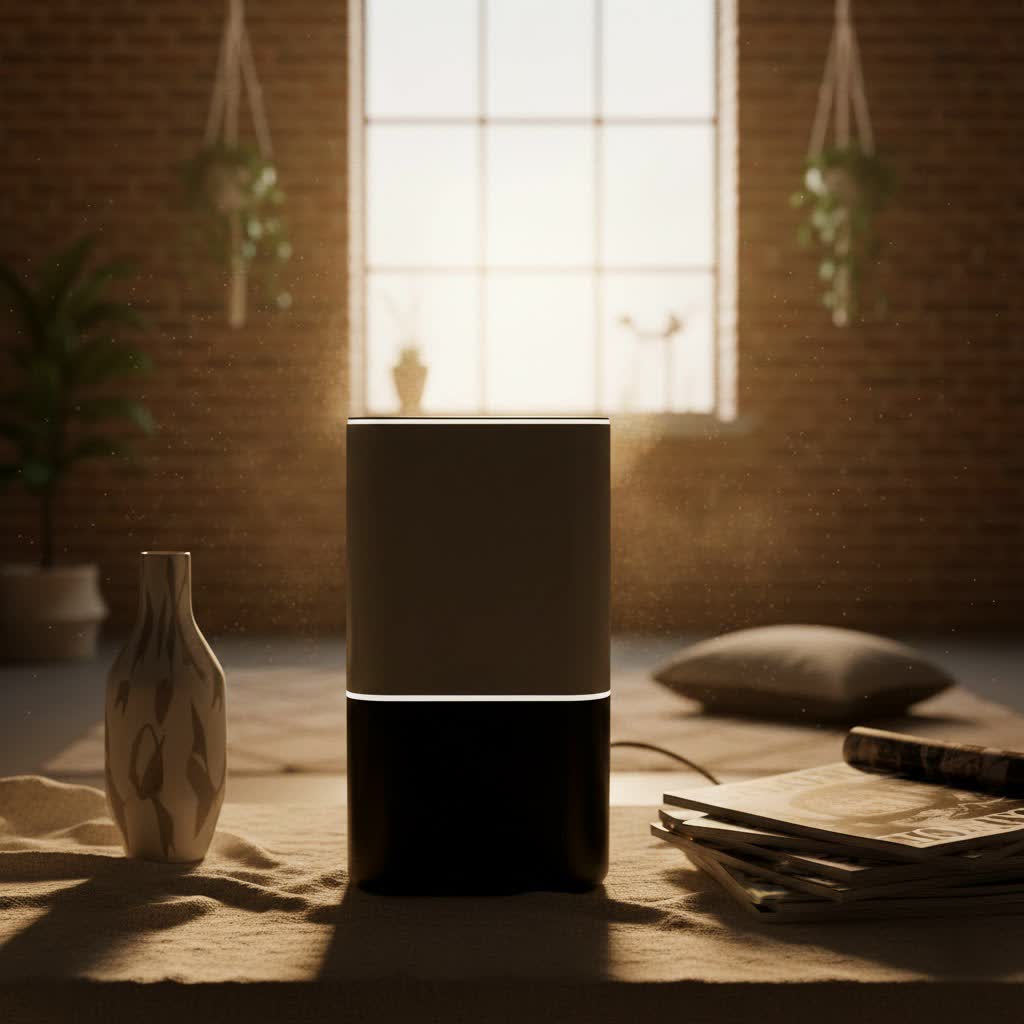
Understanding Whole Home Dehumidifiers: A Comprehensive Solution
A whole home dehumidifier is a dedicated appliance designed to remove excess moisture from the air circulating throughout your entire house, working in conjunction with or independently of your existing HVAC system. Unlike portable units that only address localized humidity, a whole home system provides consistent, balanced moisture control across all living spaces. This ensures every room maintains optimal humidity levels, typically between 30% and 50%, which is crucial for comfort, health, and home preservation.
The core principle behind most whole home dehumidifiers is refrigeration. Humid air is drawn into the unit, passing over cold evaporator coils. As the moist air cools, water vapor condenses into liquid droplets, which are then collected and drained away. The now-drier, cooler air then passes over warmer condenser coils before being redistributed throughout your home via the ductwork. This continuous process effectively lowers the overall humidity, making your living environment feel cooler and significantly more comfortable.
These systems are seamlessly integrated into your home’s ductwork, often in a basement, attic, or utility room, ensuring quiet operation as the main unit is out of sight and hearing. They offer a “set-it-and-forget-it” convenience, automatically monitoring and adjusting humidity levels to your desired set point.
Types of Whole Home Dehumidifiers
When considering a whole home dehumidifier, understanding the primary types and their operational principles is key. While various methods exist for moisture removal, compressor-based (refrigerant) units are the standard for whole-home applications due to their efficiency and capacity.
Refrigerant (Compressor-Based) Dehumidifiers
These are the most common and effective type for whole-house dehumidification. They operate on the same principle as an air conditioner but are optimized solely for moisture removal rather than cooling.
- How They Work: Humid air enters the unit, passes over a cold coil (evaporator), where moisture condenses into water. This water drains away, and the now-dry air is reheated slightly before being released back into the home.
- Pros: Highly efficient for large volumes of air, capable of significant moisture removal (measured in pints per day), generally durable with a longer lifespan, and can be integrated with existing HVAC systems for seamless operation.
- Cons: Less effective in very low temperatures (below 60°F), generally larger and heavier, and require professional installation when integrated into ductwork.
|
Our Picks for the Best Home Dehumidifier in 2026
As an Amazon Associate I earn from qualifying purchases.
|
||
| Num | Product | Action |
|---|---|---|
| 1 | hOmeLabs Dehumidifier for Home, Office, Basements with Powerful Moisture Removal, Humidity Control, Auto Shut-off, Quiet Operation - 7,000 Sq Ft Wi-Fi (50 Pint MAX 120 Pint at 95°F, 90% RH) |

|
| 2 | Waykar 2000 Sq. Ft. 2025 Energy Star Dehumidifier for Home and Basements, with Auto or Manual Drainage, 0.66 Gallon Water Tank Capacity |
|
| 3 | Dehumidifier,95OZ Dehumidifier for Home 1000 Sq.Ft - Quiet with Auto Shut Off & Relaxing 7 Color Ambient Light,Ideal for Livingroom, Bedroom, Basement(Black) |
|
| 4 | 2500 Sq.Ft Dehumidifiers for Home with Drain Hose Max 34 Pints, VEAGASO Dehumidifier for Basement, Large Room, Bathroom, Bedroom, Three Modes, Intelligent Humidity Control, Dry Clothes, 24HR Timer |
|
| 5 | 4500 Sq.Ft Most Efficient Energy Star 2025 Dehumidifier,AEOCKY Max 80 Pint/Day Smart Compressor Dehumidifier with Drain Hose, Intelligent Humidistat,for Basement,Bedroom,Home,Bathroom |
|
| 6 | 5000 Sq. Ft Dehumidifiers for Home and Basement, Max 95 Pint/Day Dehumidifier with Drain Hose, Compressor Dehumidifier with Humidity Control, 24H Timer & Child Lock, for Bedroom, Large Rooms |
|
| 7 | Dehumidifier,TABYIK 35 OZ Small Dehumidifiers for Room for Home, Quiet with Auto Shut Off, Dehumidifiers for Bedroom (280 sq. ft), Bathroom, RV, Closet |
|
| 8 | Dehumidifier, 98OZ Dehumidifiers for Home(1000sq.ft), Humidity Display Dehumidifier for Basement Bathroom Bedroom, Auto Shut Off, Washable Filter, Drain Hose, Timer, 7 Ambient Lights, White |
|
| 9 | Waykar 80 Pints 2025 Energy Star Dehumidifier for Spaces up to 5,000 Sq. Ft for Basement and Home, Large Room with Drain Hose and 1.14 Gallons Water Tank |
|
| 10 | NineSky Dehumidifiers for Home, 95 OZ Water Tank, (1000 sq.ft) Dehumidifiers for Bathroom Bedroom Basement with Auto Shut Off,7 Colors LED Light(White) |
|
Desiccant Dehumidifiers
While desiccant dehumidifiers exist, they are rarely used for whole-home applications.
- How They Work: These units use a moisture-absorbing material, such as silica gel, to draw water from the air. The material then gets regenerated (dried out) by a heating element, and the moisture is expelled.
- Why Not for Whole Home: Desiccant units are typically much smaller, have lower moisture removal capacities, and are often less energy-efficient for large spaces. They are better suited for very small, localized areas or extremely low temperatures where refrigerant units might freeze up.
For the purpose of comprehensive whole-house humidity control, refrigerant-based dehumidifiers are the clear choice, offering the performance and integration necessary for a truly balanced indoor environment.
Whole Home vs. Portable Dehumidifiers: A Detailed Comparison
The decision between a whole home dehumidifier and a portable unit is crucial and largely depends on the scope of your humidity problems and desired convenience. While portable units offer a quick, localized fix, whole home systems deliver superior, consistent results.
Portable dehumidifiers are stand-alone units, often on wheels, that can be moved from room to room. They collect condensed water in a removable bucket that requires frequent manual emptying or can sometimes be connected to a drain hose. They are suitable for isolated issues in small areas like a damp basement room or a single bedroom.
In contrast, a whole home dehumidifier is a more permanent and integrated solution. It’s installed out of sight, typically in your utility closet, basement, or attic, and works with your home’s central air system to treat air throughout the entire dwelling.
Here’s a detailed comparison to help illustrate the differences:
| Feature | Whole Home Dehumidifier | Portable Dehumidifier |
|---|---|---|
| Coverage | Entire home, multiple rooms/zones, up to 5,500 sq. ft. | Single room or localized area (e.g., basement room) |
| Installation | Professional installation, often integrated with HVAC ductwork | Plug-and-play, no installation required |
| Maintenance | Minimal; automatic drainage, filter cleaning/replacement, annual HVAC inspection | Frequent bucket emptying, occasional filter cleaning |
| Noise Level | Very quiet; unit installed away from living spaces | Louder; operates in the same room, frequent cycling |
| Energy Use | More energy-efficient for whole-home control, ENERGY STAR certified models available | Less efficient per square foot treated, higher operating cost over time |
| Upfront Cost | Higher initial investment ($1,500 – $2,800 unit + installation) | Lower initial cost ($150 – $400) |
| Operating Cost | Lower per square foot of coverage; reduces AC strain, potentially lowering utility bills | Higher due to limited efficiency and localized operation |
| Lifespan | Longer (8-15 years with proper maintenance) | Shorter (3-5 years) |
| Convenience | Set-it-and-forget-it automation, remote control/Wi-Fi options | Manual operation, requires physical interaction (emptying, moving) |
| Aesthetics | Out of sight, integrated into existing systems | Visible appliance taking up floor space |
| Health Benefits | Consistent air quality improvement throughout the home, significant reduction of allergens, mold, dust mites | Localized improvement; may not fully address widespread issues |
“While the upfront cost of a whole home dehumidifier is higher, its long-term benefits in terms of comfort, energy savings, and home protection far outweigh that of multiple portable units,” says a seasoned HVAC expert. “It’s an investment in your home’s overall health and your family’s well-being.”
Hướng Dẫn Chọn Mua Máy Hút Ẩm Gia Đình
Choosing the right whole home dehumidifier requires careful consideration of several factors to ensure it effectively meets your household’s specific needs. As a significant investment, making an informed decision will provide lasting comfort and value.
Xác định nhu cầu sử dụng (Determining Your Usage Needs)
Before diving into specifications, assess your home’s unique situation:
- Diện tích phòng (Room Area): This is paramount. Measure the total square footage of your conditioned living space, including basements and crawl spaces if applicable. Whole home units are designed for broad coverage, so an accurate measurement is vital for proper sizing.
- Mức độ ẩm (Humidity Level): Do you have persistently high humidity (above 60-70% RH), or is it a moderate issue? Climate plays a huge role here. Homes in naturally humid regions will require more powerful units. Use a hygrometer to gauge your typical indoor relative humidity.
- Mục đích sử dụng (Purpose of Use): Beyond general comfort, are you primarily combating mold, protecting wood furnishings, easing allergy symptoms, or seeking better energy efficiency from your AC? Some units offer specialized filtration for enhanced air quality.
Công suất hút ẩm (Dehumidification Capacity)
Measured in Pints per Day (PPD), capacity indicates how much moisture a dehumidifier can remove from the air in 24 hours. Matching capacity to your home’s size and humidity level is crucial for effective and energy-efficient operation. A unit that is too small will struggle and run constantly, while an oversized unit can short-cycle and create an overly dry environment.
General guidelines for residential spaces:
- 30-40 PPD: Suitable for smaller homes or spaces up to 1,500 square feet with moderately damp conditions.
- 50-70 PPD: Ideal for mid-sized homes (1,500 – 3,000 sq ft) with average to very damp conditions.
- 90-120 PPD+: Recommended for larger homes (3,000 – 5,500+ sq ft) or homes in extremely humid climates.
Remember to consider specific areas like basements or crawl spaces, which often require higher capacity due to their inherent dampness.
Các tính năng (Key Features)
Modern whole home dehumidifiers come with a range of features that enhance convenience, efficiency, and performance:
- Hẹn giờ (Timer): Allows you to schedule operation, saving energy by running the unit during off-peak hours or when humidity is highest.
- Tự động ngắt (Automatic Shut-off) & Cảm biến độ ẩm (Humidistat): The most essential feature. The unit automatically turns on and off to maintain your desired humidity level, preventing over-dehumidification and saving energy.
- Cảnh báo đầy bình (Full Bucket Indicator): (Less common for whole-home as they usually drain automatically, but good for understanding system alerts).
- Chế độ sấy quần áo (Laundry Drying Mode): Some models offer enhanced drying power for laundry rooms.
- Khử mùi (Odor Removal): While dehumidifiers naturally reduce musty odors by eliminating their source (mold/mildew), some advanced units may include additional filtration for odor control.
- Wi-Fi Connectivity/App Control: Enables remote monitoring and adjustment of settings via your smartphone, offering unparalleled convenience.
- MERV Filtration: Higher MERV ratings (e.g., MERV 8 or 13) indicate better air filtration, capturing dust, pollen, and other airborne particulates in addition to moisture.
- Fresh Air Intake Option: Some units can be adapted to bring in controlled amounts of fresh outdoor air, improving overall indoor air quality and ventilation.
Độ ồn (Noise Level)
One of the significant advantages of whole home dehumidifiers over portable units is their quiet operation. Since they are typically installed in basements, utility rooms, or attics and integrated into your ductwork, the operational noise is largely isolated from living areas. Look for models explicitly designed for quiet performance. Decibel ratings can offer a quantitative measure, with lower numbers indicating quieter operation.
Thương hiệu và giá cả (Brand and Price)
Reputable brands often guarantee better quality, performance, and warranty support. Some of the most trusted names in whole home dehumidifiers include AprilAire, Santa Fe, AlorAir, Honeywell, and Bryant.
- Giá thành (Price Range): Whole home dehumidifiers typically range from $1,500 to $2,800 for the unit itself. Installation costs can add another $500 to $1,000, depending on the complexity of integrating with your existing HVAC system and ductwork. While this is a substantial initial investment, consider the long-term savings on energy bills, reduced home maintenance, and improved health benefits.
“Investing in a recognized brand often means investing in peace of mind,” states a home comfort system specialist. “Their commitment to research and development translates into more efficient, reliable, and longer-lasting dehumidification solutions.”
Top Máy Hút Ẩm Gia Đình Được Ưa Chuộng Nhất Hiện Nay (Top Whole Home Dehumidifiers)
Based on performance, features, and user satisfaction, several whole home dehumidifiers stand out in the current market. These models offer a range of capacities and features to suit diverse home sizes and needs.
1. AprilAire E070 Dehumidifier
- Overview: Often praised as an excellent all-around performer, the AprilAire E070 is a 70-pint capacity unit suitable for homes up to 2,200 square feet. It’s known for its robust construction and simple, effective operation.
- Pros: High moisture removal capacity, automatic operation to maintain desired humidity, durable corrosion-resistant aluminum coils, simple gravity drain system (no pump to fail), washable air filter, and automatic defrost system. Can be installed independently or with HVAC ductwork.
- Cons: Heavier and larger than some alternatives, lacks a built-in condensate pump (may require a separate pump if no floor drain is available).
- Ideal for: Mid-sized homes, basements, or crawl spaces where reliable and efficient dehumidification is key.
2. AlorAir HDi90 Dehumidifier
- Overview: A powerful and feature-rich 90-pint dehumidifier designed for areas up to 2,600 square feet, particularly popular for tackling damp basements and crawl spaces.
- Pros: High capacity, built-in condensate pump for easy water removal to an elevated drain, auto-restart after power outages, auto-defrost, and a very competitive price point.
- Cons: Remote control sold separately, not designed for integration with existing HVAC ductwork (typically operates as a standalone unit).
- Ideal for: Basements and crawl spaces with significant dampness, where a powerful, standalone unit with easy drainage is preferred.
3. Santa Fe Ultra98 Dehumidifier
- Overview: This 98-pint ventilating dehumidifier is a premium option, highly regarded for its exceptional air quality features and robust moisture removal for homes up to 2,300 square feet.
- Pros: Very high dehumidification capacity, boasts a high-efficiency MERV 13 filter for superior air purification (traps 90%+ of airborne particulates), can adapt for fresh outdoor air intake, and offers quiet operation.
- Cons: Professional installation strongly recommended due to complexity, requires a separate controller (sold separately), higher price point.
- Ideal for: Mid-sized to larger homes where indoor air quality and ventilation are top priorities, especially for allergy and asthma sufferers.
4. AprilAire E100C Dehumidifier
- Overview: A powerhouse for larger residences, the AprilAire E100C is a 100-pint ducted dehumidifier capable of treating spaces up to 5,500 square feet. It’s ENERGY STAR certified for “Most Efficient.”
- Pros: Massive capacity for very large homes, highly energy-efficient, automatic operation to maintain humidity, durable construction with corrosion-resistant materials, gravity drain system.
- Cons: Professional installation recommended, may require a separate condensate pump if no convenient floor drain is available.
- Ideal for: Large homes, open-concept layouts, or properties in extremely humid climates demanding comprehensive coverage and efficiency.
5. Honeywell Ducted 65-Pint Dehumidifier
- Overview: An excellent option from a trusted brand, this 65-pint ducted dehumidifier is designed for smaller whole-home applications, covering areas up to 1,800 square feet.
- Pros: Programmable built-in humidistat for automatic control, no tank to empty (drains directly), can be integrated with various Honeywell digital controllers, maintains optimal humidity without frequent adjustments.
- Cons: Professional installation recommended.
- Ideal for: Smaller homes or apartments where central dehumidification is desired without excessive capacity, backed by a reputable manufacturer.
Hướng Dẫn Sử Dụng và Bảo Dưỡng Máy Hút Ẩm (Usage and Maintenance Guide)
To maximize the effectiveness and lifespan of your whole home dehumidifier, proper usage and regular maintenance are essential. These simple steps will ensure your system runs efficiently and continues to provide a healthy, comfortable indoor environment.
Cách sử dụng máy hút ẩm hiệu quả và an toàn (Effective and Safe Dehumidifier Usage)
- Set Optimal Humidity Levels: The U.S. Environmental Protection Agency recommends maintaining indoor relative humidity between 30% and 50%. Setting your humidistat within this range will prevent excessive moisture without making the air too dry, which can cause discomfort (dry skin, irritated sinuses) and damage to wood.
- Allow Continuous Operation (If Designed): Many whole home dehumidifiers are designed for continuous, automatic operation. Once integrated with your HVAC system and set to your desired humidity level, the unit will cycle on and off as needed, effectively maintaining consistent conditions without constant manual adjustment.
- Avoid Use in Low Temperatures: Most refrigerant-based dehumidifiers should not be operated in temperatures below 60°F (15°C). Cold temperatures can cause the coils to freeze, leading to malfunction or irreversible damage. If your basement or crawl space frequently drops below this temperature, consult an HVAC professional for solutions or consider units specifically designed for low-temperature operation.
- Keep Doors and Windows Closed: To prevent humid outdoor air from entering and overworking your system, ensure all doors and windows are closed when the dehumidifier is running.
- Ensure Proper Airflow: Do not block return or supply vents that are part of the dehumidifier’s air circulation path. Clear any obstructions around the unit itself if it’s installed in an accessible area.
Vệ sinh và bảo dưỡng máy hút ẩm định kỳ (Regular Cleaning and Maintenance)
Regular maintenance not only extends the life of your unit but also ensures it operates at peak efficiency.
- Clean or Replace Air Filter: The air filter prevents dust and debris from accumulating on the coils, which can reduce efficiency and air quality. Check your manufacturer’s guidelines, but typically, filters should be cleaned (if washable) or replaced every 3-6 months, or more frequently if your home has pets or high dust levels.
- Check and Clear Drain Line: Whole home dehumidifiers usually drain automatically, often into a floor drain or a condensate pump. Periodically check the drain line for any kinks, blockages, or mold growth. A clogged drain line can lead to water backup and potential damage. Flush with a mild bleach solution if mold is present.
- Annual Professional Inspection: Schedule an annual check-up with a qualified HVAC technician. They can inspect the coils, refrigerant levels, electrical connections, and overall system performance to identify and address any potential issues before they become major problems. This is often done during routine HVAC system maintenance.
- Keep Unit Area Clean: If your unit is in a basement or utility room, keep the surrounding area clean and free of clutter to ensure proper airflow and easier access for maintenance.
“Proactive maintenance is the best way to protect your investment,” advises a seasoned home appliance technician. “A small amount of attention each season can prevent costly repairs and ensure your family breathes easier for years to come.”
Bảng So Sánh Các Mẫu Máy Hút Ẩm Tốt Nhất (Comparison Table of Top Dehumidifier Models)
Selecting the ideal whole home dehumidifier involves weighing various specifications against your budget and needs. Here’s a comparative overview of some of the leading models discussed:
| Model | Capacity (PPD) | Coverage Area (sq ft) | Key Features | Price Range (Unit Only) | Best For |
|---|---|---|---|---|---|
| AprilAire E070 | 70 | 2,200 | Automatic operation, corrosion-resistant coils, gravity drain, washable filter | $1,500 – $1,800 | Mid-sized homes, basements, versatile |
| AlorAir HDi90 | 90 | 2,600 | Built-in condensate pump, auto-restart, auto-defrost, affordable | $1,300 – $1,600 | Damp basements/crawl spaces, value |
| Santa Fe Ultra98 | 98 | 2,300 | MERV 13 filtration, fresh air intake option, very quiet, robust | $2,500 – $3,000 | Enhanced air quality, allergy sufferers |
| AprilAire E100C | 100 | 5,500 | High capacity, ENERGY STAR Most Efficient, durable, automatic control | $2,000 – $2,500 | Very large homes, extreme humidity |
| Honeywell Ducted 65-Pint | 65 | 1,800 | Built-in humidistat, programmable, no tank to empty, integrates with HVAC | $1,600 – $2,000 | Smaller homes, seamless HVAC integration |
Note: Prices are estimates and can vary based on retailer, promotions, and installation costs.
Mẹo Chọn Mua Máy Hút Ẩm Phù Hợp Với Ngân Sách (Tips for Choosing a Budget-Friendly Dehumidifier)
While whole home dehumidifiers are a significant investment, there are ways to choose a quality unit that fits your budget without compromising too much on performance.
- Prioritize Essential Features: Decide which features are non-negotiable (e.g., automatic humidistat, sufficient capacity) and which are nice-to-haves (e.g., Wi-Fi control, advanced filtration). Stripping down to core functionalities can often reduce cost.
- Look for ENERGY STAR Certification: An ENERGY STAR certified dehumidifier might have a slightly higher upfront cost, but its energy efficiency will lead to significant savings on your utility bills over its lifespan, effectively paying for itself in the long run.
- Consider Installation Complexity: Units that integrate directly with existing ductwork may have higher initial installation costs. If you have a suitable floor drain, opting for a model with a gravity drain instead of needing a separate condensate pump can save money. Discuss installation options with your HVAC professional to find the most cost-effective setup for your home.
- Compare Brands and Retailers: Don’t settle for the first option. Research different reputable brands and compare prices from various retailers or HVAC dealers. Sometimes, bundle deals or seasonal promotions can offer substantial savings.
- Check for Rebates and Tax Credits: Many utility companies or local governments offer rebates or tax credits for installing energy-efficient home appliances, including whole home dehumidifiers. Investigate these opportunities in your area.
- Long-Term Value Over Low Price: Remember that the cheapest option upfront may end up costing more in the long run due to higher energy consumption, frequent repairs, or a shorter lifespan. Focus on the total cost of ownership, including operational costs and longevity.
Các Frequently Asked Questions Khi Mua Máy Hút Ẩm (Common Questions When Buying a Dehumidifier)
Is a whole home dehumidifier worth the investment?
Absolutely. A whole home dehumidifier protects your property from costly moisture damage like mold, mildew, and warped wood, while significantly enhancing indoor comfort and air quality. It also improves your HVAC system’s efficiency, leading to long-term energy savings.
How does a whole home dehumidifier work with my HVAC system?
It connects directly to your home’s ductwork. Humid air is drawn from return vents, routed through the dehumidifier to remove moisture, and then returned as drier air through your HVAC system, ensuring consistent humidity control throughout your home.
Can I install a whole home dehumidifier myself?
While some models can be installed independently, professional installation is strongly recommended, especially for units integrating with your HVAC system. This ensures correct setup, optimal performance, and adherence to safety codes.
What is the ideal humidity level for a home?
The optimal indoor relative humidity range is generally between 30% and 50%. This range discourages mold growth, dust mites, and bacteria, while also preventing overly dry air that can cause discomfort.
How much energy do whole home dehumidifiers use?
Energy consumption varies by model and capacity. However, for whole-house treatment, these systems are generally more energy-efficient per square foot than running multiple portable units, especially if ENERGY STAR certified. They can also reduce the workload on your AC, leading to overall energy savings.
What is the lifespan of a whole home dehumidifier?
With proper professional installation and regular maintenance, a quality whole home dehumidifier can last anywhere from 8 to 15 years, significantly longer than portable units.
Can a whole home dehumidifier help with allergies and asthma?
Yes, by maintaining optimal humidity levels, a whole home dehumidifier significantly reduces the growth of common allergens like dust mites and mold, which thrive in moist environments. This creates a healthier indoor environment and can alleviate allergy and asthma symptoms.
Conclusion
Controlling humidity across your entire home is more than just a matter of comfort; it’s fundamental to maintaining a healthy living environment, protecting your property, and enhancing your overall well-being. A whole home dehumidifier offers a comprehensive, efficient, and low-maintenance solution, far surpassing the capabilities of portable units. By integrating seamlessly with your HVAC system, these advanced appliances diligently work to remove excess moisture, mitigate allergens, prevent structural damage, and even contribute to lower energy bills.
From understanding the efficient refrigerant technology to selecting the right capacity and leveraging smart features, equipping your home with a whole home dehumidifier is an investment that truly pays dividends in comfort and peace of mind. Are you ready to transform your home into a consistently dry, fresh, and healthy sanctuary?
